How to spend one week in South Korea
TripBlogs
I was incredibly excited about the opportunity to visit South Korea. It’s a place that has intrigued me for years. I pictured it as the quiet, unassuming cousin of Japan, a country that stole a piece of my heart back in 2018. I couldn’t wait to discover what this fascinating yet understated destination had to offer.
Flying to Seoul with Asiana Airlines
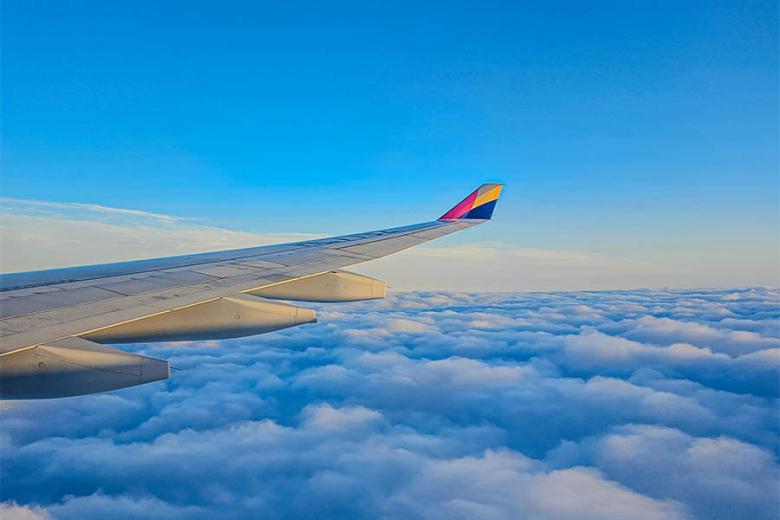
In late November, I boarded the longest flight I have ever taken. I travelled from London Heathrow direct to Seoul, South Korea, with Asiana Airlines. It was a staggering 14 hours and 45 minutes! It was comfortable enough on the A350, although I found the range of TV and movies a little limited. The food was tasty, but I wouldn’t say it was plentiful. So, my advice would be to download some movies, take a good book, and load up with snacks at the airport.
South Korea in November
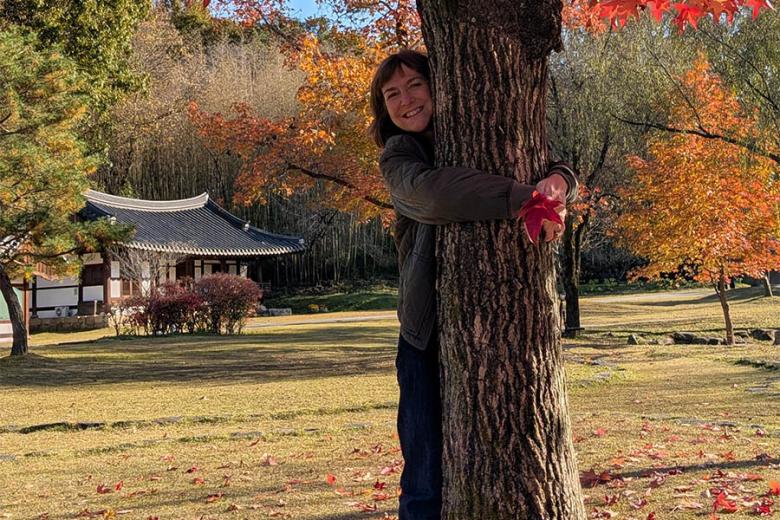
I visited South Korea in November, which struck me as the perfect time to be there. The autumn foliage was in full, riotous colour, the weather was mild, and the sun shone throughout the entire trip. Winters in Korea are dry and bright, so the sky was a deep, brilliant blue.
Whilst November is not high season for international tourism, it is a popular time for domestic tourism, so many locals were travelling and enjoying the sunshine. It is worth noting, though, that whilst always sunny, the temperatures varied wildly from a balmy 18 degrees in the south to a teeth-chattering -8 degrees on our last night in Seoul.
My one week South Korea itinerary
The itinerary I followed wasn’t the “beaten path” of South Korea - Seoul, Gyeongju, Busan and Jeju. Instead, I worked my way down the western side of the country, visiting authentic villages, spectacular temples, and delicious restaurants along the way.
South Korea is not a big country. The journey from top to bottom is about the same distance as travelling from Leeds to Brighton. So, with a bit of careful planning, it’s a country which can be easily discovered and explored in a week, without feeling rushed.
Soaking up the atmosphere in Seoul
I arrived late at night in Seoul, a city packed with character, culture, and style. I stayed in the vibrant (and slightly crazy) district of Hongdae, home to students, 24-hour karaoke bars, photo booths, and, of course, K-pop. Dominated by youth culture, this is a fabulous base for exploring the city.
This part of town never sleeps, so strolling the streets in the evening, we heard music escaping from the many bars, watched cool kids filming content for their socials under the neon lights, and stumbled into wannabe K-pop stars performing complex dance routines in the traffic-free zones, to the encouragement of supportive onlookers.
Learning about traditional culture in Jeonju
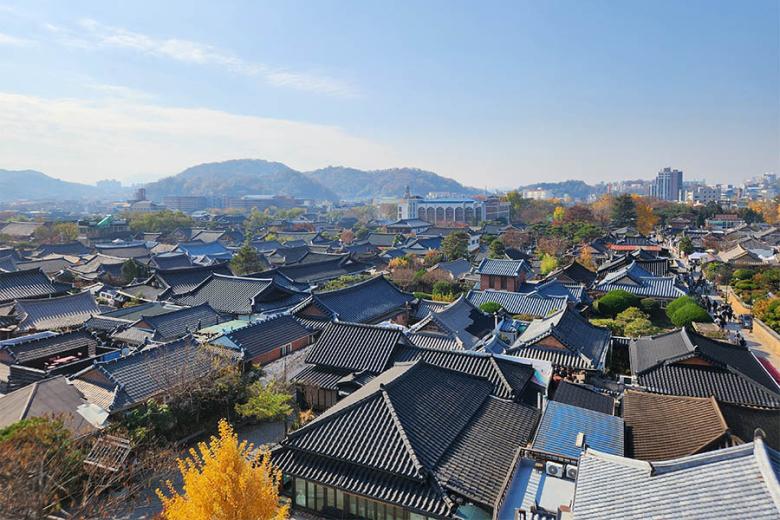
From Seoul, we drove south for around three hours to the city of Jeonju, where we visited one of South Korea’s many traditional Hanok villages. This is a ‘living museum’ in the heart of the city, with over 800 preserved traditional Korean houses, teashops, and cultural centres.
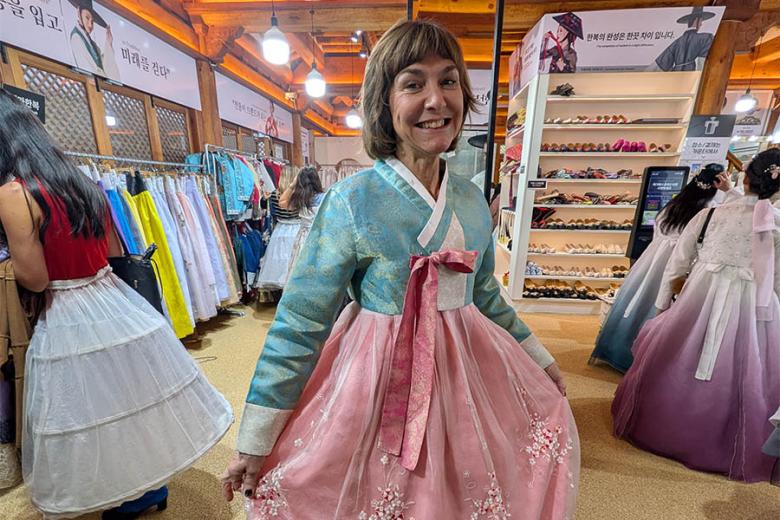
There are shrines and water features around every corner, and fabulous views from the hilltop viewpoint. The village offers a great insight into the traditional and historic way of life. You’ll find visitors strolling through the pretty streets, often dressed in traditional clothing, which you can hire from the many popular dress-up shops.
Going south to Gwangju
From Jeonju, we continued south to the lively city of Gwangju, a hub of art, culture, and the pro-democracy movement. It’s a place of real cultural significance to South Koreans because it played a pivotal role in the 1980 democratic uprising. Since then, it’s become home to liberals, artists, and creatives. The whole place has a welcoming, bohemian atmosphere, with many contemporary art galleries and way-too-cool coffee shops.
Forest bathing in the bamboo forest
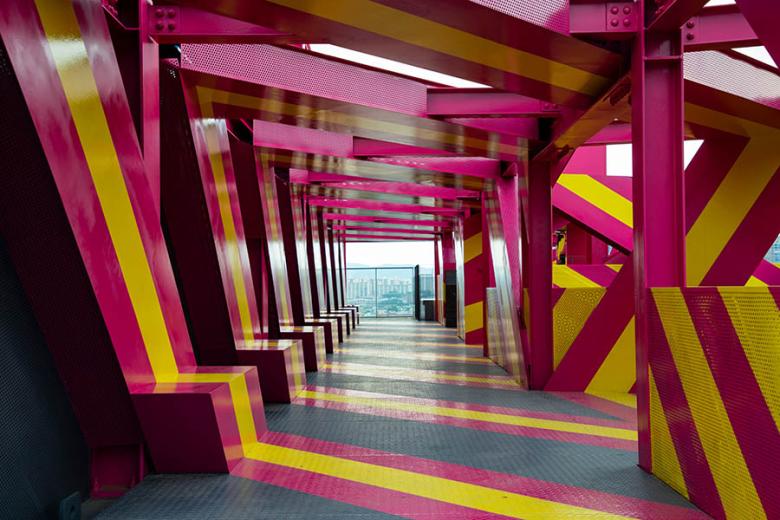
Gwangju is a fabulous base from which to explore the wider region and offers great trekking and cycling opportunities through the stunning surrounding mountains. For the more tranquil experience, we reconnected with nature in the beautiful Juknokwon Bamboo Forest, (although it is worth noting that the crowds of local tourists who visit at the weekends can somewhat disturb the peace - my advice is to go early in the morning)
Visiting the Boseong Tea Plantation
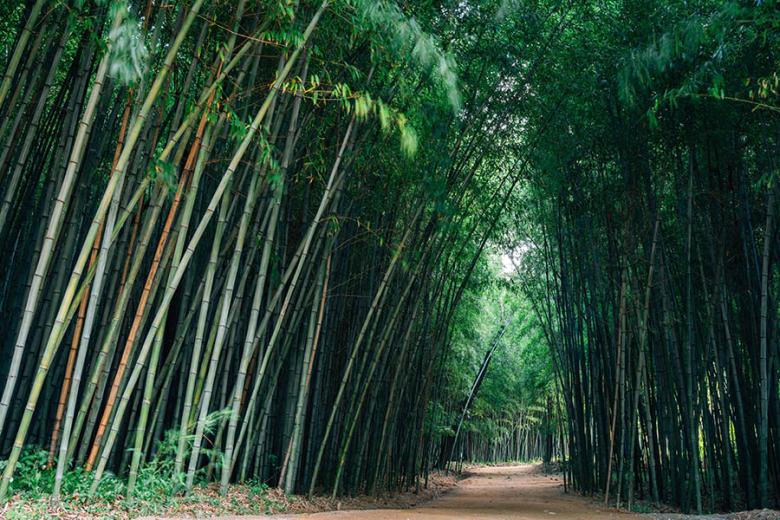
During my visit to Gwangju, I also had the chance to try matcha ice cream at the beautiful Boseong tea plantation, where the autumnal colours of the surrounding woodland were breathtaking. I only spent one night in Gwangju, but I could have happily based myself here for longer. There is so much to discover in the area.
Exploring coastal temples in Yeosu
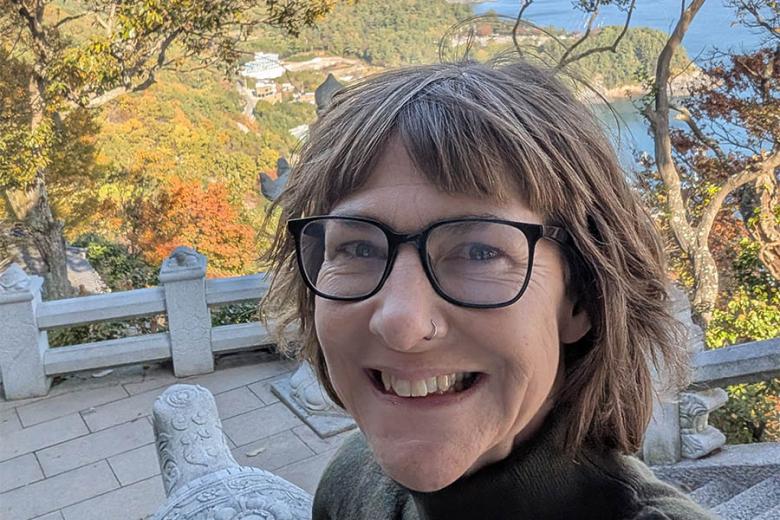
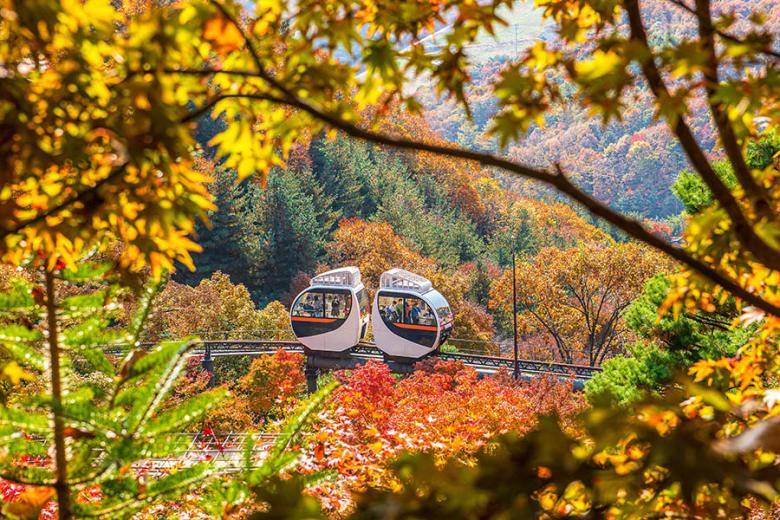
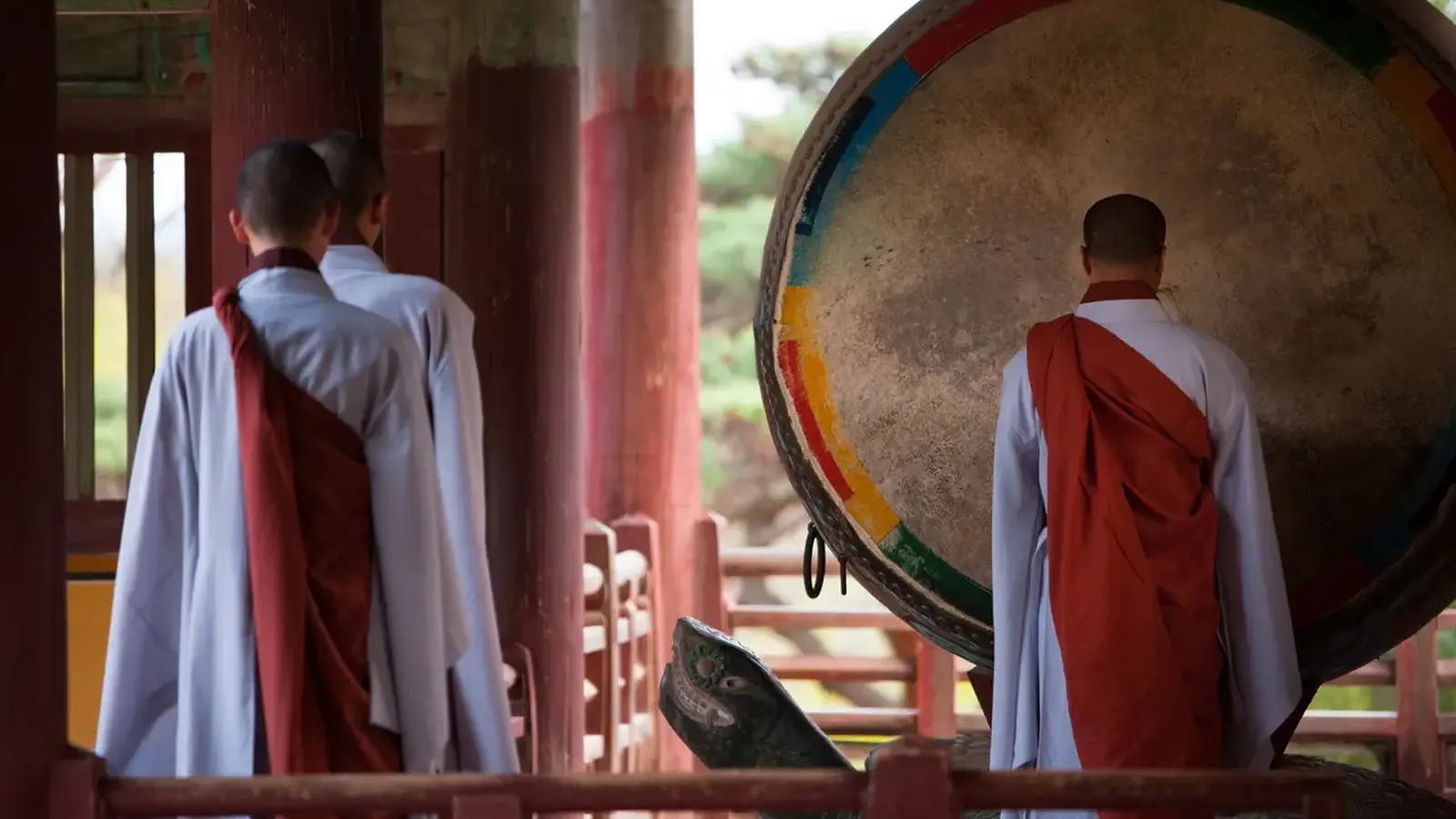
Yeosu is right in the centre of the stunning south coast, and the coastline is simply spectacular. There is loads to do down here, so be sure to add it to your itinerary! I particularly loved hiking up to the mountain-top Yeosu HeungGukSa Temple. The climb was challenging, but the views were fabulous. The tranquillity of this Buddhist temple offers the perfect spot to take it all in and reflect on the beauty around you.
The cutting edge of art
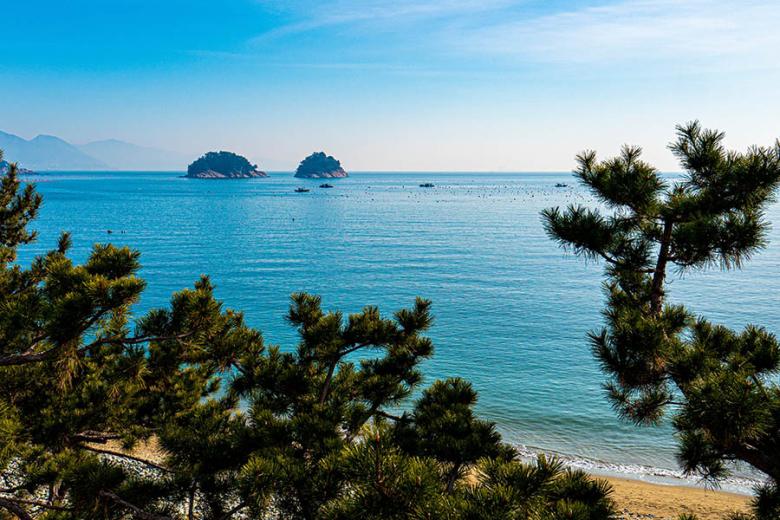
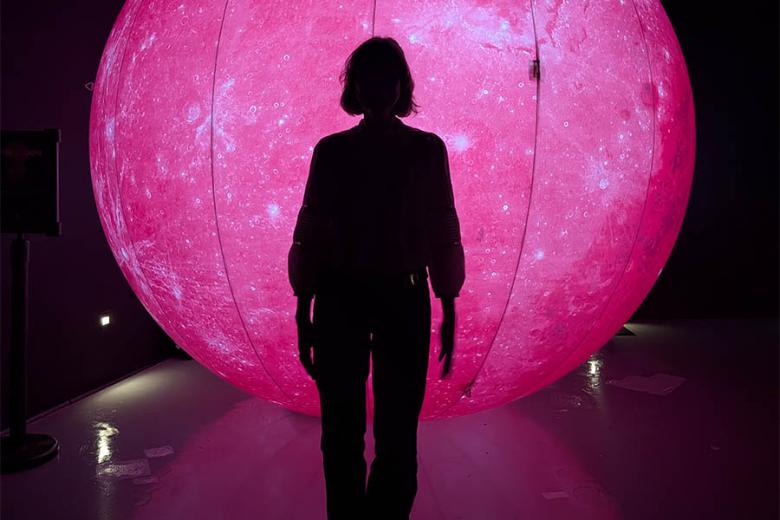
Modern art, particularly digital art, is growing in popularity across the globe, and South Korea is leading the way. If huge, interactive art installations are your thing, you’ll find masses of them to enjoy here. From the quirky and calming Lee Leenum Studio in Gwangju to the expansive and edgy Arte Museum in Yeosu, you’ll be spoilt for choice for galleries. I loved having the opportunity to indulge in a bit of pensive chin-scratching.
Eating your way around South Korea
Food is a huge part of Korean culture, and nowhere more so than in the south-west region of Gwangju and Yeosu. Bring an appetite and prepare to feast! Even Koreans are happiest when being fed by a chef from this area, and with good reason.
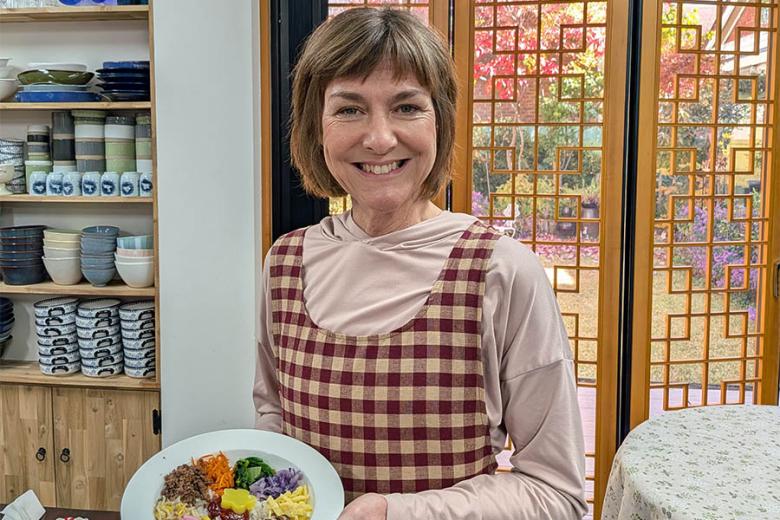
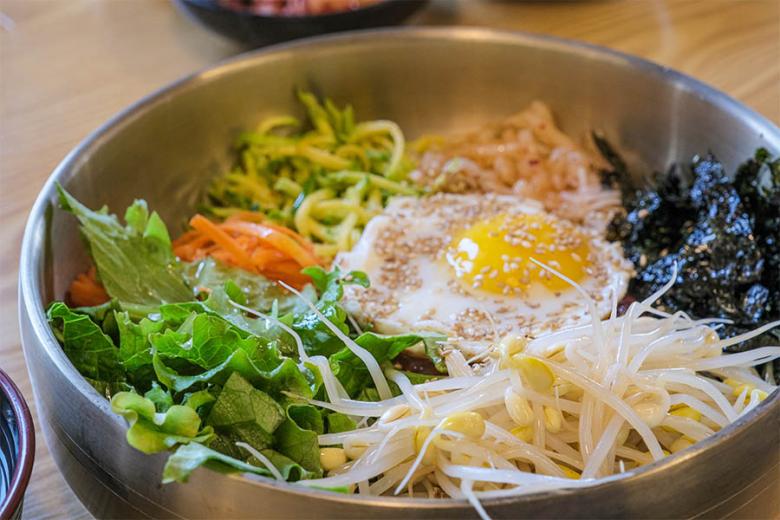
The traditional dish of South Korea is bibimbap, which has its origins in the southwest region. It is a rice bowl topped with all sorts of seasoned sautéed vegetables, marinated meat (usually beef), and a fried egg. It’s then finished with a sprinkle of sesame seeds and a generous dollop of a sweet-spicy-savoury Gochujang sauce. Portions are more generous down in the southwest than anywhere else in the country, so I recommend an elasticated waist!
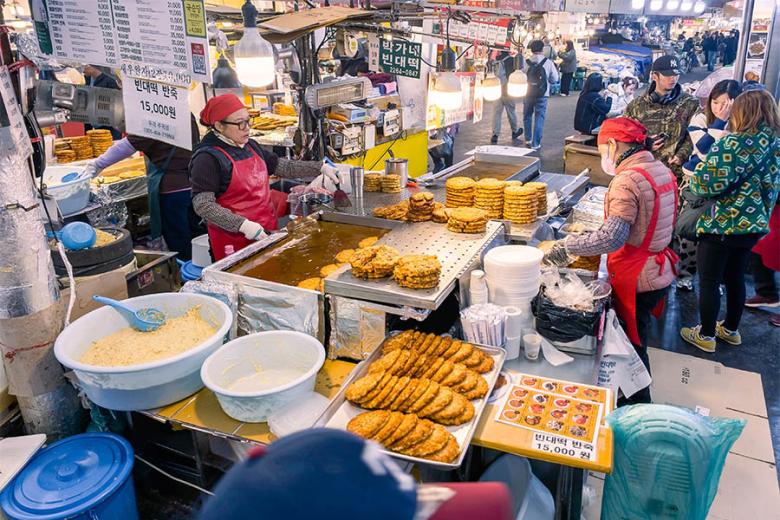
Spicy, garlicky kimchi is also a ubiquitous delight in South Korea, being prepared and sold kerbside across the country by efficient ladies. You can watch them chop, sizzle, and pickle vast quantities of veggies whilst hollering with surprising vigour at the passers-by to purchase their wares.
As we travelled around, we enjoyed many delicious soups and stews of all varieties (meat, fish and tofu), served in large crockpots in the middle of the table, surrounded by a multitude of colourful and enticing side dishes. Dining in South Korea is a very social event. It’s often noisy, always informal, and always fun.
Seafood market madness
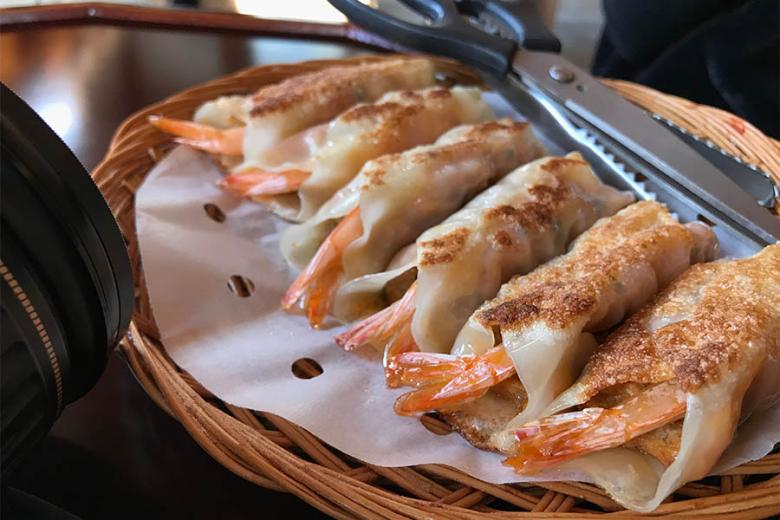
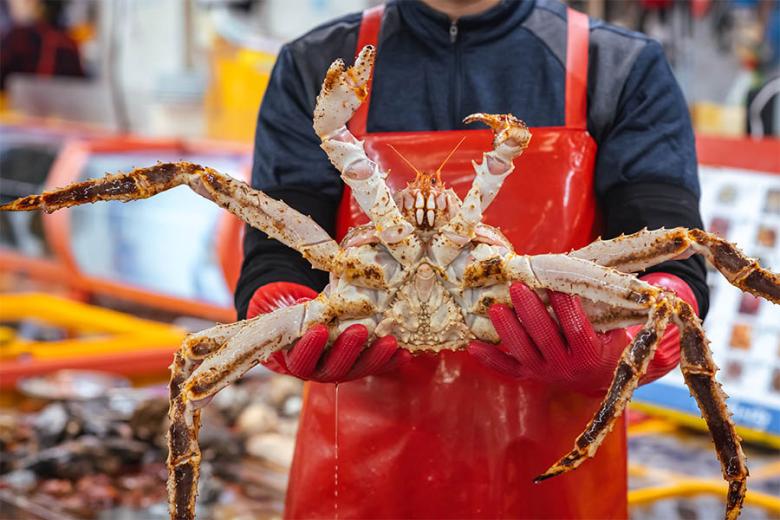
South Korea, but particularly the south-west, is renowned for its seafood, and my visit to a fish market was a surprisingly shocking highlight of the trip. On offer, there was a mind-boggling number of octopus, squid, cuttlefish, lobsters, crabs, and fish of every shape and size, along with carpet-sized rolls of dried seaweed.
Having seen more seafood in ten minutes than I had ever seen in my entire life, we were rewarded with a delicious meal. It was diverse and plentiful, served in an informal restaurant upstairs where plastic chairs and tablecloths belied the quality of the cooking. This is a recurring theme of South Korean restaurants. Often, the most delicious meals I ate were from the least impressive-looking food joints.
The beauty of Korean BBQ
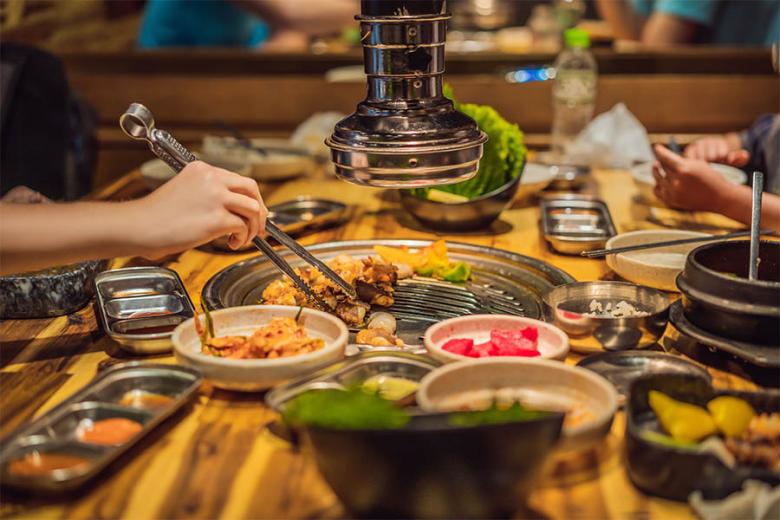
Korean BBQs are found everywhere too, and they’re a really fun way of passing a sociable evening with friends. Very popular with young and old alike, they’re a must-try while you’re in South Korea. Just don’t wear your best coat – the smell of fried food infuses everything in the restaurant! Aim for the busiest spots, and you won’t be disappointed.
KFC, but not as you know it...
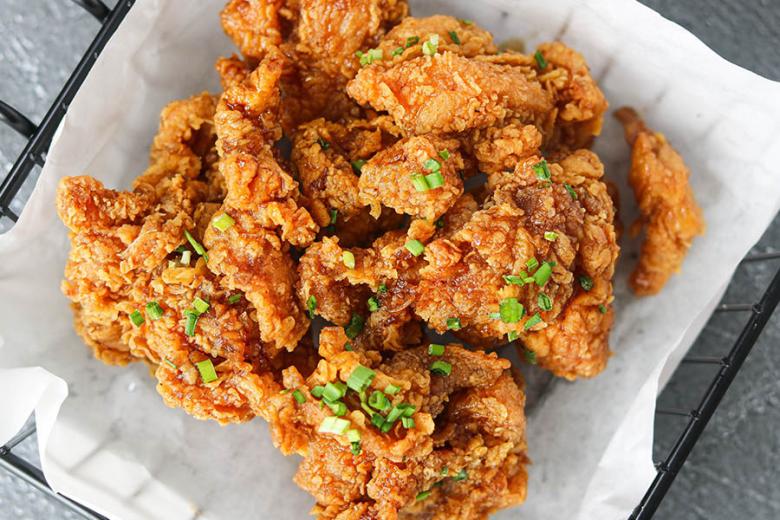
And now we need to talk about Korean Fried Chicken. KFC in South Korea is very far removed from the Western version, and there’s no Colonel in sight. It felt like a cultural experience, and oh boy, was it good. Crispy, spicy, tender… I could go on and on.
Traditionally served with a cold beer fortified with a shot or two of locally brewed Soju (a kind of Korean vodka made from pretty much anything starchy), this is a life-changing KFC. What could be better at the end of a hunger-inducing day of sightseeing?
My thoughts about South Korea
I loved it here. Everyone I met in South Korea was relaxed, warm and friendly. Tradition still dominates local life, but it felt less formal than I had expected. I felt welcomed throughout the trip, and while tourism is increasing here, it is far from over-touristy. I felt like I was really discovering a country still largely undiscovered by the masses. In places, I was even something of a novelty to the local people.
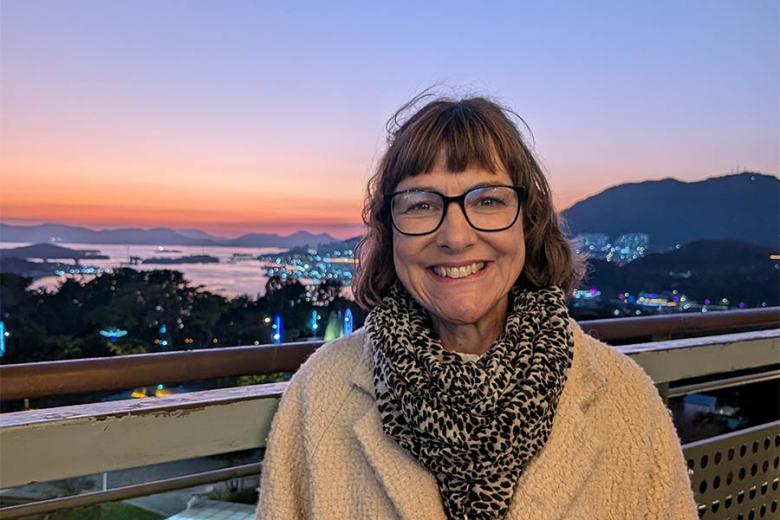
I learned so much about this quiet country and left wanting to learn more. It’s a country that just seems to work - the trains run on time, the streets are clean and safe, the shops and restaurants are reasonably priced, and the people seem happy. It is interesting, well-organised, and easy to navigate. I grew a bit – spiritually and physically! - and I can’t wait to go back.
Ready to explore South Korea?
We're experts at creating tailor-made holidays packed with thoughtful touches and local experiences. We'll help you build an unforgettable South Korea holiday that works perfectly for your timeframe and budget. To get started, give us a call on 1273 320 580 or send us an online quote request.
Exploring Shikoku: Japan off the beaten path
Liz Goodall
Sales Team Manager
at Travel Nation

Exploring the spiritual Kii Peninsula, Japan

Tracey Smith
Senior Travel Consultant
at Travel Nation

The perfect itinerary for 3 weeks in Japan
Audric Guerin
Senior Travel Consultant
at Travel Nation
About the author Liz Goodall
Sales Team Manager
At 17, Liz left England to become an au pair in Paris. Living in a new country and discovering another culture sparked a real thirst for adventure in her, so a few years later, she packed her bags and set off to travel the world. Today, she is the mother of two teenagers, but this does not prevent her from continuing to explore the rest of the world. As a family, she has travelled to Sri Lanka, Borneo and even Australia. After working for a competing agency, Liz joined Travel Nation as a travel consultant in 2007 and now manages the sales team.