My unforgettable 5-day Bhutan trip

TripBlogs
Bhutan has always fascinated me. Nestled deep within the mighty Himalayan mountain range, this enchanting kingdom is celebrated as one of the happiest countries in the world. What makes it truly unique is the government’s unwavering commitment to ensuring that every decision is guided by the happiness and mindfulness of its citizens—an inspiring and refreshing philosophy in today’s fast-paced world.
Sustainable tourism at its best
Bhutan takes a bold and admirable approach to tourism. By limiting the number of visitors allowed each day, the country preserves its rich culture and pristine environment. This sustainable model prevents mass tourism from overwhelming the nation’s delicate ecosystem.
Travellers are also required to follow a planned itinerary accompanied by a local guide—a wonderful way to immerse yourself in Bhutanese traditions while directly supporting the local economy.
Arriving in Bhutan
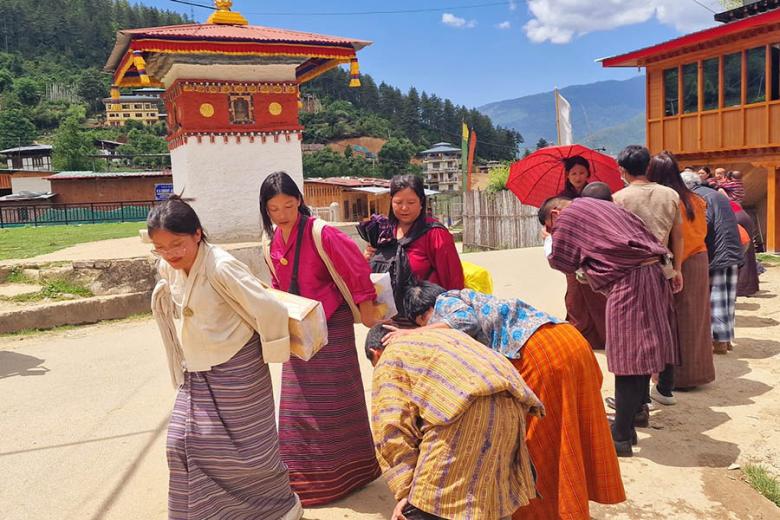
After a two-hour flight from hazy Delhi, I stepped into the crisp Bhutanese air, surrounded by snow-capped Himalayan peaks. Flying into Paro Airport is nothing short of exhilarating—the aircraft weaves gracefully between towering mountains before touching down. Only 30 Bhutanese pilots are trained to navigate this challenging route, and Druk Air, the national carrier, is the sole airline offering flights.
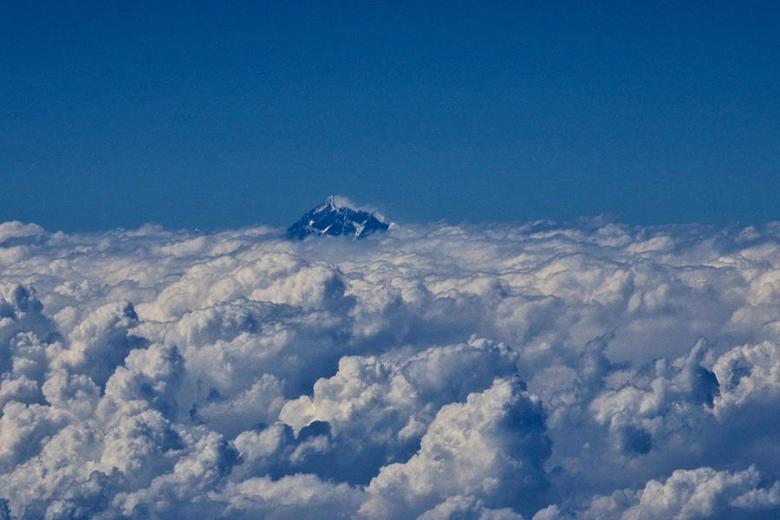
Travel Tip: If you’re flying from Delhi, book a window seat on the left side for a chance to glimpse Mount Everest on a clear day!
An unforgettable flying visit
My schedule was incredibly tight, but my four-night itinerary managed to cover all the must-see spots near Paro—and it was worth every moment. If you have more time, I strongly recommend trekking or venturing into Bhutan’s remote regions, which remain untouched and breathtaking.
Exploring Thimphu
Upon arrival, we drove to Thimphu, Bhutan’s charming capital. Unlike bustling cities, Thimphu has no traffic lights. Instead, police officers stand at intersections, directing vehicles with graceful, almost artistic gestures. The chaos and honking of Delhi suddenly felt a world away.
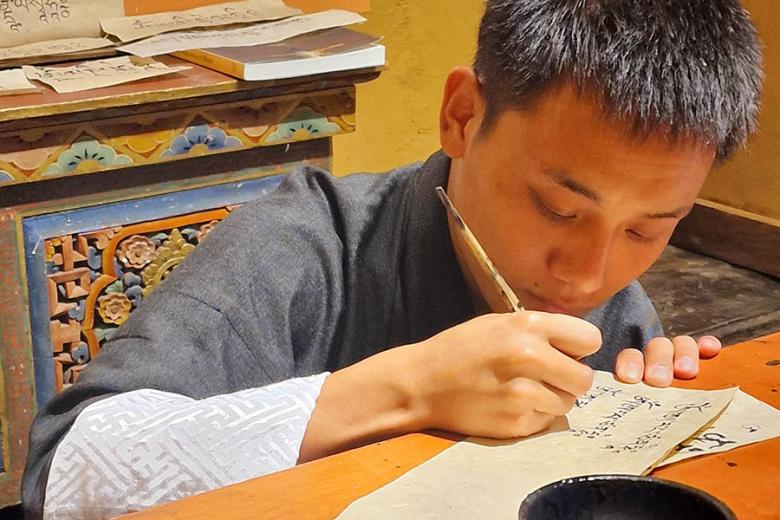
Our first stop was a remarkable charity that helps disadvantaged children learn traditional Bhutanese arts, such as wood carving, mask-making, and painting. This initiative not only provides them with a sustainable career path but also ensures that Bhutan’s cultural heritage thrives for generations to come. It was an eye-opening experience that deepened my appreciation for the country’s values.
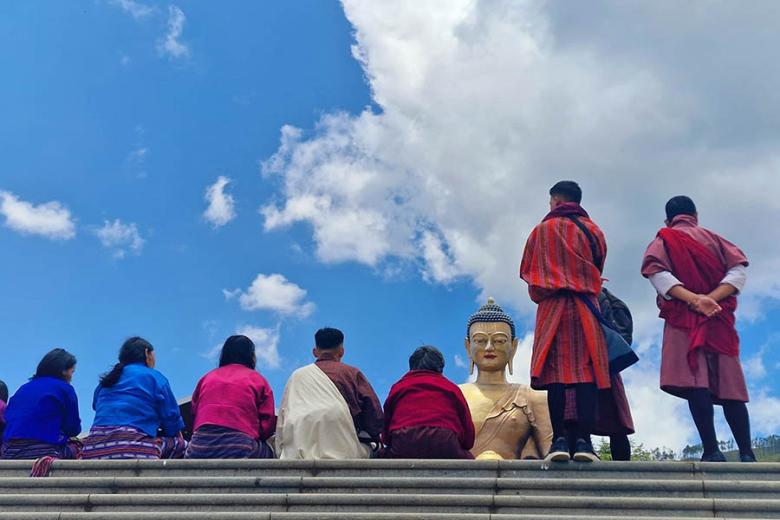
Later, we visited the central pagoda that overlooks the entire city. This spiritual hub draws worshippers from across Bhutan, who camp on the mountain and chant prayers to Buddha for weeks on end, regardless of the weather. The atmosphere was serene, and I found it very moving.
The beauty of Punakha
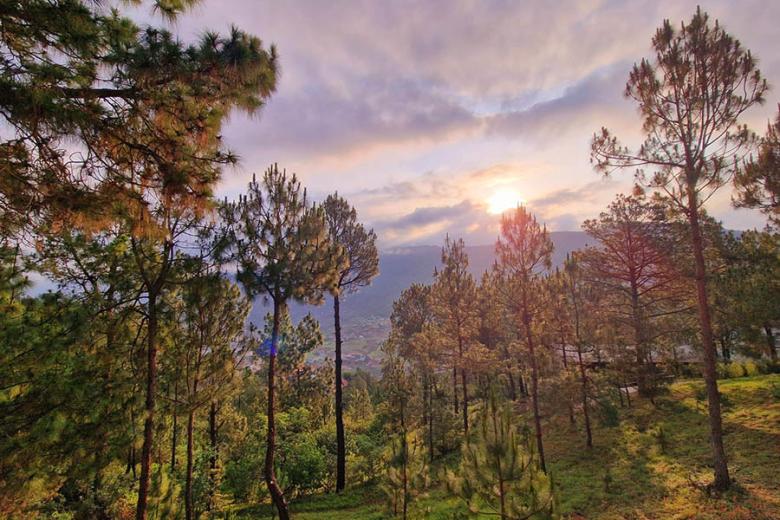
Next, we travelled two hours north by road to Punakha, a stunning valley framed by rice terraces where locals still plough the fields. It’s a breathtaking destination, and I recommend spending at least two nights here. Most accommodations are perched on the valley’s upper slopes, offering sweeping views and unforgettable sunrises and sunsets.

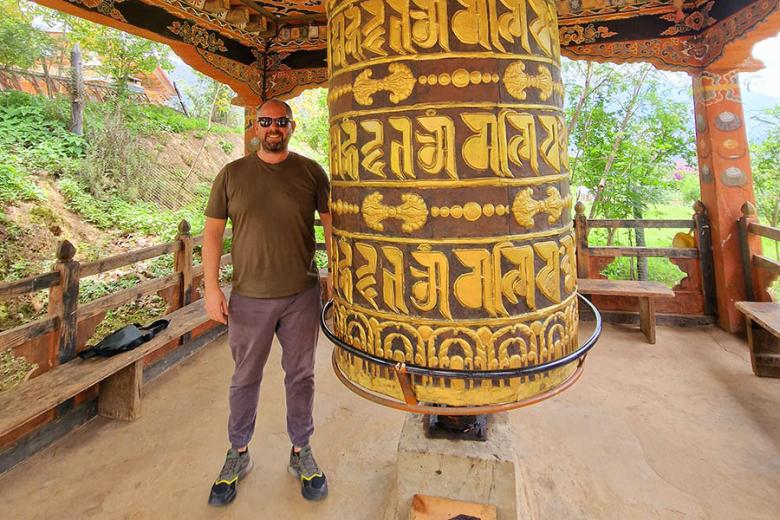
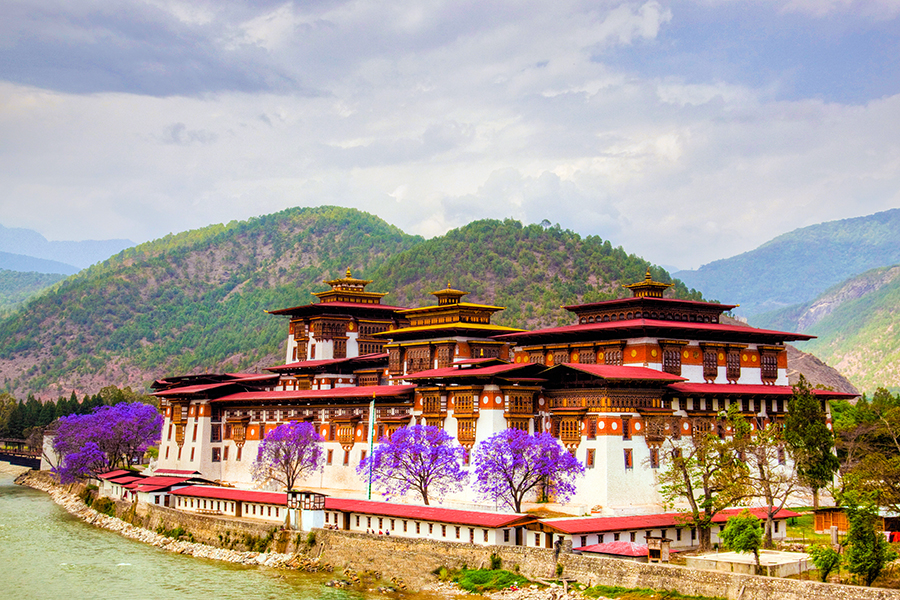
A highlight of my stay was visiting Punakha Dzong, the “Palace of Happiness,” built in the 17th century. Surrounded by rivers and forests, this tranquil site is steeped in history and Buddhist philosophy. Walking through its gardens and ornate halls felt like stepping into a sanctuary of peace. My guide explained the intricate artwork and shared insights into Buddhist teachings—an experience I will remember forever.
Visiting the Fertility Temple
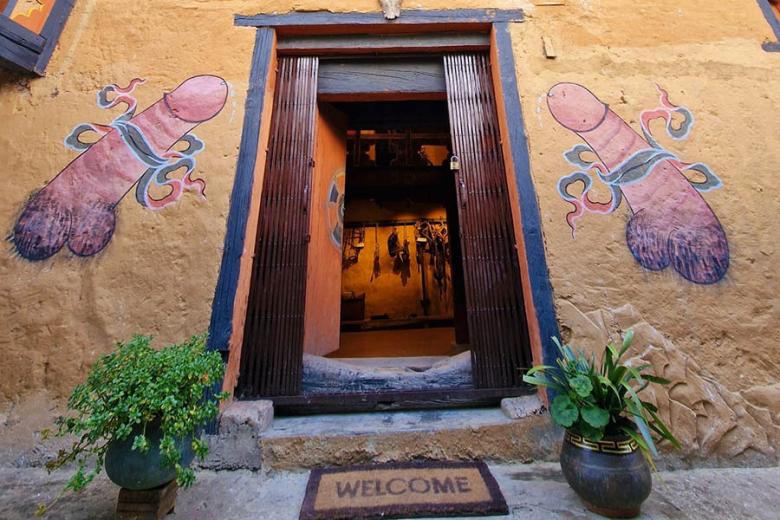
On our way back to Paro, we stopped at the Fertility Temple, located on the outskirts of a traditional village. The walk through the village was fascinating, with friendly locals harvesting rice in lush paddies. The houses and shopfronts were adorned with phallic symbols, which are believed to encourage fertility and ward off unwanted gossip.
Inside the temple, visitors can make donations or offer prayers for fertility. One unique ritual involves wearing a large wooden phallic carving on your back and walking around the temple three times. The Queen of Bhutan herself performed this ritual many times before successfully having children—a story that adds a personal touch to this sacred site.
Relaxing in Paro
Back in Paro, I stayed at the Paro Sanctuary Resort, nestled in a quiet valley overlooking clusters of villages and a distant monastery. It was the perfect retreat to conclude my journey. The resort offers exceptional spa treatments, including a complimentary massage each day—a luxurious way to unwind after a day of sightseeing.
Trekking to the Tiger’s Nest
No trip to Bhutan is complete without hiking to Tiger’s Nest Monastery, perched dramatically on a cliffside. The name originates from the legend of Guru Rinpoche, who meditated here after arriving on the back of a tiger. If you’ve seen photos of Bhutan, chances are this iconic monastery was featured.
The 2.5-hour hike was challenging yet immensely rewarding, with panoramic views at every turn. The ascent is gradual, with more steps as you near the summit, but the effort is worth it.
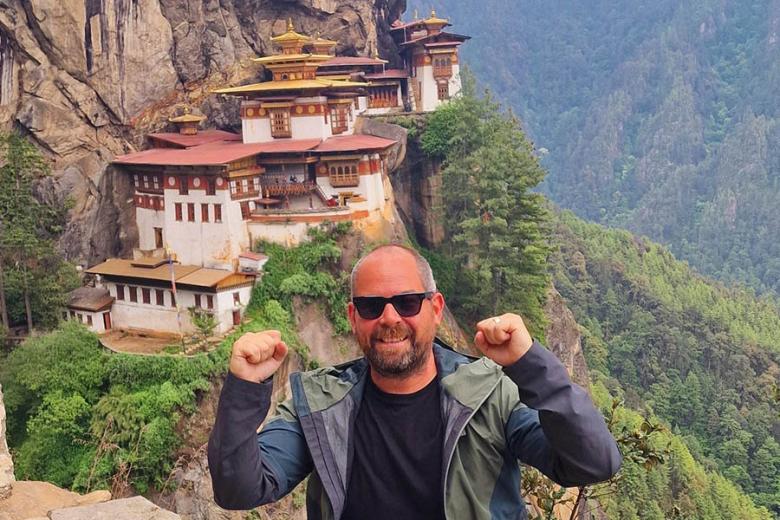
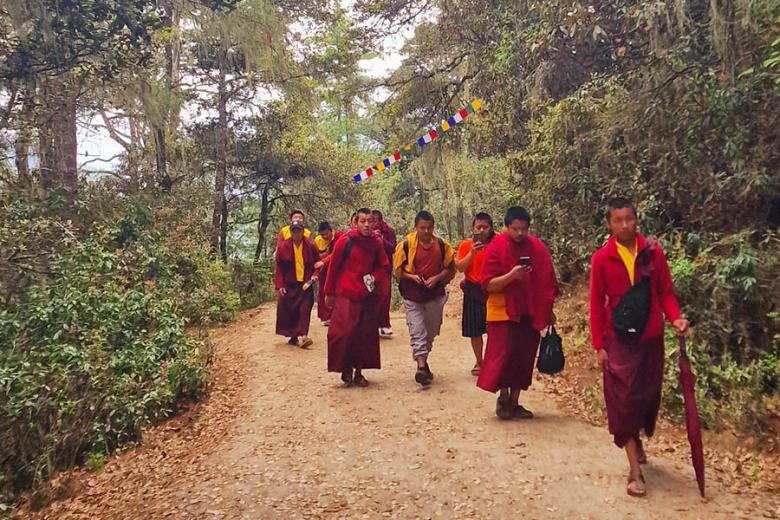
At the monastery, my guide explained the exquisite Buddhist artwork, and I was lucky enough to watch the monks chanting their morning prayers—a magical moment etched in my memory. The descent took just an hour, leaving me plenty of time to relax and enjoy the complimentary spa treatment back at the hotel. It was the perfect ending to an unforgettable day.
Final thoughts about Bhutan
Bhutan is a rare gem—tranquil, unspoiled, and deeply rooted in its ancient culture. Its breathtaking landscapes, warm-hearted locals, and spiritual essence left me feeling more centred and at peace. If you love hiking, stunning scenery, and Buddhist traditions, Bhutan should be at the very top of your travel list. I’d return in a heartbeat.
Ready to explore Bhutan?
We're experts at creating incredible multi-destination trips to Bhutan and beyond. We'll listen carefully and build you a holiday packed with personal touches and unforgettable moments. To get started, give us a call on 1273 320 580 or send us a quote request by email.


When is the best time to visit Bhutan?
Gray Baker
Senior Travel Consultant
at Travel Nation
7 reasons to travel to Bhutan in the heart of the Himalayas
David Taylor
Senior Travel Consultant
at Travel Nation
Visit Bhutan: discover its hidden treasures in a week
Gray Baker
Senior Travel Consultant
at Travel Nation
About the author David Taylor
Senior Travel Consultant
David has travelled far and wide using his passion for photography to chronicle his many journeys, including lemurs in Madagascar, glaciers in Iceland, wild gorillas in Rwanda and stupas in Myanmar. He is an experienced traveller and understands how to combine off-the-beaten-track experiences with comfortable touring, to create a trip of a lifetime. With more than 15 years of industry experience, he has worked in travel in both the UK and Australia. David joined Travel Nation in 2012 as a round the world specialist.