My India tiger safari and Kerala trip

TripBlogs
I’ve always had a soft spot for India, as it was the very first country I explored on my round the world backpacking trip when I was just 19 years old. I’ve always loved the country’s vibrant, non-stop energy and the way it makes you feel so alive.
When the opportunity arose for me to revisit India, I couldn’t resist the chance to experience a handful of exciting destinations that I hadn’t previously reached on my earlier trips.
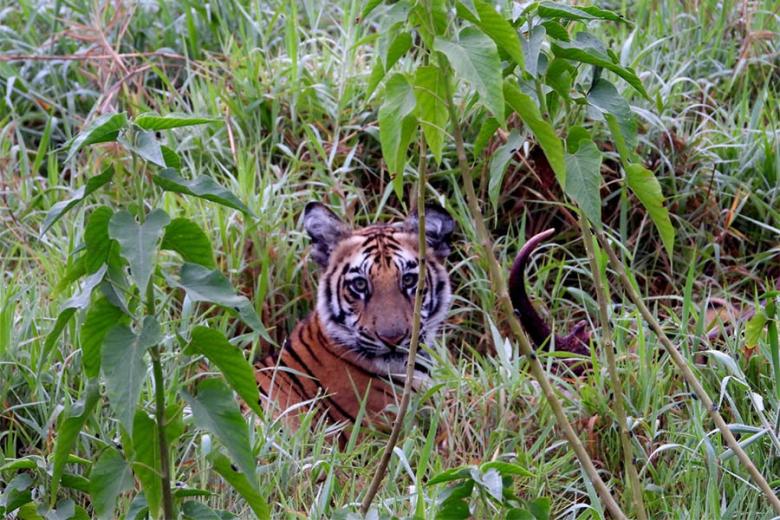
My itinerary for this adventure included Kerala, covering Cochin, Munnar, Kumarakom, and an overnight stay on the famous backwaters—an unforgettable experience and a true highlight of visiting this part of India. After exploring Kerala, I flew to central India and spent four nights on safari across two national parks, before finishing my journey with one night in Delhi.
Exploring Cochin
Cochin is the capital of Kerala and home to around two million people, making it a lively and bustling southern Indian seaport. It’s a fascinating place with a wonderful atmosphere and great local food.
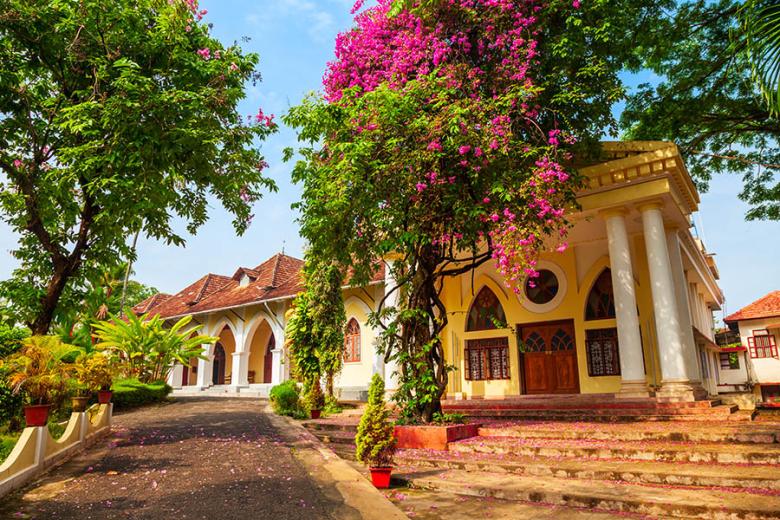
I stayed in Fort Cochin, which I highly recommend. It’s a beautifully relaxed area filled with boutique resorts, which is perfect for unwinding for a few days. There are plenty of cafés, restaurants, and art galleries, and the welcoming, laid-back atmosphere makes it an ideal place to spend a few days either on arrival or before flying home.
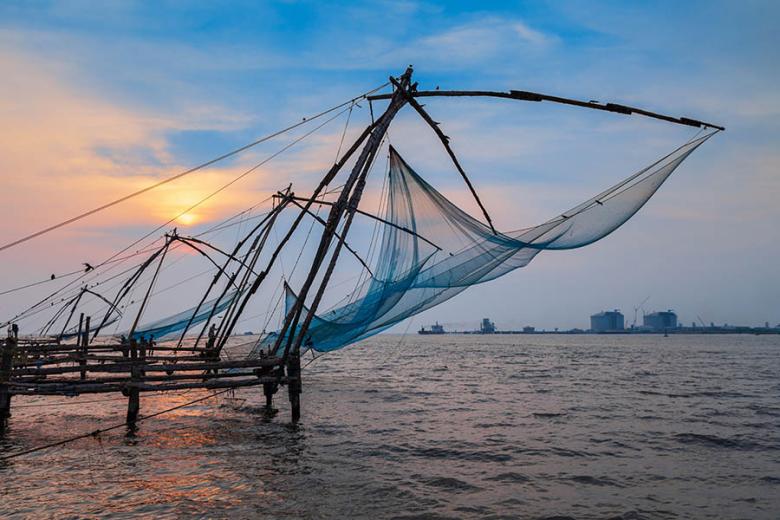
Fort Cochin is easy to explore on foot, but I recommend booking a half day orientation walk with a local guide, who will point out the main sights and help you get your bearings. You’ll find large banyan trees on many street corners, providing plenty of shade while you stroll around. These trees were planted by the Portuguese when Kerala was a colony.
We can also arrange a local Cochin tour that begins at 5 am, taking you through the fishing village to experience local life before the day's heat. If you prefer not to walk, our colleagues can organise a Fort Cochin tour in a heritage Indian Ambassador vehicle—a fantastic and nostalgic experience.
Taking a local cooking class
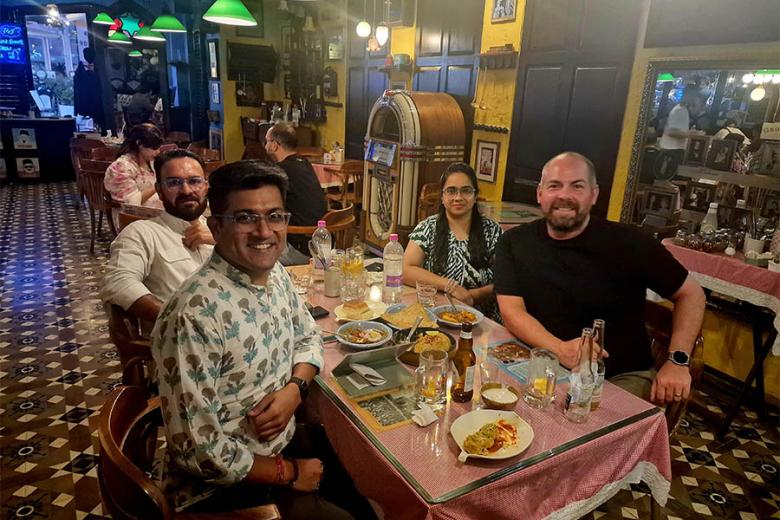
While in Fort Cochin, I took part in Francis’s Indian cooking class. This was a wonderful experience that introduced me to Kerala’s distinctive dishes, which taste so different from the northern Indian curries that many of us know and love. It’s perfect for anyone who enjoys cooking and eating Indian food.
Francis guided me through the cooking process and explained how to use various spices to bring out the best flavours in the dish. The tour was private, so I could ask as many questions as I liked, and it ended with a delicious meal in the family home.
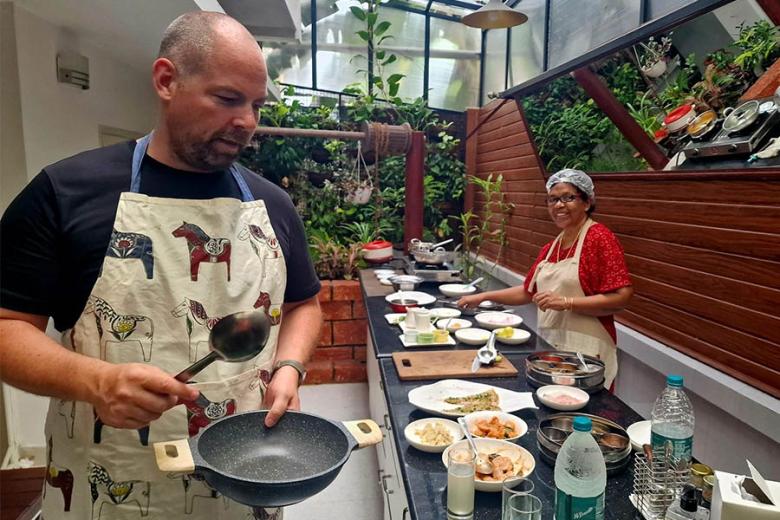
This class is a lovely, personal way to connect with the local culture, so don’t miss it if you’re in Fort Cochin! It was such a memorable – and mouth-watering – experience. I will definitely be investing in a Kerala cookbook to add to my collection of ten Indian cookbooks when I return home.


Driving into the mountains of Munnar
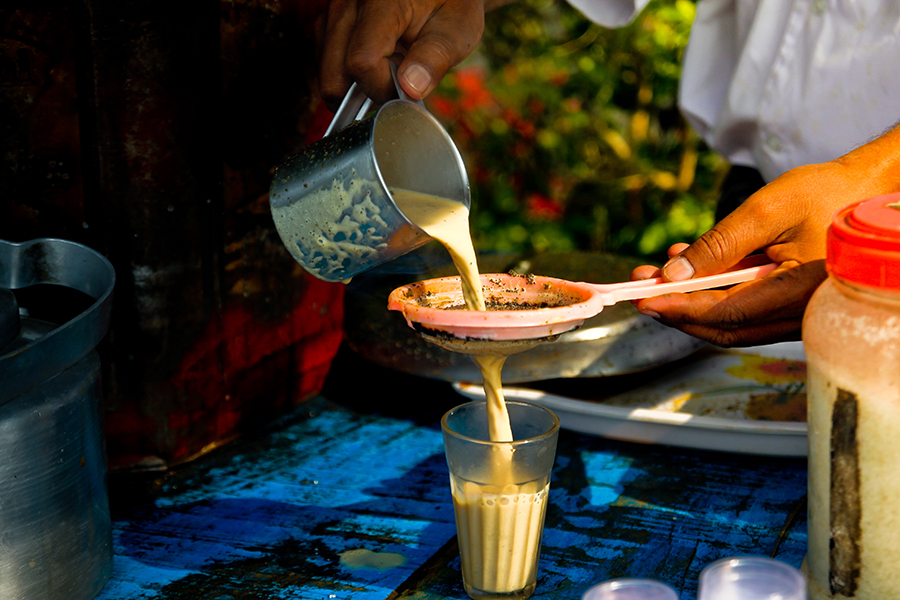
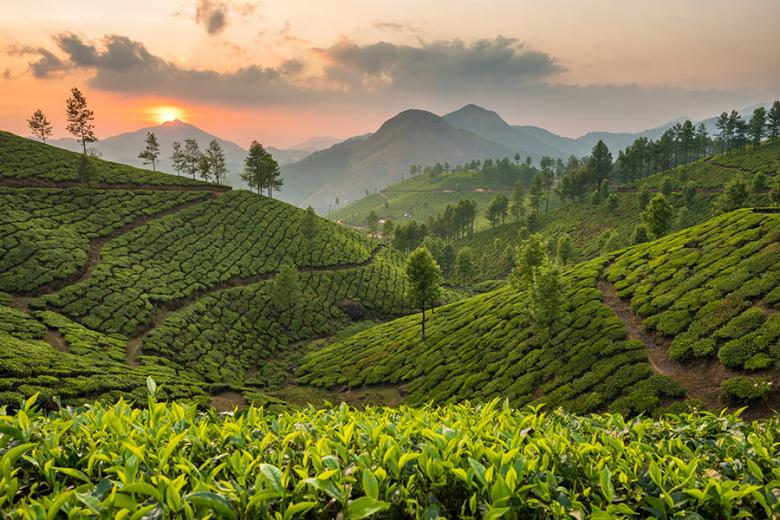
After leaving Cochin, I travelled four hours inland to Munnar, home of Kerala’s tea plantations. Munnar is a mountainous region with rolling green landscapes, sweeping tea plantations and local workers picking tea. The stunning scenery is enhanced by towering eucalyptus trees swaying in the wind, creating a wonderfully atmospheric setting.
Picking tea with the locals in Munnar
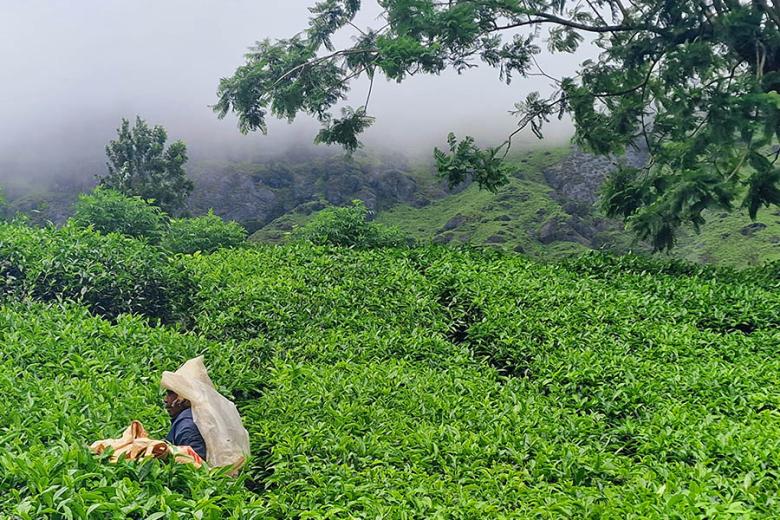
While in Munnar, I joined the local women picking tea, which is much harder than it looks! I quickly learned I wasn’t very skilled at it, so I’ll definitely stick to my job in travel!
I also visited the tea factory, where I was shown the tea processing stages and had the chance to sample a range of local teas. The tea plantations are the lifeblood of this region, and spending time with the locals provided a fascinating insight into their daily lives.
Make time for Munnar
I recommend spending two to three nights in Munnar, rather than rushing through. It’s an excellent place to unwind, especially if you want a break from the coastal heat during the summer months. We can arrange a variety of excursions, including light or more challenging treks, cycling tours, nature and birdlife walks, and even overnight glamping options outside Munnar for stargazing. There is so much to see and do beyond the breathtaking scenery and tea estates.
Kumarakom
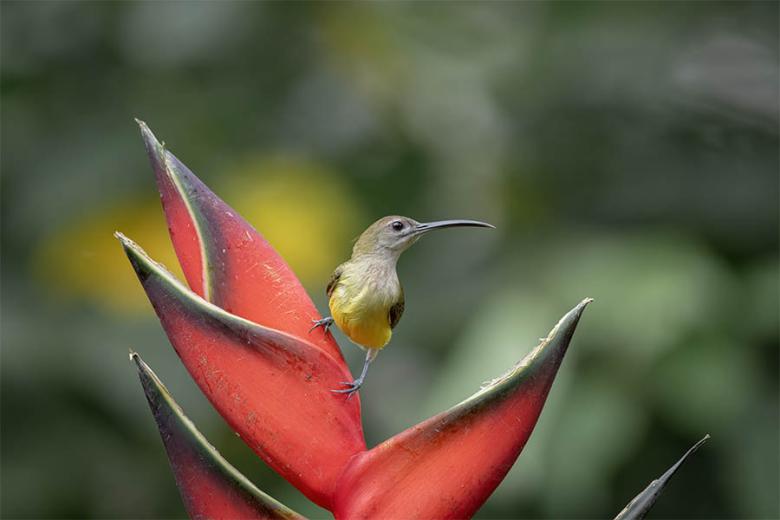
Kumarakom is located about an hour from the backwaters and offers wonderful resort options for a relaxing three or four-night stay along the river (though there are no beaches in this area). This is an ideal choice if you prefer to unwind in a resort and take day tours to explore, rather than staying overnight on a houseboat.
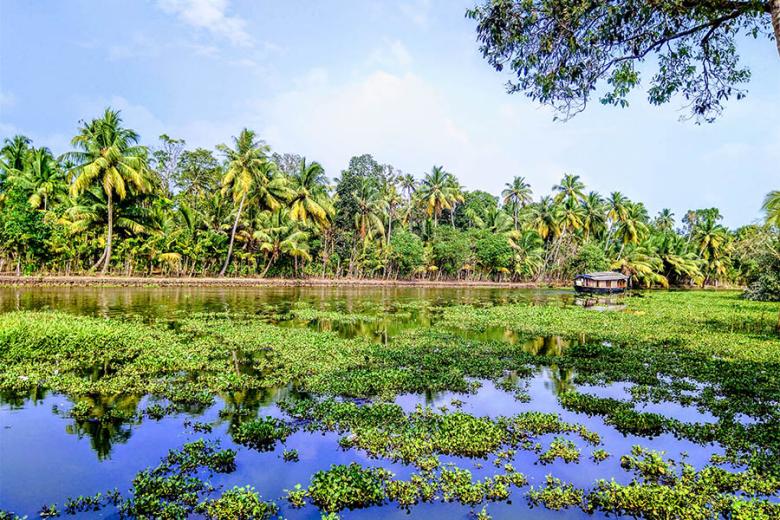
There are many excellent four and five star resorts offering all kinds of ayurvedic treatments, a must try while visiting Kerala. If you don’t want to travel four hours further down the coast to reach Kerala’s beach resorts and you don’t mind skipping the beach altogether, Kumarakom is the perfect place to end your trip to Kerala.
Staying aboard a backwater houseboat
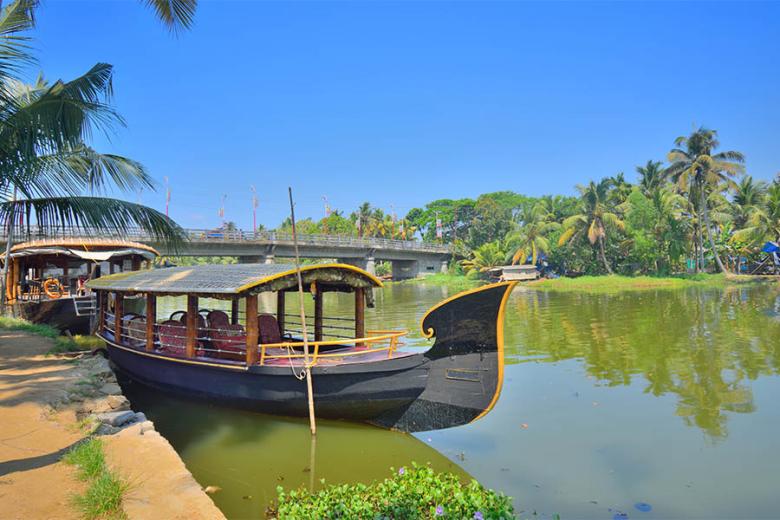
Experiencing an overnight stay on a backwater houseboat was truly unforgettable. It’s something that I’ve wanted to do for years, so I was thrilled to finally enjoy this iconic Indian experience.
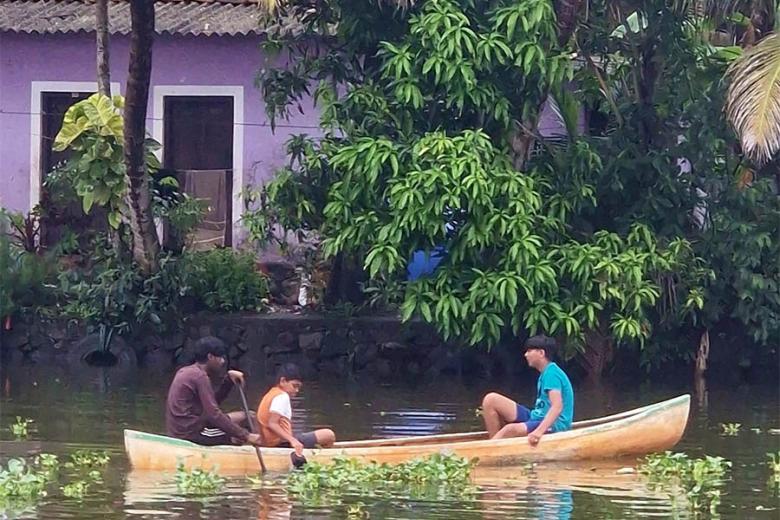
The journey began with a gentle glide through Kerala’s lush backwaters, watching village life unfold along the riverbanks. It was a wonderfully peaceful way to experience everyday living in Kerala. The cruise lasted around five hours before the boat returned to the dock to stay overnight, and I was collected by a transfer the following morning.
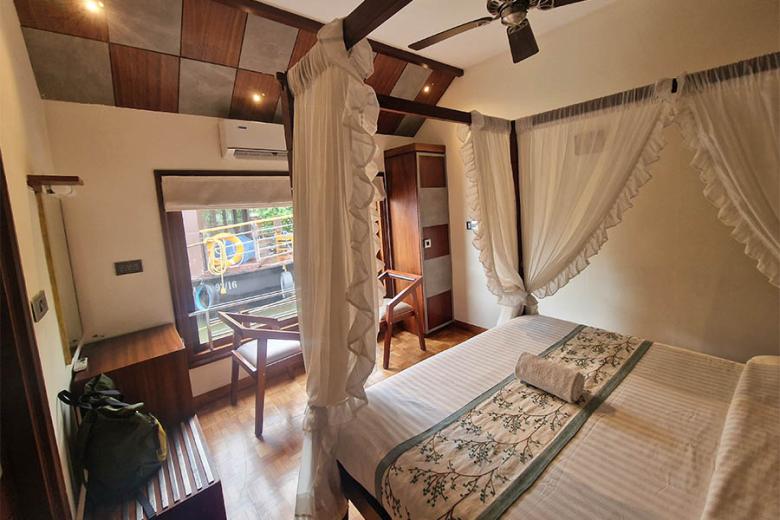
The Kerala houseboat experience. The boat trip included a delicious lunch, dinner, and breakfast in traditional Indian style. I most definitely left the boat feeling a little heavier after enjoying all the wonderful food! Boats vary in size, from two-bedroom to seven-bedroom options, making them suitable for families of all sizes, and you’ll have your own private boat for the 24-hour experience.
If you prefer not to stay overnight aboard a houseboat, we can arrange a day cruise alternative. However, the overnight experience is truly special and provides a lovely change from staying exclusively in hotels or resorts during your trip.
My first central India safari
After six beautiful days in Kerala, I flew north via Bangalore to Nagpur to begin my wildlife safari adventure. First, I explored Umred Karhandla Wildlife Sanctuary and Tadoba Andhari Tiger Reserve, staying at the beautiful Bamboo Forest Nature Conservancy.
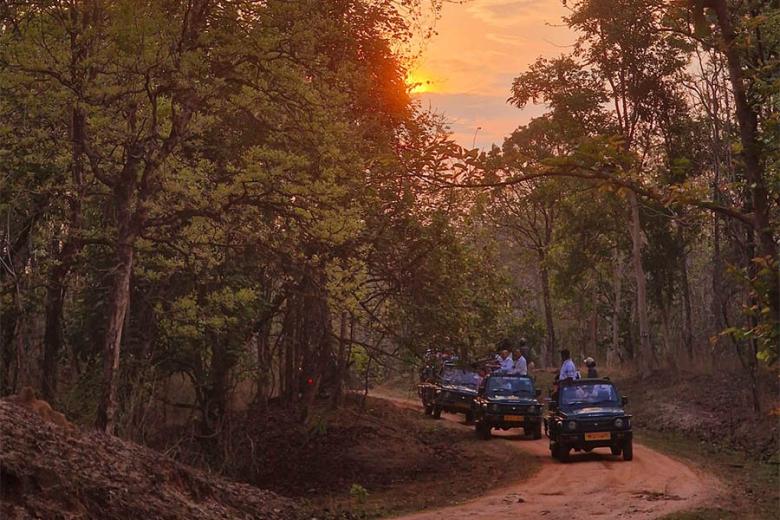
Umred Karhandla spans 180 square kilometres, divided between the Nagpur and Bhandara forest divisions, with the Maru River flowing through the sanctuary and merging into the Vainganga River near Bhiwapur. The eastern region, along the Pauni-Nilaj road, covers around 150 square kilometres of dense forest and is connected to the Tadoba Andhari Tiger Reserve, forming part of an important wildlife corridor.


Staying at Bamboo Forest Nature Conservancy
The Bamboo Forest Nature Conservancy is a lovely, small 10-tented stilted lodge, and you arrive through bamboo gardens. The entire property has been beautifully integrated into the natural landscape, which backs onto the national park.
As the lodge is located on the edge of the national park, it is unfenced, so the wildlife roams freely through the property. For this reason, guests are always accompanied to and from their accommodation, both during the day and at night.
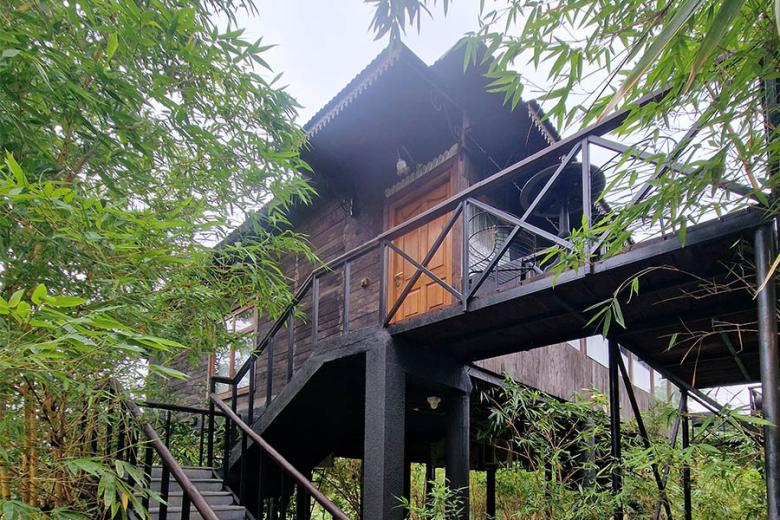
The rooms are built on stilts, allowing animals — including tigers — to move underneath. I was told that one tiger particularly enjoys sitting directly under my room. I wasn’t sure whether to laugh or cry!
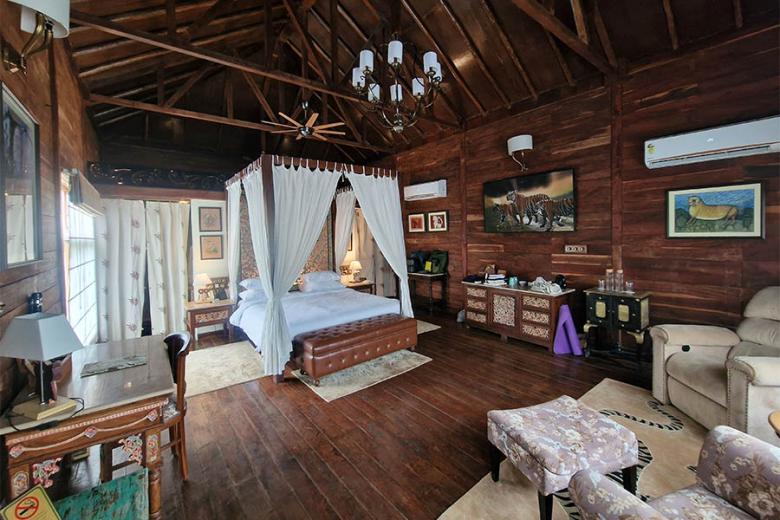
The accommodation is spacious and thoughtfully designed, featuring a four-poster bed and a large bathroom with both a bath and a shower, overlooking the green fields. The design has a rustic yet four-star traditional feel, with local art on the walls. There is also an Ayurvedic centre on site, allowing guests to enjoy massage treatments alongside their wildlife experience.
The lodge employs only local people and local safari guides, providing important job opportunities for families affected by the dam built less than ten years ago, which sadly displaced many homes and livelihoods. In addition to safaris, the lodge offers various local tours to nearby communities, so there are lots of activities beyond wildlife viewing.
My safari experience at Umred Karhandla
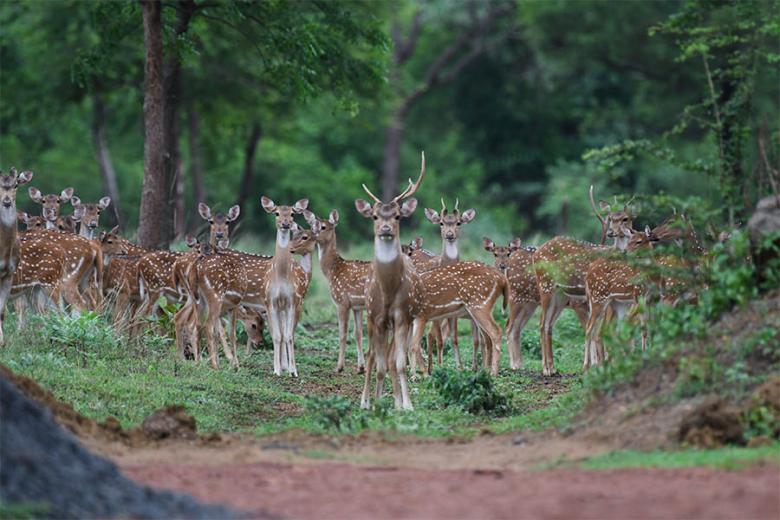
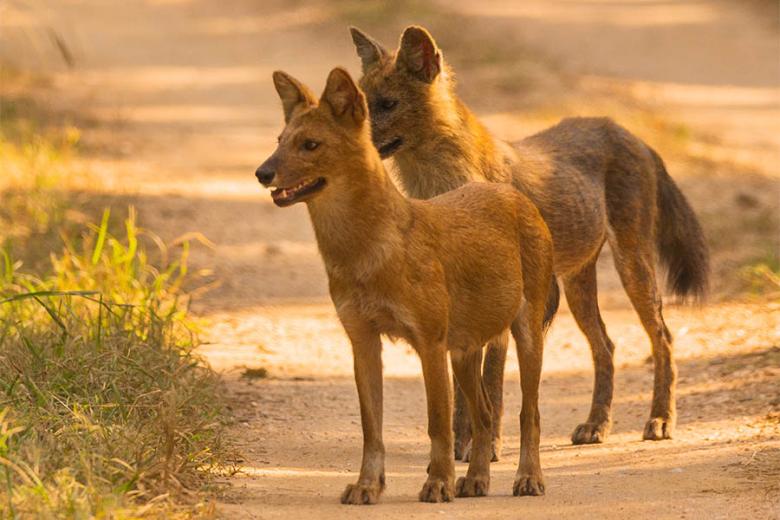
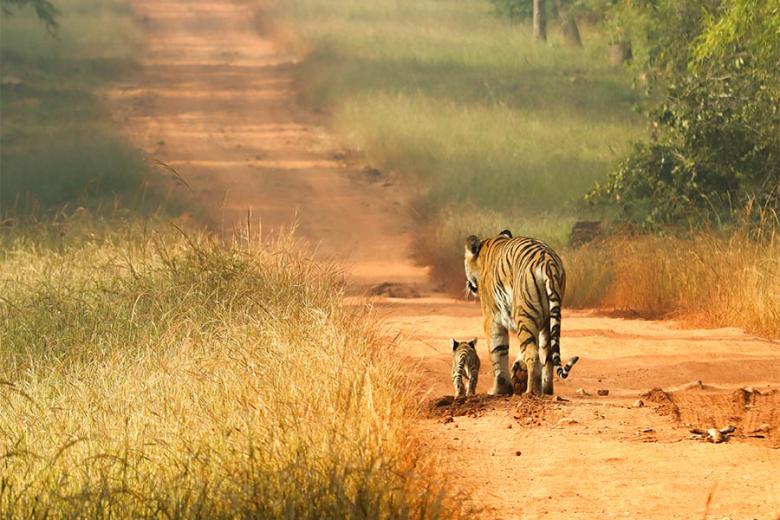
I had previously visited Ranthambore National Park, but the experience at Umred Karhandla Wildlife Sanctuary was even more impressive. Within just a few hours, I witnessed a tigress hunting for food and saw three of her cubs feeding separately on a previous kill. I also spotted wild dogs and plenty of birdlife, including several species from the Kingfisher family.
Exploring Pench National Park
My next stop was Pench National Park, around a three hour drive from Bamboo Forest Nature Conservancy. The park lies within the Seoni and Chhindwara districts of Madhya Pradesh and borders Maharashtra state.
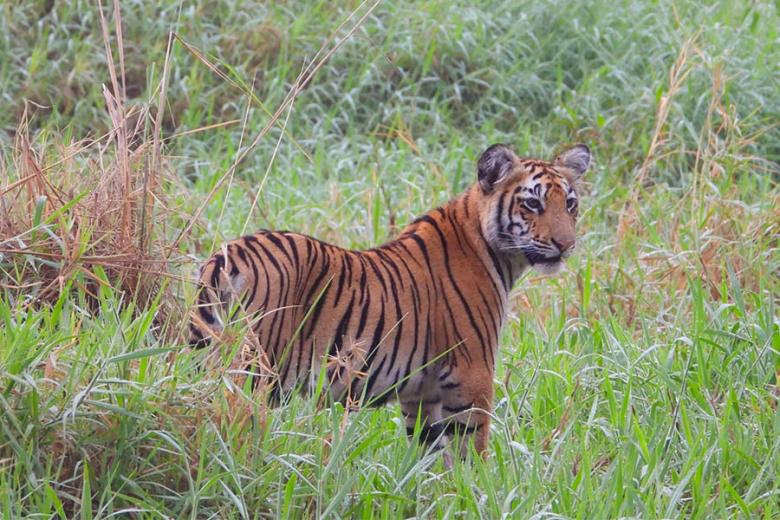
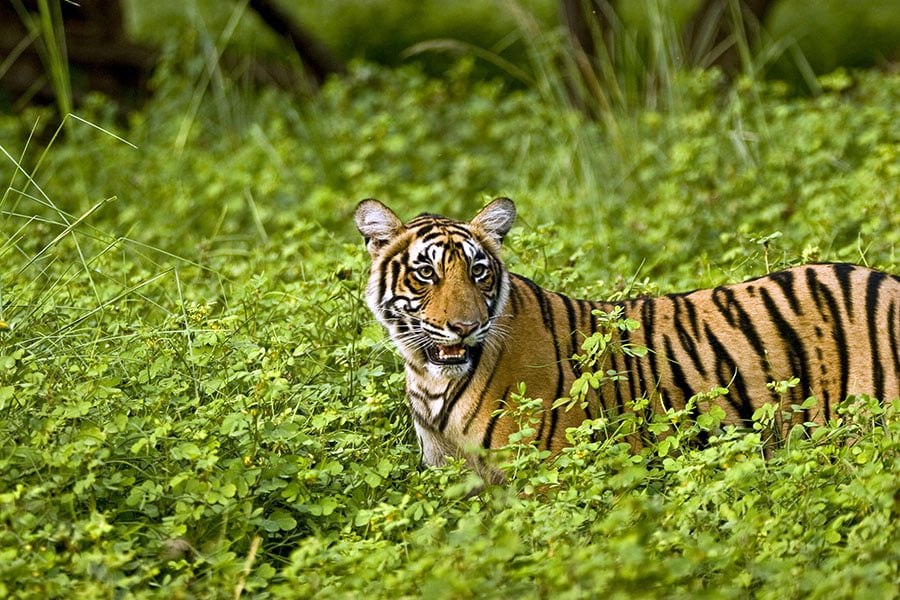
During my two safari outings, I spotted tigers, leopards, wild dogs, and abundant birdlife, making it a wonderful opportunity to explore even more of central India. I saw more wildlife in Pench National Park than I could have imagined.
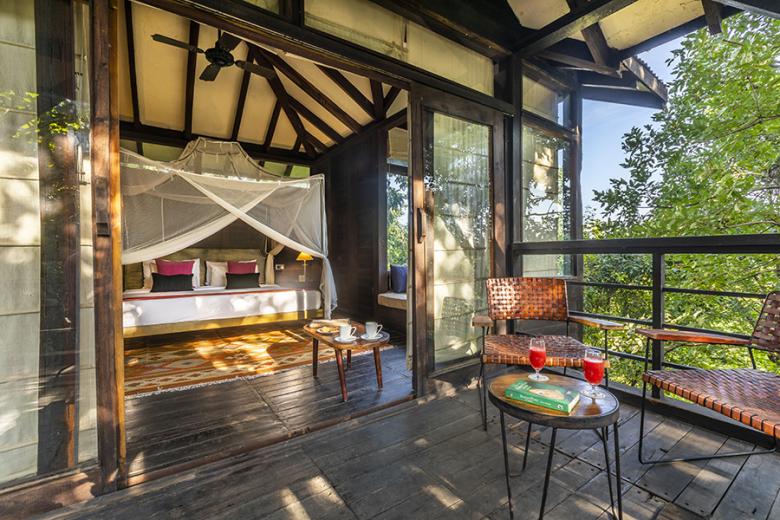
I stayed at Pench Tree Lodge, which was simply fantastic. The accommodation includes cottages for larger families, but for couples, I highly recommend the beautifully designed treehouses. It was lovely to sit outside in the afternoon between game drives, reading a book while listening to birds singing in the trees.
Be sure to bring a proper camera
India has recently introduced a total ban on mobile phone use during safari experiences in this area, which means that you can’t use the camera on your phone. This is to prevent disruptive behaviour and unwanted noise that may disturb the animals. If you plan to set off on a tiger safari in central India, be sure to bring a proper camera, so you that you can capture your wildlife experiences on the go.

Exploring Delhi
After my tiger safari experience, I flew north to Delhi for my final night before continuing to Bhutan the next day. I managed to fit in an afternoon tour of the Sikh temple and the new Hindu temple, which had not been built during my previous visit to India.
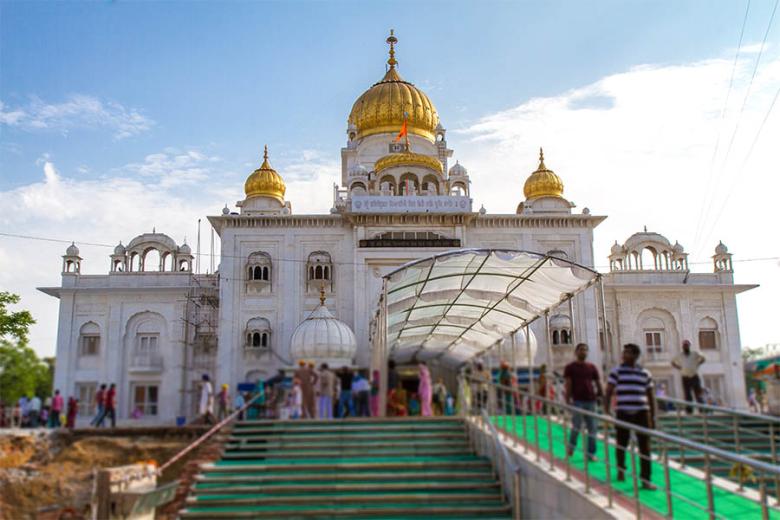
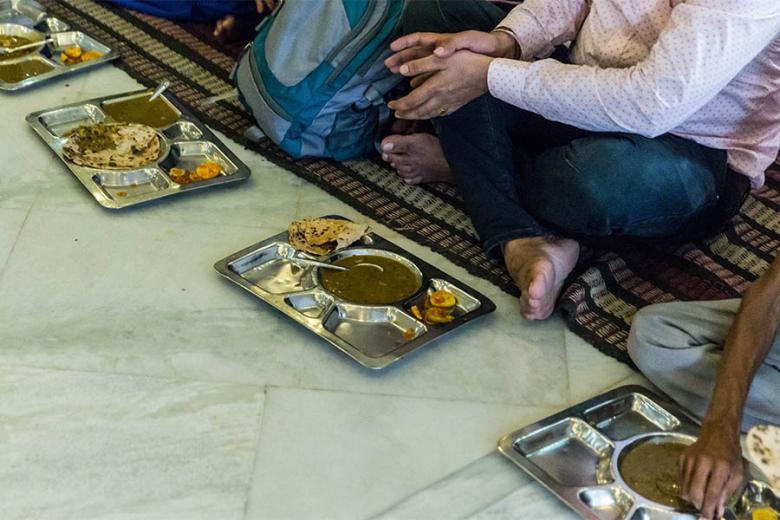
It was fascinating to see the Sikh community volunteers preparing huge quantities of food in the communal kitchen for the many people waiting to be served. People from all walks of life—rich or poor—sit together side by side to enjoy the meal. Everyone is treated equally, with social status left at the temple door. It’s a hugely inspiring place.
I also visited the new Gujarat Hindu temple, which is mesmerising with its intricate stone carvings on the walls and ceilings. The ceiling designs have a stunning 3D appearance, and I could have spent hours admiring the craftsmanship.
My thoughts about India
India has changed a lot since my first visit in 1998, yet it remains a magical place to explore, and I’m certain it will draw me back again. There really is nowhere quite like it – the colours, sounds, sights, and smells are unbelievably vivid.
It’s a country that will make you feel alive. Kerala is a wonderful region to explore, with fascinating cultural sites, beautiful beaches, lush backwaters, and rolling tea plantations. If you’re looking for a varied but laid-back Indian adventure, it’s the perfect place. On top of that, the food is out of this world.
I highly recommend including a central India safari for a few nights, whether as a taster to see if you enjoy safari holidays, or as a unique opportunity to see tigers in the wild. It was an experience that I’ll never forget.
Ready to plan your own India adventure?
We're experts at creating tailor-made India itineraries packed with thoughtful touches and atmospheric accommodation. We'll help you put together a trip that you'll never forget. To get started, simply give us a call on 1273 320 580 or send us an online quote request.
Request a quote



When is the best time to visit India?

Scott Berry
UK Sales Team Manager
at Travel Nation

The 7 best places to see tigers in India
David Taylor
Senior Travel Consultant
at Travel Nation

Our 9 favourite heritage hotels in India

Milly Gill
Product Manager
at Travel Nation
About the author David Taylor
Senior Travel Consultant
David has travelled far and wide using his passion for photography to chronicle his many journeys, including lemurs in Madagascar, glaciers in Iceland, wild gorillas in Rwanda and stupas in Myanmar. He is an experienced traveller and understands how to combine off-the-beaten-track experiences with comfortable touring, to create a trip of a lifetime. With more than 15 years of industry experience, he has worked in travel in both the UK and Australia. David joined Travel Nation in 2012 as a round the world specialist.