The best time to visit the Cook Islands

TripBlogs
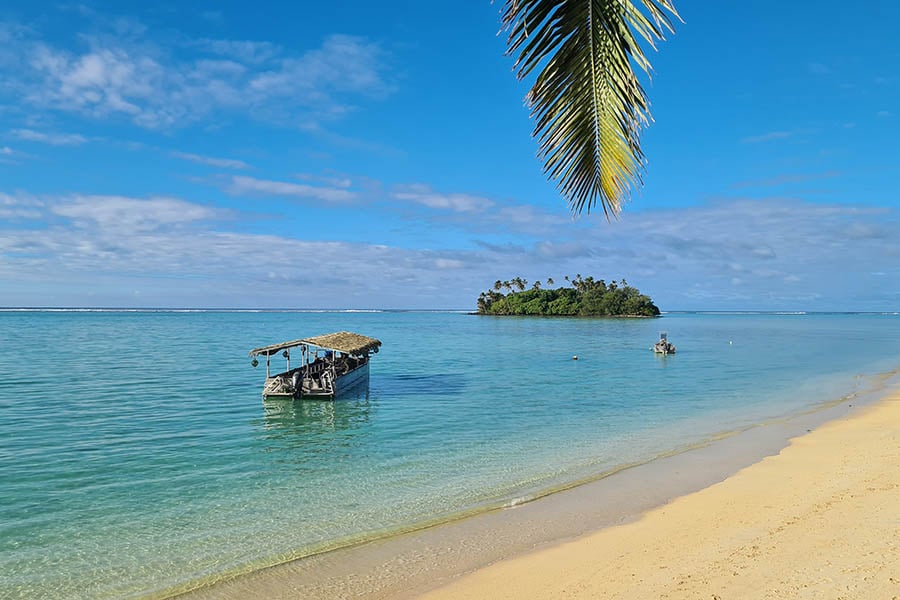
The Cook Islands are perfect for pressing the ‘reset’ button, with turquoise lagoons, swaying palms and a pace of life that encourages you to slow right down. Spread across 15 volcanic islands and coral atolls, this lovely little paradise offers a rare mix of postcard beauty and genuine local character. The welcome is famously warm, the scenery is quietly spectacular, and the atmosphere is deliciously laid-back. From the moment you arrive in the Cook Islands, you’ll start falling under their castaway spell.
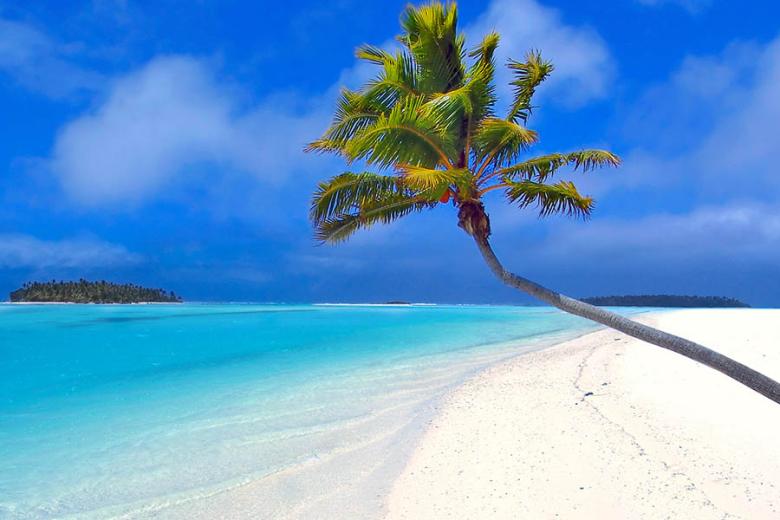
Unlike some of its glitzier South Pacific neighbours, the Cook Islands have held tightly to their sense of identity. There are no fast-food chains and no buildings taller than the highest coconut palm. On Rarotonga, just one road loops around the island, the local lager is produced in the hometown brewery, and everyday life feels rooted in community, culture and the outdoors. You get the strong sense that the Cook Islanders are totally comfortable in their own skin.
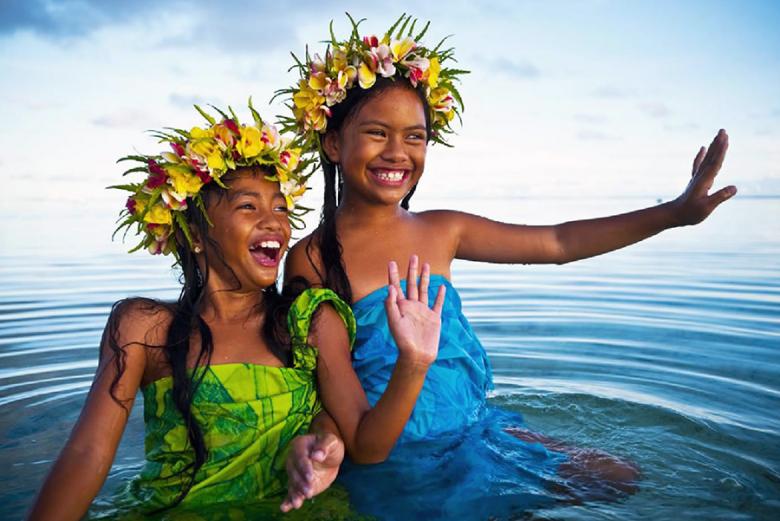
These tropical islands work beautifully for travellers from all different walks of life, and everyone is welcomed equally. Whether you’re planning a honeymoon, a family holiday, a solo escape or simply a fortnight of sun-drenched downtime, the Cook Islands will provide. They are safe, relaxed, and easy to navigate. Which brings us to the big question: when is the best time to go?

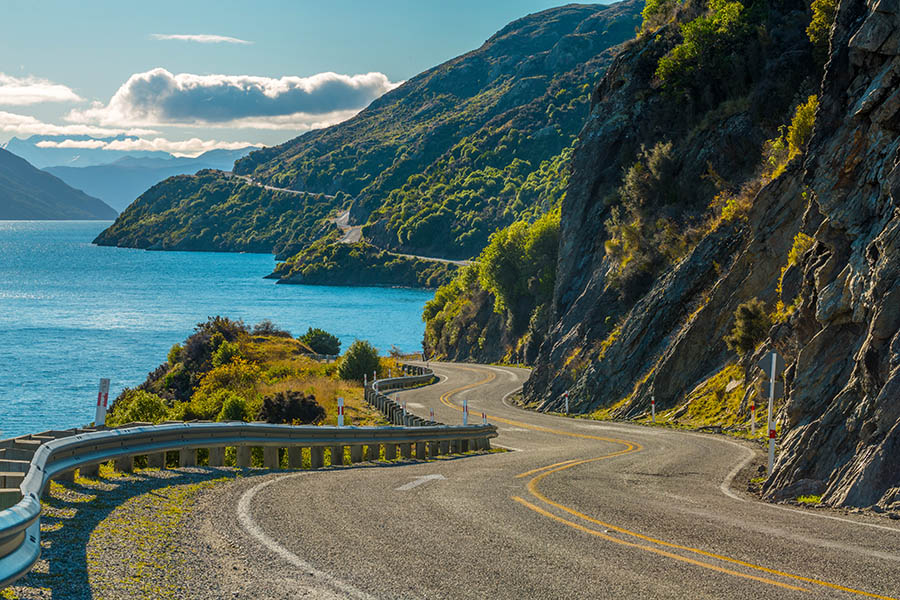
The best time to visit the Cook Islands
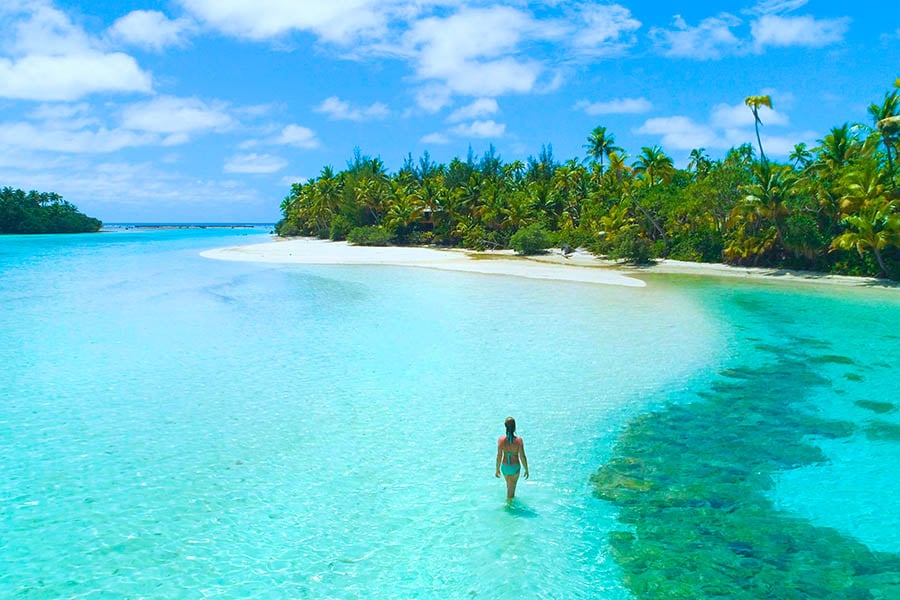
The short answer? There is no bad time to visit the Cook Islands. The islands stay warm and sunny year-round, with drier weather from April to November and more humid conditions from November to March. However, if you want the best balance of sunshine, comfortable temperatures and fewer crowds, the shoulder months of April, May, September and October are your best bet.
I visited in May, right at the start of the best season. Most days were clear, with bright blue skies, though it often rained in the evenings and overnight. The water visibility was excellent, especially in Aitutaki - Audric
Choosing the best month really depends on what matters most to you. For classic blue-sky beach days, the dry season is the safest bet. For better value and a quieter feel, the warmer months can be a smart choice, especially outside school holiday periods. And, if you want to build your trip around a standout seasonal experience, July to October is whale-watching season, while the trade-wind period from May to October is ideal for kitesurfing.
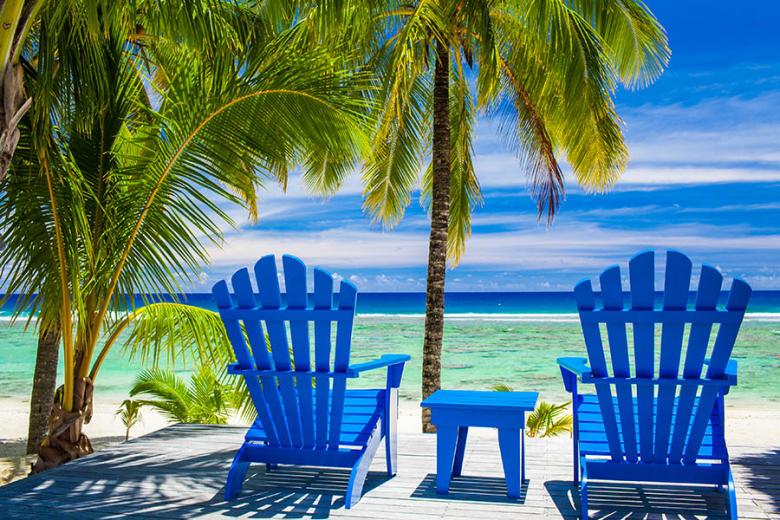
January to March: lush scenery and lazy days
This is the warmest and wettest stretch of the year, with higher humidity, tropical showers and daytime temperatures often sitting in the high twenties. The rain usually arrives in short bursts rather than all-day washouts, so you can still enjoy plenty of beach, lagoon and pool time.
January can feel busier because of school holidays in Australia and New Zealand, but once that peak passes, February and March are often quieter and better value. If you like a greener landscape, a slower pace, and you don’t mind the chance of showers, this can be a lovely time to go.
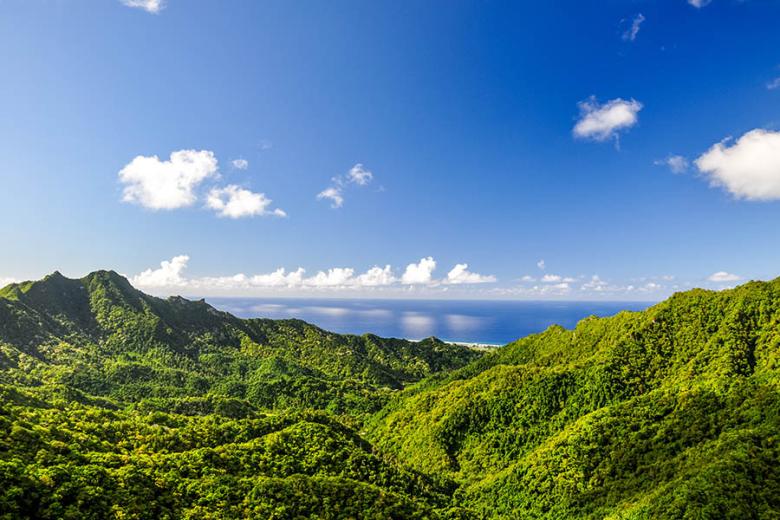
April to May: amazing in-betweeners
April and May are widely considered sweet-spot months in the Cook Islands. Rainfall eases, humidity drops, and temperatures remain beautifully warm without feeling too heavy. These months also sit outside the busiest peak periods, which means you can often find a more peaceful atmosphere and better accommodation rates. If you want the classic South Pacific look — bright lagoons, warm water and comfortable sunshine — this is an excellent time to travel.
I visited in May, and the weather was pretty much perfect: warm and sunny at around 28°C, but without any sticky humidity. There was very little cloud, and I don’t remember any rain - Jim
June to August: sun-drenched peak season
These are the core dry-season months, bringing lower humidity, plenty of sunshine and pleasantly cooler evenings. If reliable weather is your priority, this is a strong choice. Daytime temperatures are still warm enough for swimming, snorkelling and beach-hopping, while the slightly cooler air makes hiking and exploring more comfortable. Bring a cardy for the evenings and enjoy that fresh sea breeze.
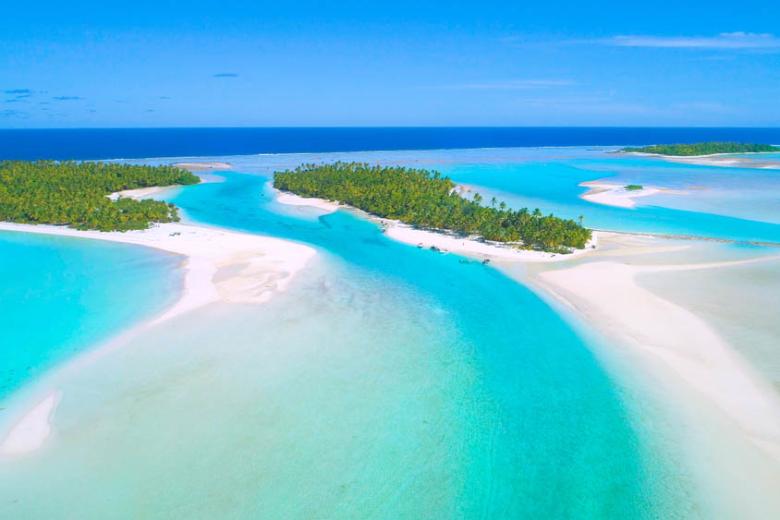
June to August is also the most popular time to visit, as families from Australia and New Zealand flock to the islands for their ‘winter sun’ holidays. This means higher prices and tighter availability, so be sure to book ahead. However, you can still find seclusion if you head for the more remote islands, so don’t rule it out.
I was there in July for around four weeks, and we had a lovely run of sunshine. The only exception was the first three or four days, when we had a few storms — but even then it was still warm and pleasant - Adam
Mid-June also marks the beginning of whale season, with migrating humpback whales appearing in Cook Islands waters from July to October. In fact, you can often see them from the shore in Rarotonga. If you’re a wildlife lover, this is a remarkable time to visit, with whale-watching cruises leaving regularly and even the chance to swim with humpback whales.
I spent two weeks in the Cook Islands in August. I had great weather and excellent visibility for snorkelling and swimming. Despite it being peak season, it still felt wonderfully peaceful, and it was easy to mix with the locals - Natalie
September to October: shoulder season magic
If you can hold out until the end of UK summer, September and October are hard to beat. The weather is typically dry and sunny, the sea is warm, and the islands often feel a little less hectic than in the heart of winter peak season. These months also offer wonderful opportunities for whale watching and excellent trade-wind conditions for water sports. For many travellers, this is the ideal balance of weather, activities and atmosphere.
November to December: warm, tropical and festive
By November, the islands start to feel warmer and more tropical again, with humidity rising ahead of the wetter summer months. November is still a very good time to travel, especially if you’re after a warm, pre-festive escape without the crowds of the December holiday rush.
December brings a more festive atmosphere and more visitors, particularly around Christmas and New Year. If you’re planning a holiday-season escape, book early, expect higher demand and be prepared to pay slightly higher prices.

Our favourite months to make the journey
If you’re looking for one simple recommendation, stick to the ‘shoulder seasons’ and aim for April, May, September or October. These months offer the best mix of warm temperatures, lower humidity, good-value travel windows and excellent conditions for enjoying everything from lagoon cruises to lazy beach days.
However, the real beauty of the Cook Islands is that they reward visitors in every season, so the best time to go is ultimately whenever you can. Switch off, slow down and soften into island time.
Ready to explore the Cook Islands?
We’ve been planning tailor-made trips to the South Pacific for over 20 years, so you can trust us to know our stuff. Our friendly experts can give you first-hand, honest advice based on their own personal experiences. We’ll really listen to your hopes for the trip and build an itinerary packed with character that suits you down to the ground. To get started, give us a call on [tn:phone_num_main] or send us a quote request by email.

My guide to visiting the Cook Islands

Jim Faulkner
Senior Travel Consultant
at Travel Nation
8 Authentic experiences in the Cook Islands
Charlie Maybank
Senior Travel Consultant
at Travel Nation
Barefoot bliss: 9 Cook Islands boutique resorts

Milly Gill
Product Manager
at Travel Nation
About the author Bryony Dunn
Marketing Manager
Bryony is an explorer in every sense of the meaning. In 2013 she took the plunge, quit her marketing job and decided to face down her lifelong panic disorder to begin life as a freelance digital nomad. Journeying all over Asia, for years she earned her keep writing for travel brands. Almost by accident, she ended up in Cali, Colombia where she discovered a remarkable (as yet latent) talent for Salsa dancing. After spending a year in sequins shimmying from dance show to dance show, she returned to the UK, tanned, toned and ready to settle down. Bryony joined Travel Nation as a round the world specialist in 2016 and is now the Marketing Manager, with a little salsa on the side.