The perfect classic China itinerary

TripBlogs
For years, I have wanted to visit China to learn about its traditions, culture and wildlife. Last year, my wish came true! I recently had the opportunity to spend 12 magical days in China, experiencing the classic highlights while also getting a glimpse of local daily life.
The trip took me from the bright lights of Shanghai to the hutongs of Beijing, and I visited rice terraces, mountain villages, and giant pandas along the way. It was, in fact, the perfect 12-day China itinerary for first-time visitors to the country, seeking a well-rounded overview and authentic experience.
When to visit China
I visited China in the second half of October. The weather was pleasant and warm in Shanghai and Chengdu, while Beijing was cool and mainly dry. China is a year-round destination, but the best times to visit are spring (April to May) and autumn (September to October). Springtime sees the fruit trees blossom and plants start to bud, while autumn brings fiery red and yellow foliage in the forests.
Arriving in Shanghai
My first stop was Shanghai for three nights. Once a backwater fishing village, Shanghai changed forever when the British opened their first concession in 1842, followed soon after by the French and Japanese. You can still see these influences in Shanghai today, with the tree-lined streets of the former French Concession and the iconic banking houses along the Bund.
While Shanghai has one foot in its past, the other foot is firmly in the future. The urban bustle and glinting skyscrapers are ultra-modern. Now the financial capital of China, Shanghai is a great place to see the old and the new jostling side by side. It’s a fascinating place.
Staying at The Middle House
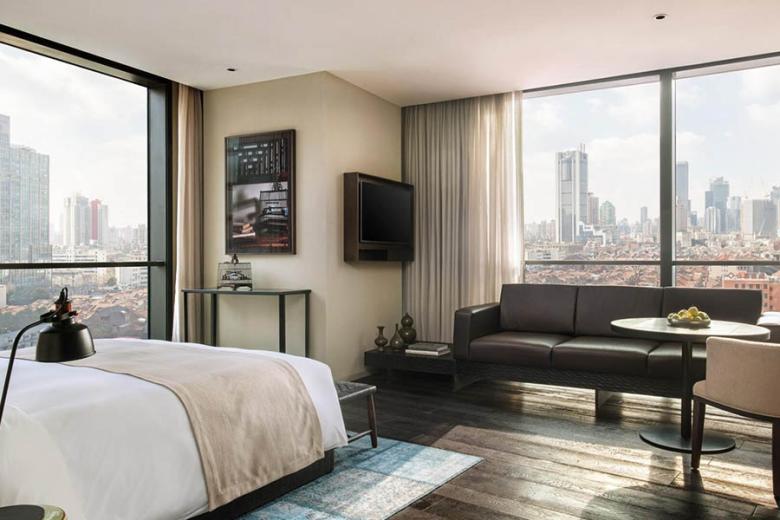
My home for the first two nights was The Middle House, which blends Italian design and modern aesthetics with a uniquely Shanghai twist. It offers an oasis of modern luxury in the heart of a non-stop city. You can feast on international, Italian, or Chinese favourites at one of the hotel's signature restaurants, plan a pamper session at the day spa, and enjoy the comfort of 24/7 bespoke service.
Exploring Shanghai’s Jewish Quarter
My first day started with an expert-led Jewish Quarter Tour. Jewish history is not a subject that springs to mind when you think about Shanghai, but the city has seen Jewish migration from as far away as Baghdad and Bombay since the 19th century.
Heading off with an expert guide, I visited the city’s synagogue-turned-museum, learned that Shanghai was one of the few cities which granted unconditional refuge to those fleeing the Holocaust, and saw what life was like for the Jewish community during the Japanese occupation.
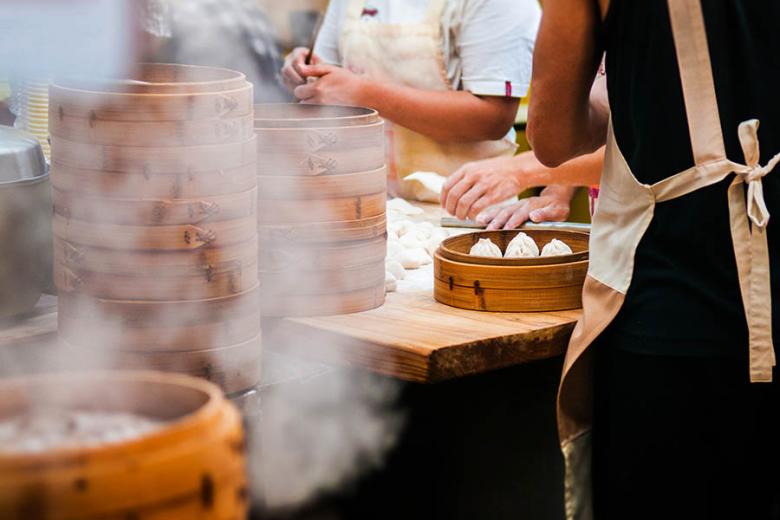
Shanghai Eats Foodie Tour
Next, I set off on a Shanghai Eats Foodie Tour where I tried the best local and regional dishes that the city has to offer. It was like a rollercoaster for my tastebuds! I tried local Shanghainese sweet and sour dishes and spicy Sichuan sauces from China’s far southwest, all paired with local beers in an authentic residential neighbourhood.
I tasted local dishes from the Shanghai Jiangnan area, as well as foods brought from Southern and Northwestern China and Sichuan. It was eye-opening to discover just how different regional Chinese foods can be. I’d highly recommend this tour as I sampled dishes that I would never have tried on my own, including crickets and the famous 100-year-old egg.
Strolling along the Bund
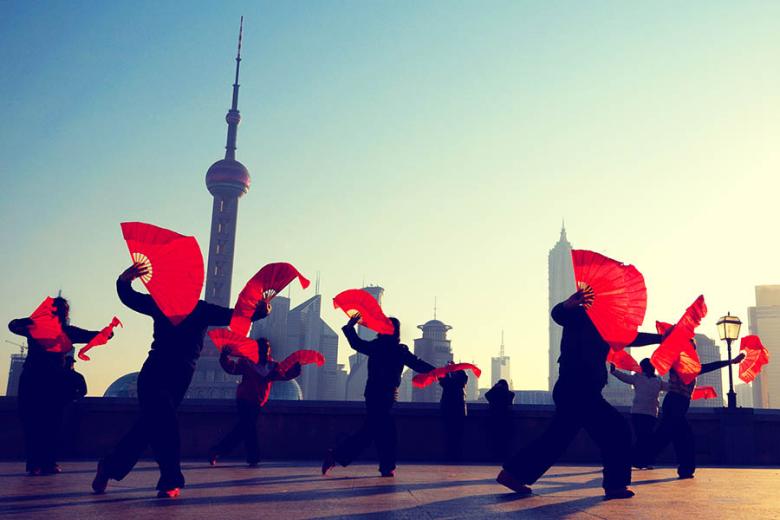
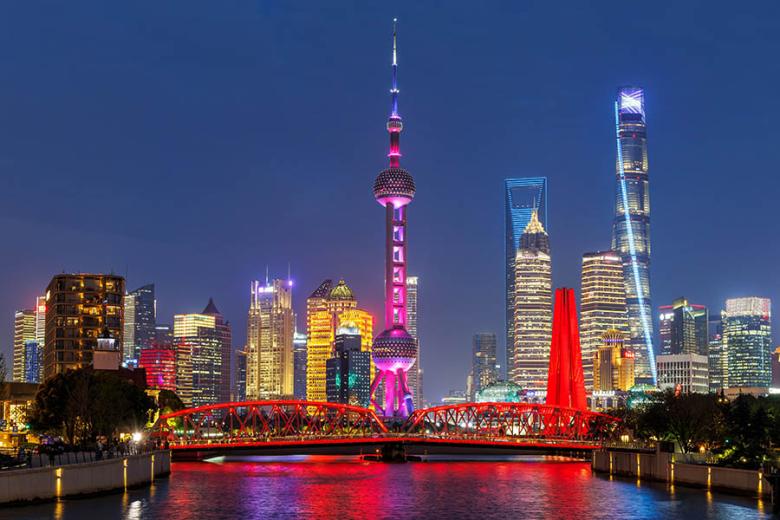
Sitting directly across the river from Shanghai’s electric skyline, you’ll find the art deco and neoclassical buildings of the Bund. Its eclectic patchwork of styles has earned it the nickname of “Museum of International Architecture.”
Walking down the riverside promenade of Bund, with neon on one side and marble on the other, you feel completely caught between the past and future of Shanghai. It’s worth visiting the Bund in the evening, as it’s all lit up and the atmosphere is magical.
People-watching in Fuxing Park
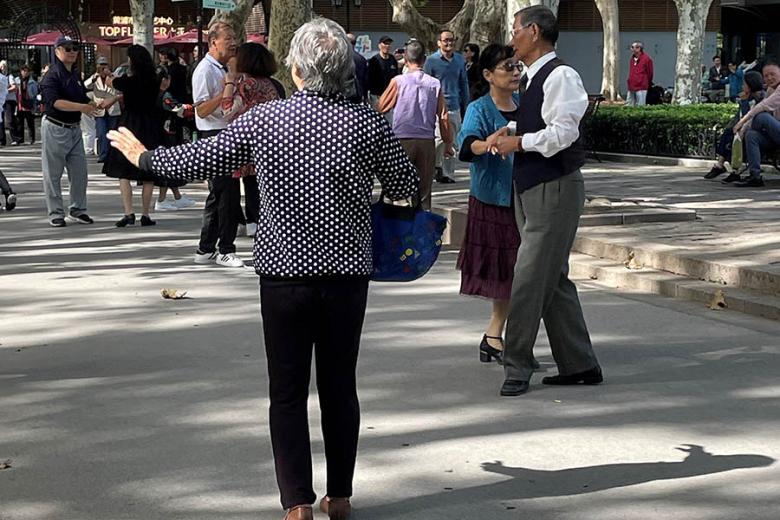
My second day in Shanghai began with a visit to Fuxing Park, which was once a private Ming Dynasty Park. Today, it’s the beating heart of Shanghai’s local life, and the people-watching here is pure joy. As I walked around, I saw ensembles of locals singing songs en masse (of varying talent), ballroom dancing, and the occasional saxophone quartet.
Retirement age in China is 55, so the park was full of retirees exercising and enjoying themselves. One thing that struck me was how friendly the Chinese people were - those who spoke English were very keen on having a chat.
Visiting the Former French Concession
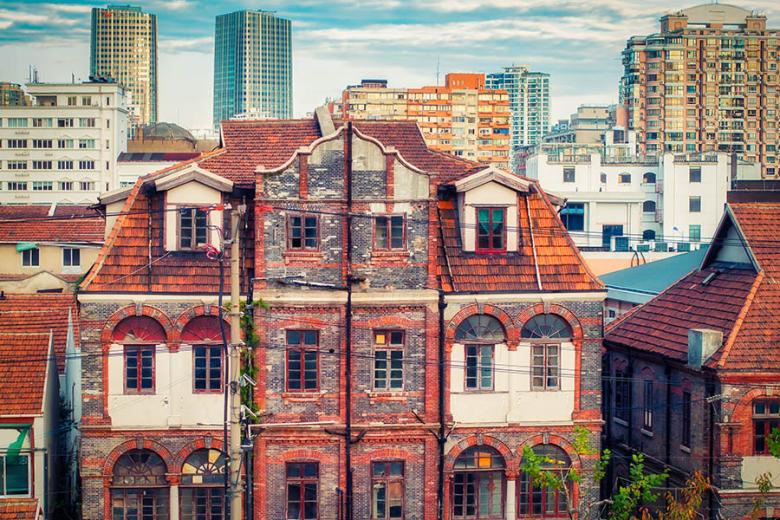
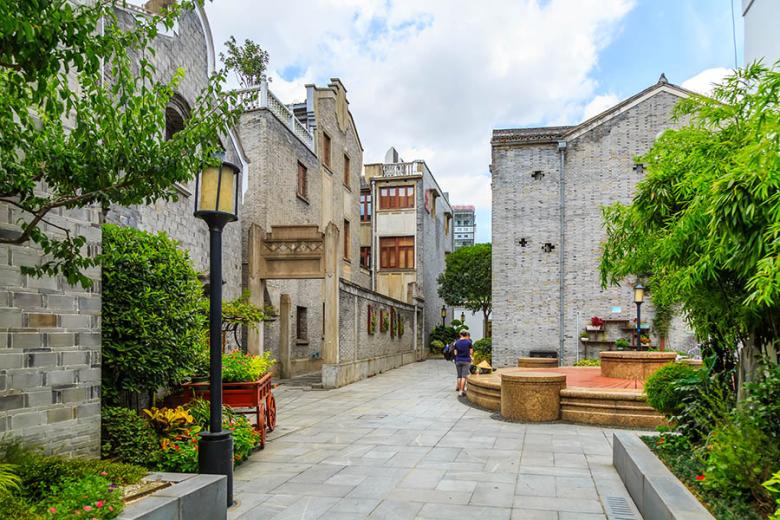
I left Fuxing Park full of smiles and headed to The Former French Concession, with its elegant, tree-lined streets. Ruled by France until the 1940s, these boulevards were once home to China’s richest and most powerful people, from revolutionaries to movie stars. You can walk through the creaking hallways of mansions once inhabited by the French, Japanese, Nationalist, and Communist elite, and feel the faded glamour of pre-World War II Shanghai.
A guided tour of The Shanghai Museum
I began the afternoon with an expert-led tour of the Shanghai Museum. Be warned, this is no ordinary museum! Shaped like an enormous ancient Chinese cooking vessel, the Shanghai Museum delivers on the inside everything that its bold exterior promises.
There’s a world-class collection of Chinese artefacts (jade burial suit, anyone?) which spans over an astonishing 5,000 years of history; each piece giving you a glimpse of daily life millennia ago. It’s definitely worth getting an expert guide who can breathe life into these collections.
Buying souvenirs at the Yuyuan Bazaar
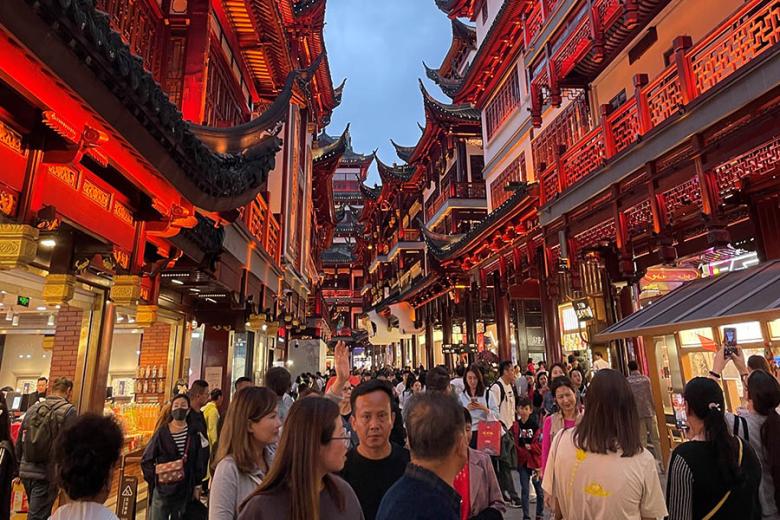
Tucked away in Shanghai's Old Town next to the city's famed Yu Garden, the Yuyuan Bazaar is THE place to buy your souvenirs. Sandwiched between Ming Dynasty-era buildings, this maze of alleyways is filled with an eclectic collection of shops and street food stalls. It’s great fun getting lost in the jumble of antiques, lanterns, and keepsakes. Haggle for your souvenirs and, when you need a snack, grab a freshly made bao bun.
Staying at the Capella Shanghai
That evening, I stayed at the Cappella Shanghai, located within the cultural preservation zone of Xuhui District. This is the only all-villa urban resort in the city and the compound is one of the last remaining examples of shikumen architecture, dating back to the 1930s. It was pure luxury and packed with nostalgia.
Exploring Chengdu
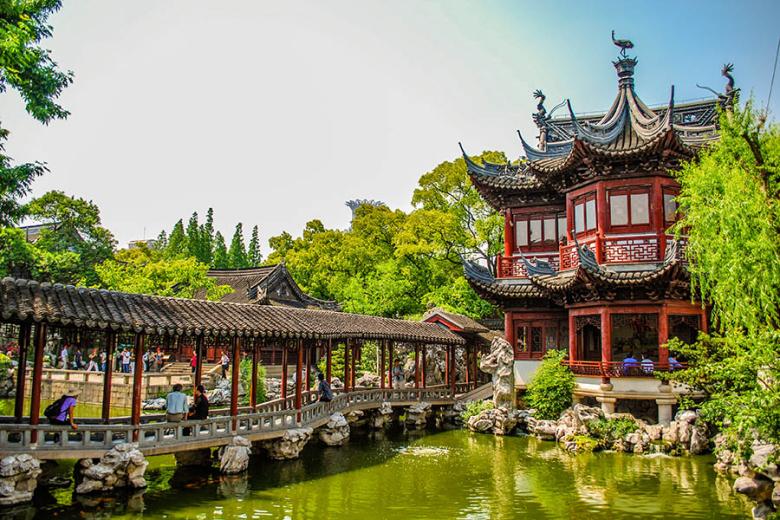
The following morning, I flew to Chengdu. Located in the heart of eastern Sichuan, Chengdu is the capital of the province. I stayed at The Temple House, situated in the heart of the city. With elegant rooms and a historic Qing dynasty courtyard, it mixes heritage touches and modern luxury. You can relax at the traditional teahouse, feast on a variety of Chinese and Western cuisines, or book a treatment at the beautiful spa.
Chengdu is the economic hub of south western China, and it’s also home to a large, thriving community of students. The whole city feels liberal and progressive. Chengdu is also famous for preserving its population of Giant Panda and offers some of Sichuan’s most delicious cuisine. What’s not to like?
Chengdu cooking class
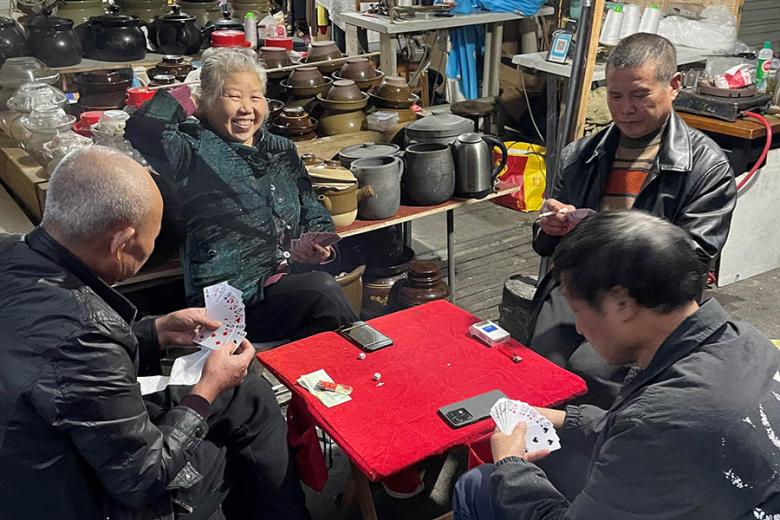
Chengdu is famous for its sizzling cuisine, so it’s the perfect place to visit the spice market and try an authentic cooking class. Led by an excellent local guide, I navigated the sights and smells of the spice market before making my way to a hidden gem - a traditional courtyard restaurant.
Under the watchful eye of a professional chef, I whipped up a sumptuous Sichuan feast with my ingredients from the market and then devoured it alongside a cup of refreshing Sichuan Gaiwan tea.
Meeting the Giant Pandas of Chengdu
About an hour and a half from Chengdu, Dujiangyan Panda Base is a great place to get up close to Giant Pandas. These wild pandas were first spotted in the area in 1953, and the bamboo-covered hills of the conservation centre replicate their natural habitat.
The ultimate goal of Dujiangyan Panda Base is to boost the population of Giant Pandas and prepare them for life in the wild. Be sure to look out for the Panda Keepers, who may well be hanging out with China’s national animal dressed as pandas themselves. It’s quite a sight!
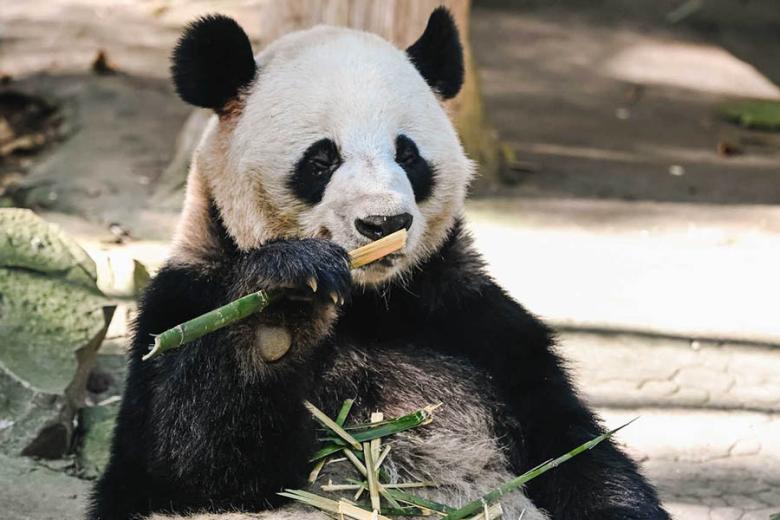
Being a Panda Keeper
Dujiangyan’s Giant Pandas are not confined to small enclosures, and I wasn’t confined to a spectate-only experience. Today, I got the chance to be a volunteer Panda Keeper and help supply fresh bamboo to these beautiful creatures three times each day. Amazingly, the pandas usually eat only 30% of the bamboo, wasting 70% of it!
As a Panda Keeper, I helped prepare food for the pandas, cleaned their cages, and shared lunch (and many questions!) with the staff. Of course, I was also able to spend time strolling through the gorgeous gardens of the enclosures and admiring the Giant Pandas as they played, relaxed and slept. It’s an experience that I’ll never forget!

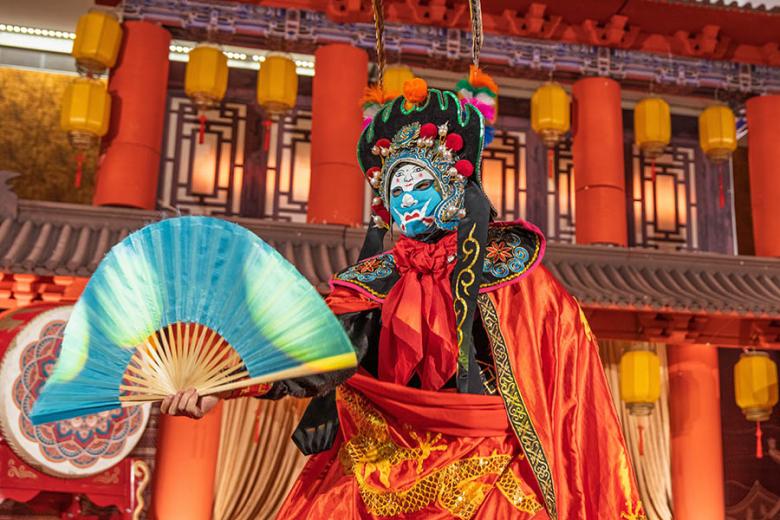
A night at the Sichuan "Face-Changing" Opera
The illusory, face-changing Sichuan Opera is shrouded in such mystery that a superstar Hong Kong actor allegedly once paid 3 million yuan to learn its secrets. Faster than the eye can detect, the faces of opera performers change multiple times during the performance. I’ve never seen anything like it!
This ancient art, combined with acrobatics, comedy, and vivid characters, was made all the more Sichuanese by the opportunity to have my ears cleaned by a local master during the show! It was a fascinating evening.
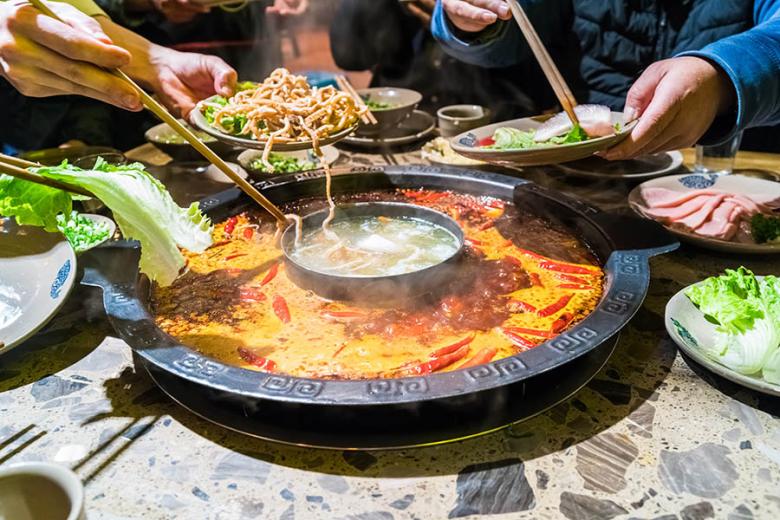
Trying a classic Sichuan Hotpot
We finished the evening with a famous Sichuan Hotpot Dinner. Walking into the hot pot restaurant, we were hit by the fragrance of the spicy broth. You cook the meat and vegetables in the simmering pot in the centre of the table, making it a really interactive meal. The broth was packed with flavour, and the restaurant was packed with locals, which is always a good sign!
Taking the high-speed train
From Chengdu, I took the high-speed train to Guilin, which takes 5 hours. It was a very comfortable train ride in First Class. For a real treat, you can upgrade to Business Class, where the seats convert to a fully flat bed, just like a business class seat on a plane.
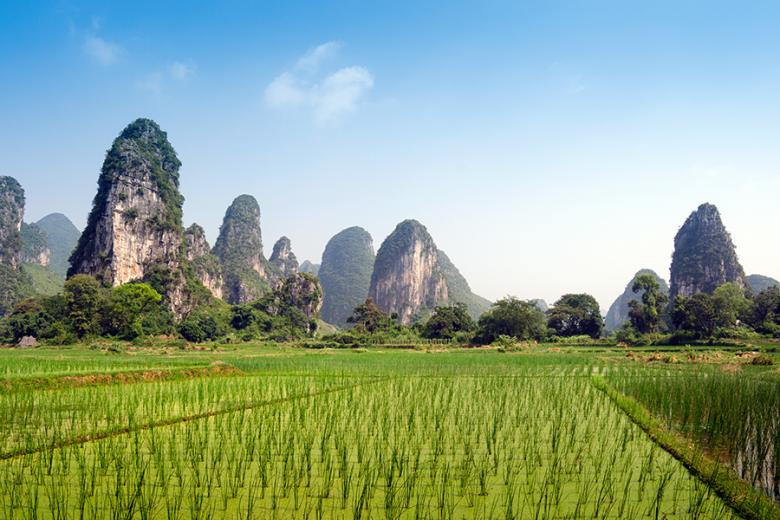
Unwinding in Yangshuo
Yangshuo is one of the most famous towns in China, with a laidback atmosphere and picturesque scenery. While it’s definitely on the beaten path, Yangshuo is a wonderful place to unwind and enjoy Guangxi's rural beauty. It’s a peaceful patchwork of rice paddies, rivers, and karst mountains. Pure bliss!
Staying at Yangshuo Sugar House
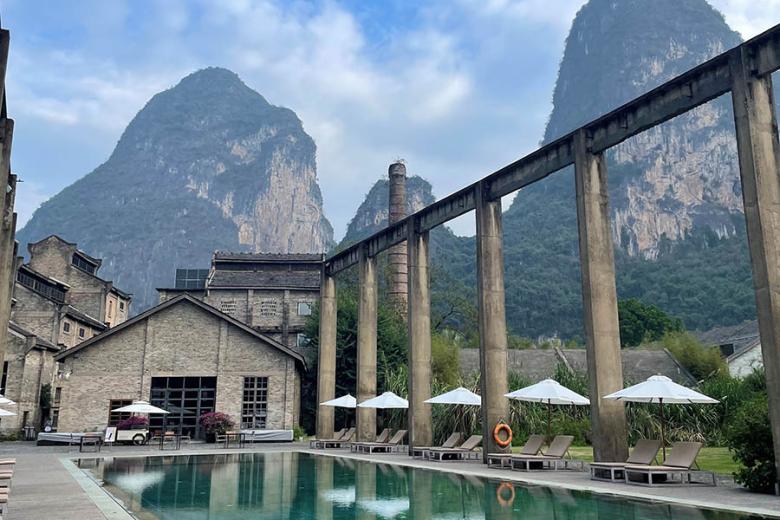
From Guilin, it took a further 1.5 hours to reach my home for the next two nights, the Yangshuo Sugar House. Once a working sugar mill, it's an oasis of calm against a breathtaking backdrop. The restaurant serves locally inspired, farm-to-table specialities, the outdoor pool looks out onto a panorama of karst mountains, and you can sip cocktails made with rum from the in-house distillery. For the ultimate treat, you can luxuriate in a relaxing spa treatment that uses local black sugar.
Cycling through the countryside
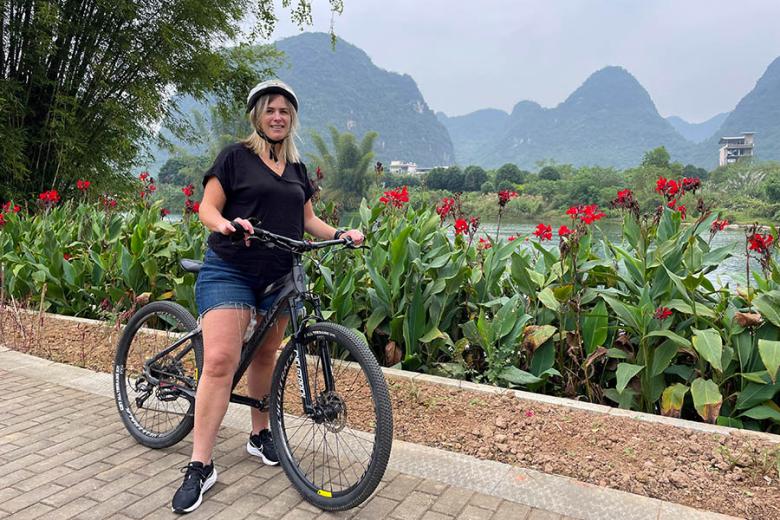
The next morning, I set off on two wheels for a bike tour of Yangshuo. The route took me through a sublime landscape of emerald fields, misty karst peaks, and gently winding rivers. I pedalled along the banks of the Yulong, the Li River’s more tranquil tributary, gliding along flat paths and past remote villages and farms with the sun on my face and wind in my hair.
Bamboo rafting on the Yulong River
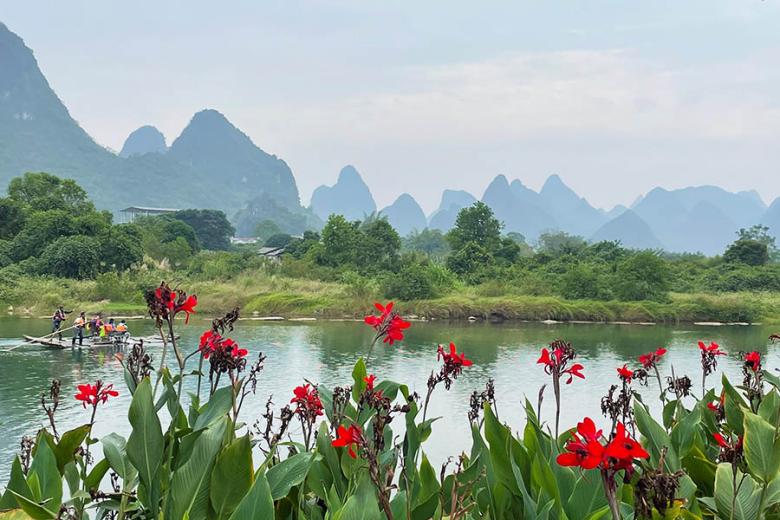
After the bike ride, I went bamboo rafting on the Yulong River. Drifting along the calm river on a bamboo raft is like sliding into an ancient Chinese painting, where crystal waters meander between karst peaks and rice paddies, with water buffalo ploughing the fields beside the riverbank. During the 90-minute trip, I could just sit back, relax, and soak up the landscape with my very own gondolier punting me downstream.
Cooking with a local family
Next, I visited the home of a rural farming family, where I had a cup of tea and listened to the local farmer about his life. It was fascinating. I also learnt how to make one popular Yangshuo dish, snails stuffed with pork and mint, and a popular dessert, mugwort cakes stuffed with peanut and brown sugar.
Watching a traditional show
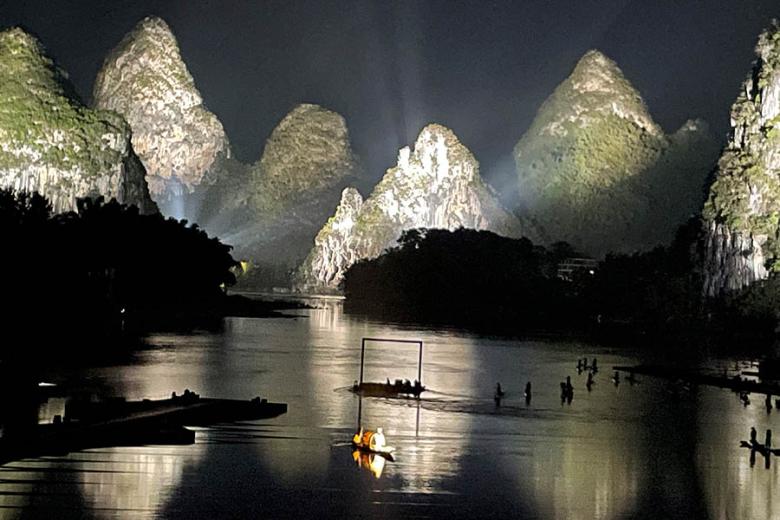
The perfect day finished off with a visit to the Impression Liu Sanjie Performance. Choreographed by Zhang Yimo, the director behind Hero, House of Flying Daggers, and the opening ceremony of the 2008 Beijing Olympics, it’s an epic 70-minute performance of ethnic song and dance.
Based on a local legend about a young Zhuang girl with a beautiful singing voice, the production was elevated by the stunning surroundings of the natural amphitheatre. It was a very moving spectacle and a show that I’ll never forget. I even shed a tear watching it. Don’t miss it if you’re in Yangshuo!
The journey to Longsheng
The drive from Yangshuo to Longsheng took around 2.5 hours. Nearly 75% of Guangxi’s inhabitants are non-Han, and Longsheng is home to a colourful mixture of Dong, Huang, Yao, and Miao people. It’s a great place to learn about Guangxi’s rich minority cultures.
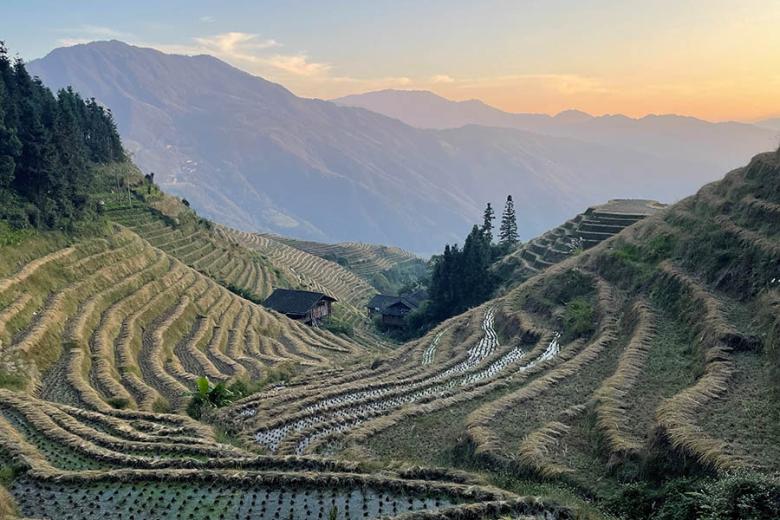
The highlight of Longsheng is the Dragon’s Backbone Rice Terraces, a group of large-scale rice terraces built into the hillside dating back more than 650 years. Just as they were in the past, these sprawling terraces are still carved out of the mountainside using simple traditional methods.
A pitstop in Ping An
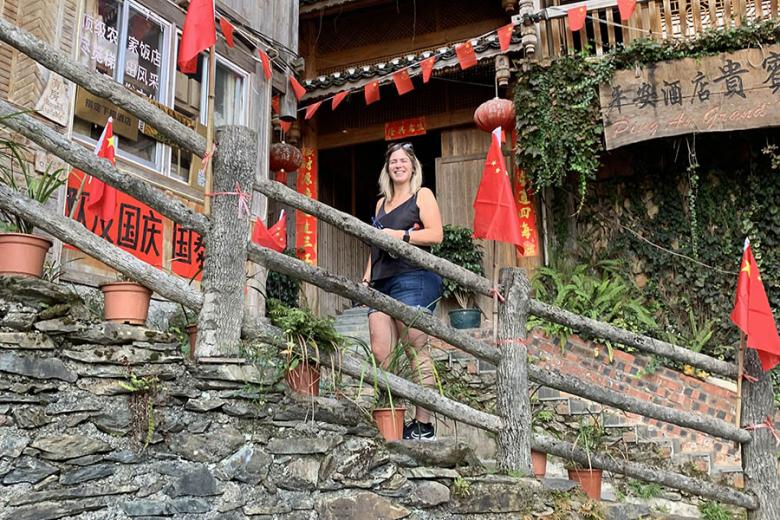
On the way to Longsheng, we stopped in Ping An, a fairytale village nestled amongst staircases of emerald green rice. It’s the home of the Zhuang, China’s largest ethnic minority, who have their own distinct culture.
Here, they use a traditional method of steaming rice in bamboo tubes stuffed with meat, spices, and beans over an open fire, giving the rice a subtle but enhanced flavour. I got the chance to test my cooking skills using this traditional and authentic local method.
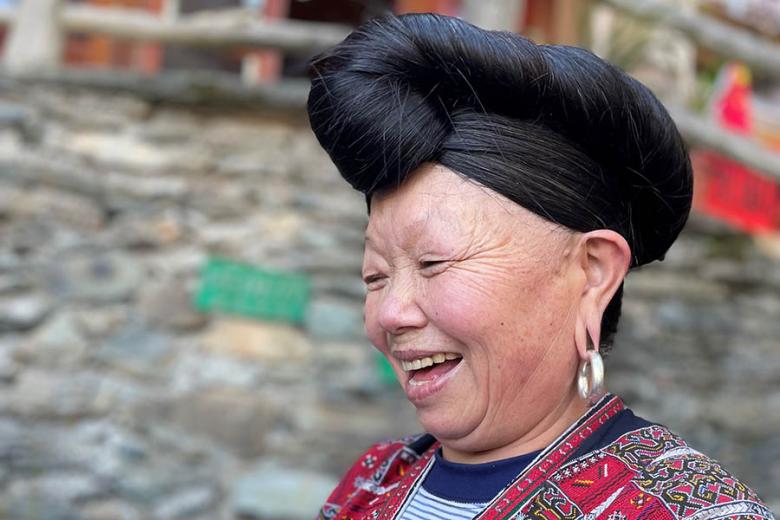
After a delicious lunch, I explored the town and the market, keeping an eye out for the mesmerising patterns of Zhuang textiles. The local Yao women, clothed in various shades of pink, sell everything here from silver bracelets to woven goods. One of the Yao women also carried my luggage in a basket on her back to my hotel.
Staying at Li'an Lodge
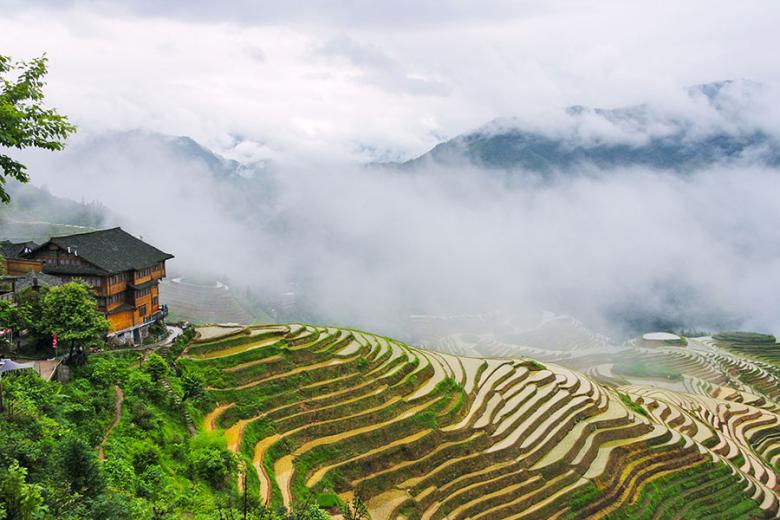
Struck by the beauty of the rice terraces on a photography trip, photographer Keren Su returned to the area to open Li'an Lodge. It’s a unique hotel with spectacular views, built using only traditional Chinese tongue-and-groove, without a single nail! The remote location means that it’s a 30-40 minute hike to reach the lodge, but the unparalleled views (and luggage porters) make it all worthwhile.
Hiking the Dragon's Backbone
I spent the afternoon hiking through the Dragon's Backbone Rice Terraces, where I found myself transported through time. The light hike took me along the rice terraces and through the region’s lush valleys. The terraced fields are built along a slope winding from the riverside up to the mountain top, between 600 and 800 metres (2,000 and 2,600 ft) above sea level.

Arriving in Beijing
The next day, I flew from Guilin to Beijing, which took 3 hours. With more than 22 million people and 7 million cars, it’s a stark contrast to the rice terraces of Longsheng. I stayed at the Mandarin Oriental Wangfujing, which is close to some of Beijing’s most premium shopping and offers stunning views overlooking the Forbidden City. The hotel has 73 spacious rooms and suites, a rooftop terrace with a bar, two restaurants, a spa, and an indoor lap pool.
Exploring the Forbidden City
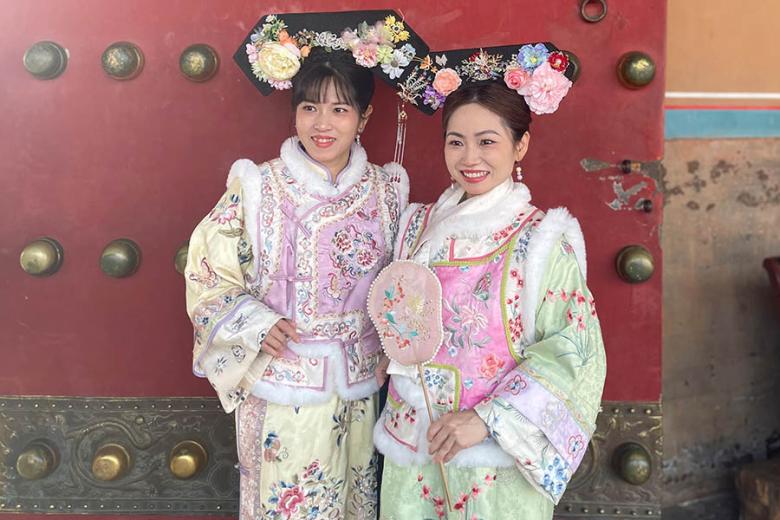
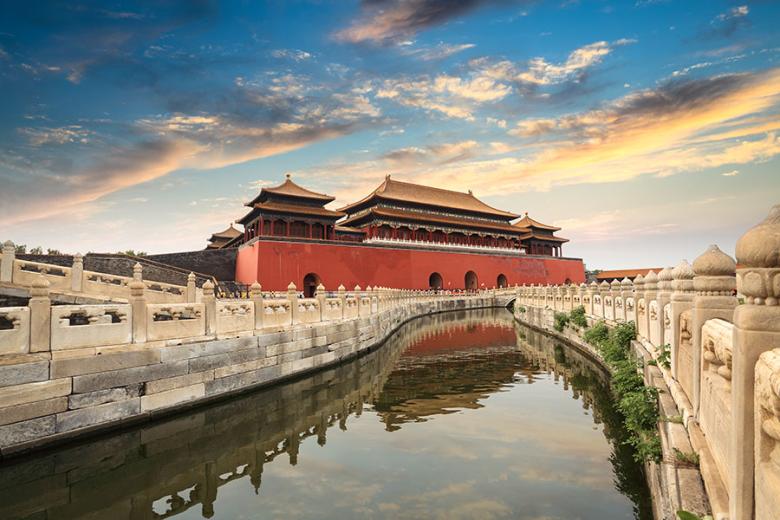
The following morning, I stepped inside the Forbidden City, a massive imperial palace that was once home to China’s emperors. For 600 years, the gates were shut to everyone except the royal household and their entourage of eunuchs and concubines. Then, in 1924, a powerful warlord gave the last emperor just three hours to leave forever.
Today, the Forbidden City is the world’s largest palace complex, with more than 800 buildings and 8,000 rooms, right in the heart of Beijing. After being off-limits to visitors for six centuries, it’s now a UNESCO World Heritage Site, and you simply can’t miss it.
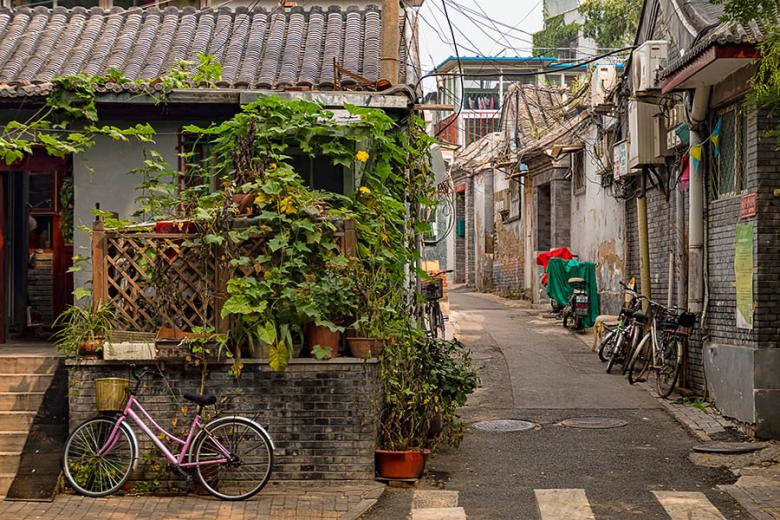
Getting lost in the hutong area
Next, I set off on a walking tour of Beijing’s historic hutong neighbourhoods, a maze of lanes and alleyways that crisscross through the city. Along the way, I encountered elders playing Chinese chess and mahjong, shopkeepers selling traditional snacks like jianbing (pancakes) and baozi (steamed buns) and heard the calls of the knife sharpener or cardboard collector. It was like a step back in time.
Mr. Lieu and his fighting crickets
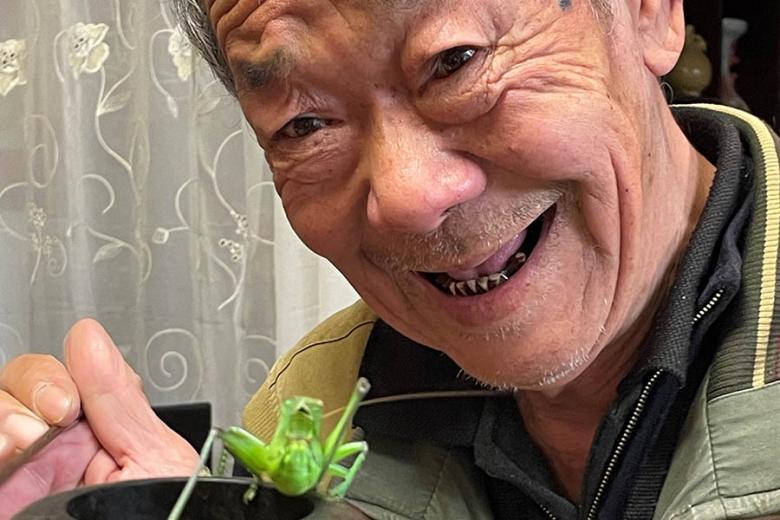
During the tour, I stopped at the homes of some of the city’s more traditional residents, including Mr. Lieu, who has won fame and fortune through the legendary prowess of his fighting crickets! Once the sport of the emperors, cricket-fighting is an age-old tradition and a popular pastime in China.
Cricket owners cherish their insects, and caring for them isn’t cheap. In addition to food, many cricket trainers will buy tiny bowls, plates, and beds that are placed in a minute ‘cricket house’. The lifetime of a cricket is only one hundred days, and champion crickets will even be placed in diminutive coffins after they die. These crickets are so precious that their owners will rarely allow them to get injured during a fight.
Mr. Lieu is also a cricket-fighting referee, and he has been featured in many magazines. It was a real pleasure to meet Mr Lieu, a true raconteur, and hear all about his unusual life of Mr Lieu and the history of raising crickets in this ancient part of the city. I even got the opportunity to meet the crickets and hold one in my hands.
Walking the Great Wall
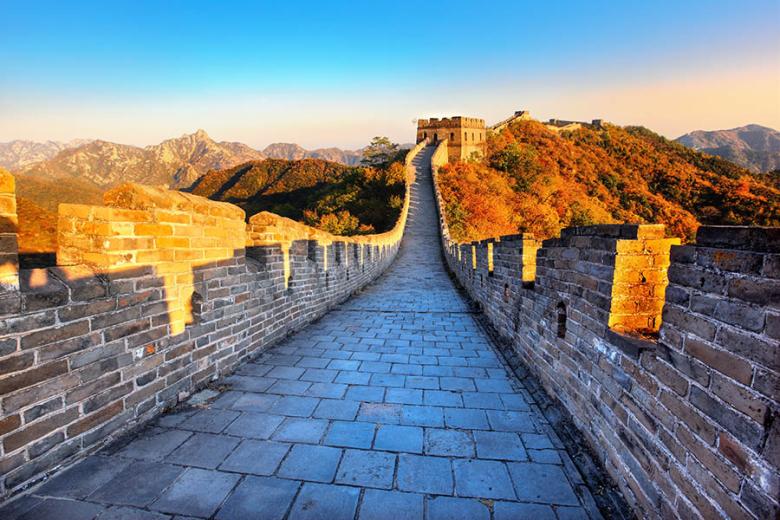
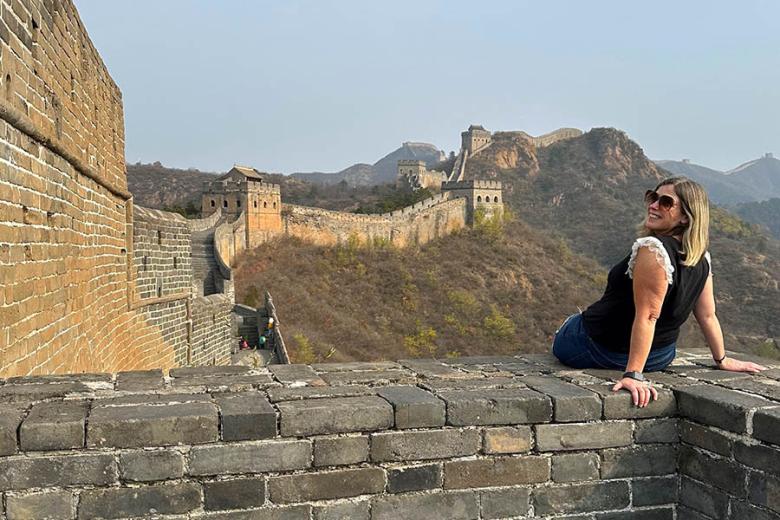
The next morning, we drove to the Great Wall at Jinshanling. Rising from the sea in the east before extending 5,000 miles to the deserts of China’s far west, the Great Wall is arguably the greatest man-made wonder on earth. Tucked away in the mountains of Hebei Province, Jinshanling is the most picturesque part of the Great Wall reachable from the capital.
Free from the crowds of sections closer to Beijing, Jinshanling’s 10.5km stretch of both restored and wild wall is steeped in centuries of history. We took a short gondola ride up the mountain, followed by a three-hour hike with unbelievable views of countless watchtowers against mountain silhouettes. During the trip, I was lucky enough to have a Taichi lesson on The Great Wall itself, followed by a champagne picnic lunch.
Saying goodbye to Beijing
I spent my last day in Beijing wandering around the city, visiting Tiananmen Square, taking the train to the Temple of Heaven, and doing some last-minute souvenir shopping. Beijing is a very easy city to navigate, and the local transport is very cheap. I felt very safe wandering around on my own.
My thoughts about visiting China
I absolutely loved my trip to China, and it exceeded all my expectations. I now want to discover more of this fascinating country. Personally, Yangshuo and Longsheng were my favourite parts of China. I felt like an intrepid traveller again, transported back in time, buried in the peacefulness of the countryside, away from all the bright lights of the big cities.
During my 12-day trip, I had 10 different local guides who were all extremely knowledgeable, helpful and friendly. Guides are invaluable in China, as they take you to see and experience things that you would miss on your own. They also take the stress out of the language barrier in some parts of China, and they’ll help you get a real glimpse of local life.

Ready to plan your trip to China?
We're experts at creating tailor-made holidays all over the world. We'll help you build an unforgettable China trip packed with once-in-a-lifetime experiences. To get started, simply give us a call on 1273 320 580 or send us a quote request by email.


Exploring Shikoku: Japan off the beaten path

Liz Goodall
Sales Team Manager
at Travel Nation

7 Luxury train journeys to add to your bucket list
Bryony Dunn
Marketing Manager
at Travel Nation

Exploring the spiritual Kii Peninsula, Japan

Tracey Smith
Senior Travel Consultant
at Travel Nation
About the author Grainne Sheffer
Senior Travel Consultant
After her finishing her degree and backpacking around Europe, Grainne set off for Australia and Asia. She has travelled all over the world, with a self-drive through Namibia and her exploration of Sri Lanka standing out as particular highlights. Since starting a family she enjoys passing the travel bug on to her kids; from wandering through the riads of Morocco to snorkelling the reefs of Mauritius and visiting orangutans in Borneo. With over 15 year’s travel industry experience, she joined Travel Nation in 2015 as a round the world specialist and with an extensive personal experience of Business Class travel, she is also a member of our Business Class team.