My ultimate northern Vietnam itinerary: Hanoi to Hoi An
TripBlogs
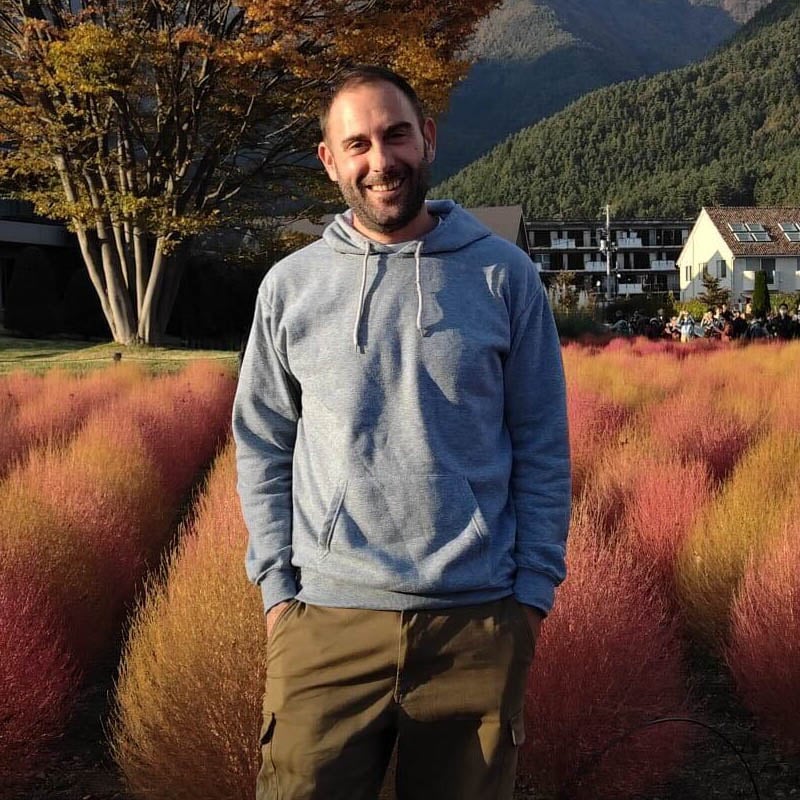
Having previously explored the Philippines, Sri Lanka, Singapore, Japan, and parts of Thailand, I felt inspired to discover new corners of Asia. This time, I chose a 15-day journey through northern Vietnam, beginning in Hanoi and ending in Hoi An, before continuing onwards to Kuala Lumpur and southern Thailand.
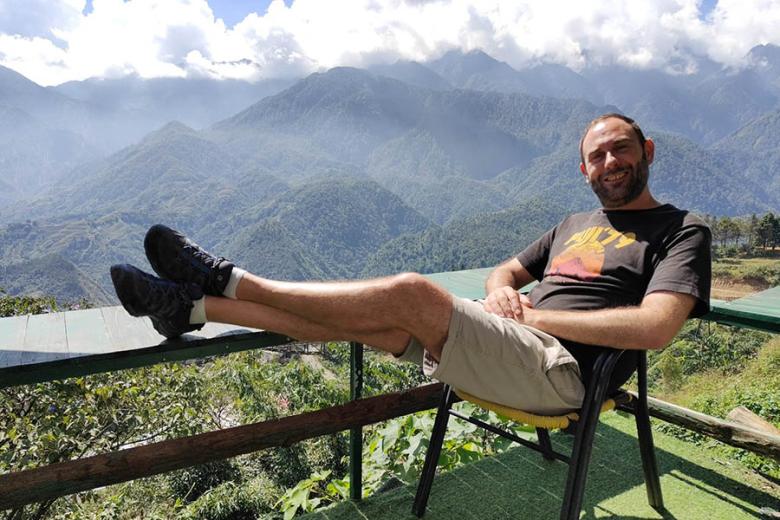
My focus for this trip was northern Vietnam, where I hoped to experience a rich blend of rural charm and lively city culture. Northern Vietnam has so much to offer, and while 15 days may seem short, I decided to focus on a few key destinations, spending 2 to 3 days in each. If you have more time available, I highly recommend stretching your trip to three weeks, which will allow you to explore both the north and south at a more relaxed pace.

When to visit Vietnam
Vietnam is a long, narrow country with striking variations in climate from north to south. Generally, October to November and March to April are the best times to visit the northern regions, as the weather is mostly dry and pleasantly warm. I travelled at the end of October and was lucky enough to enjoy sunshine for 90% of my trip.
In the north, the rainy season runs from May to August, which can impact activities like trekking in Sapa or sailing through Halong Bay. In central Vietnam, the rainy period officially lasts from November to April, although you’ll still find plenty of sunshine between showers. Meanwhile, the far north experiences colder, drier conditions from December to March.
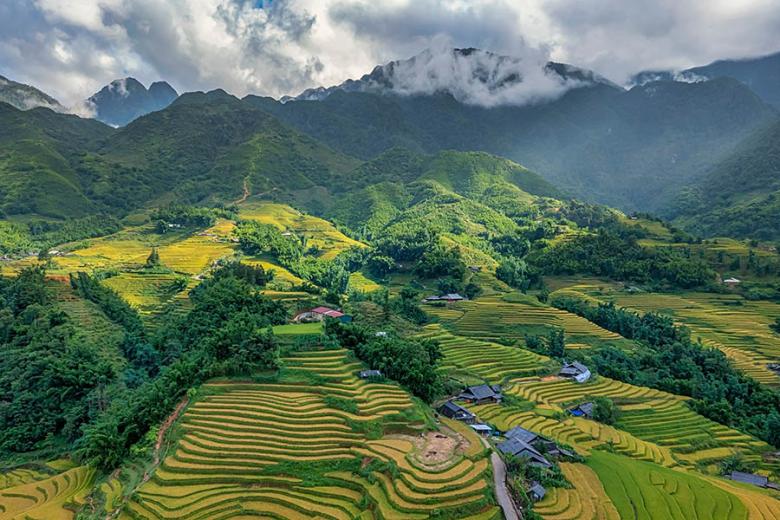
If you’re particularly keen to see the rice terraces, keep in mind that they have their own seasonal cycle. They are lush, green, and wonderfully photogenic from May to mid July. After that, they turn golden until harvest, which can occur anytime between late August and mid-September.
Getting to Vietnam
Vietnam is very accessible by air. There are direct flights from several European cities with Vietnam Airlines, or you can fly with carriers such as Qatar Airways, Emirates, Turkish Airlines, or Singapore Airlines, which may include a stopover.
Because Vietnam stretches a long way from top to bottom, it’s best to arrive in one city and depart from another to avoid backtracking. Also, remember that an onward ticket is required to enter Vietnam, as well as many other Southeast Asian countries.
Exploring Southeast Asia
Vietnam can easily form part of a wider Southeast Asia itinerary. Numerous regional routes operated by Vietnam Airlines and Air Asia make it simple to travel onwards to Thailand, Cambodia, Laos, Malaysia, or China. You can even book an open-jaw ticket, flying into Vietnam and out of Singapore or Thailand, travelling overland between the two. This is a great way to avoid doubling back during your trip.
Beginning in Hanoi
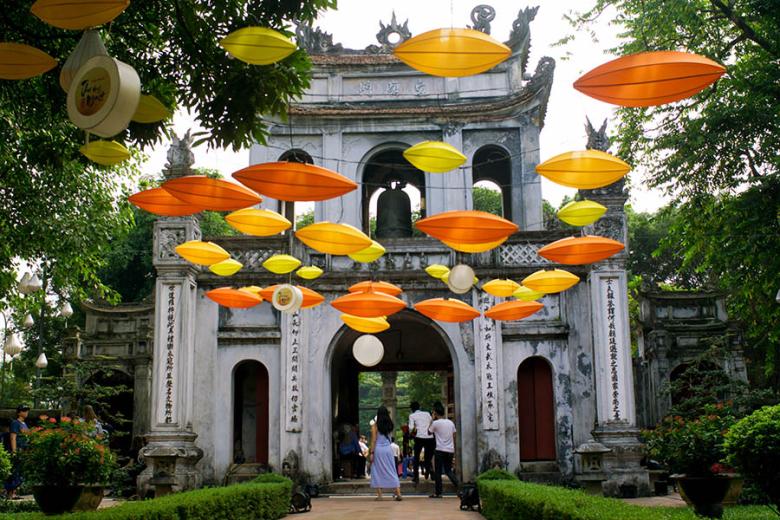
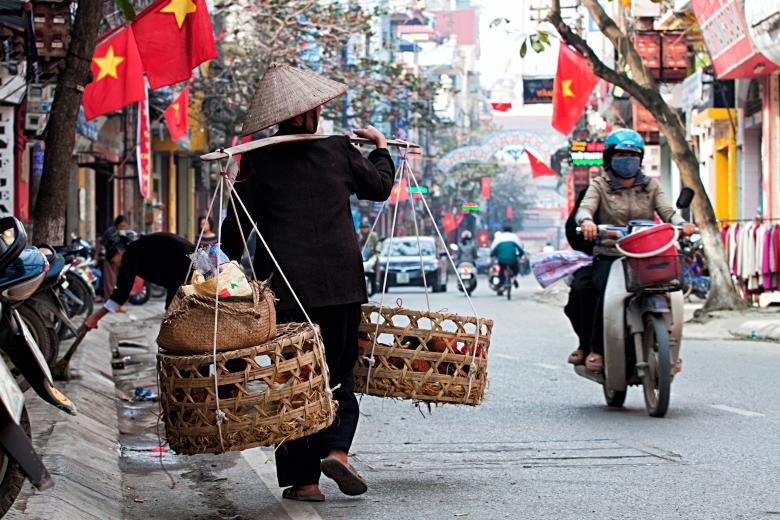
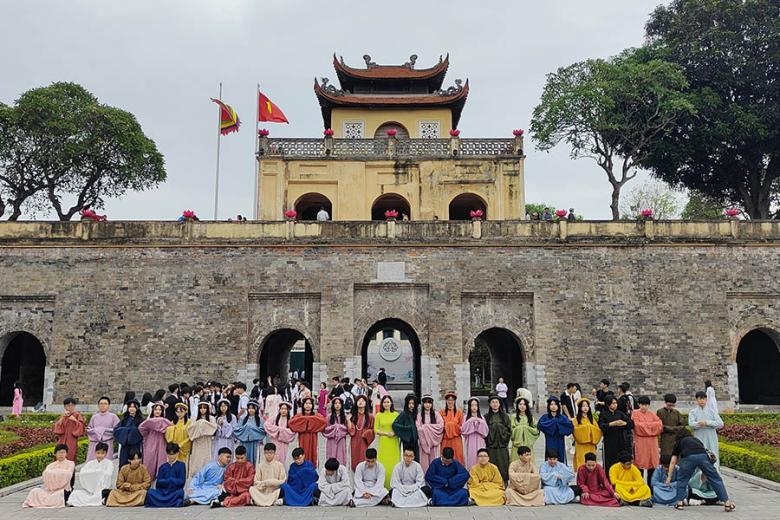
I began my adventure in Vietnam’s capital, Hanoi—a city that feels more traditional and cultural compared to the more modern, skyscraper-filled Ho Chi Minh City. Many of Hanoi’s must-see attractions are in or near the Old Quarter, including Train Street, the Mausoleum, the Temple of Literature, the Imperial Citadel, St. Joseph Cathedral, and Tran Quoc Pagoda. Although the Old Quarter consists of just thirty-six streets, it’s bursting with colour, energy, and character.
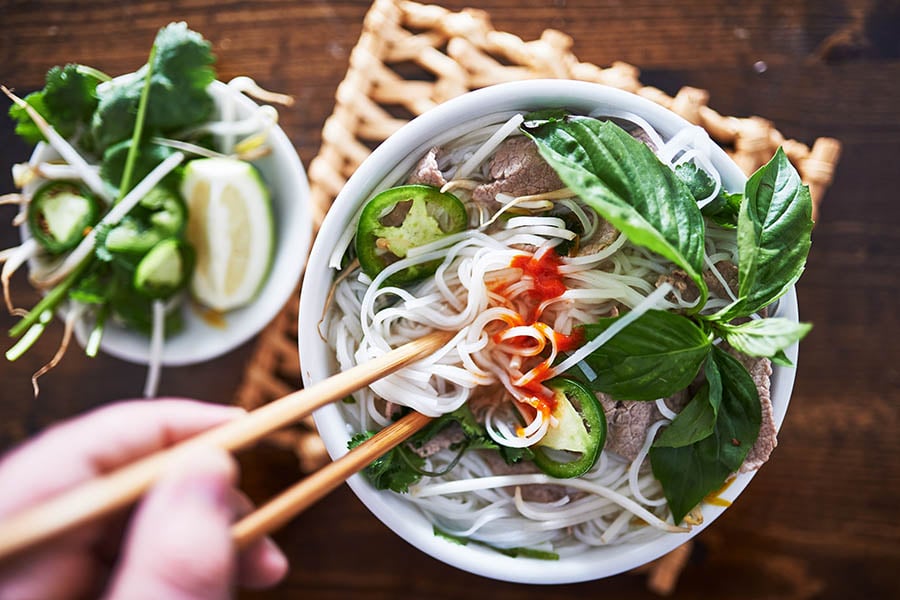
Take your time to wander through its lively lanes, stopping at coffee shops and sampling local dishes. Be sure to try Pho (a fresh, zingy noodle soup), Bánh Mi (Vietnam’s famous baguette), Bún Cha (a herby noodle dish with meat or fish), Cao Lau (a hearty pork noodle bowl), and, of course, fresh or fried spring rolls.
Exploring the Old Quarter on foot can feel overwhelming at first, especially when navigating Vietnam’s famously scooter-filled streets—even the pavements are busy! But you’ll quickly get used to it, and crossing the roads becomes part of the unforgettable Vietnamese experience.
Heading north to Sapa
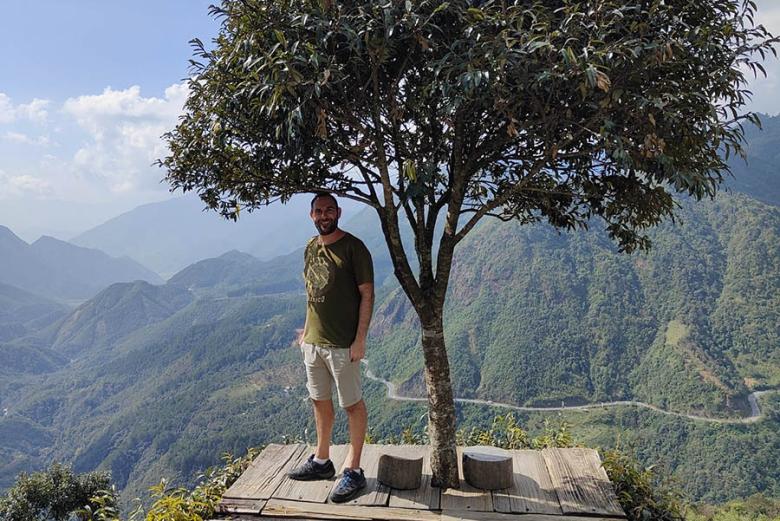
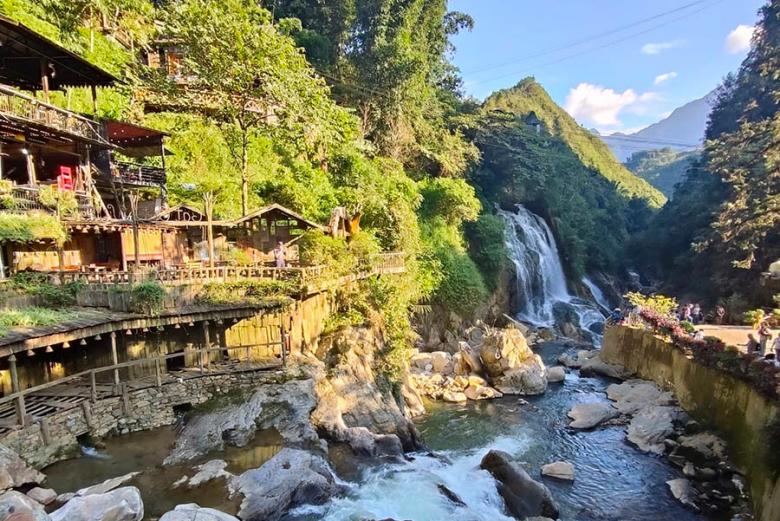
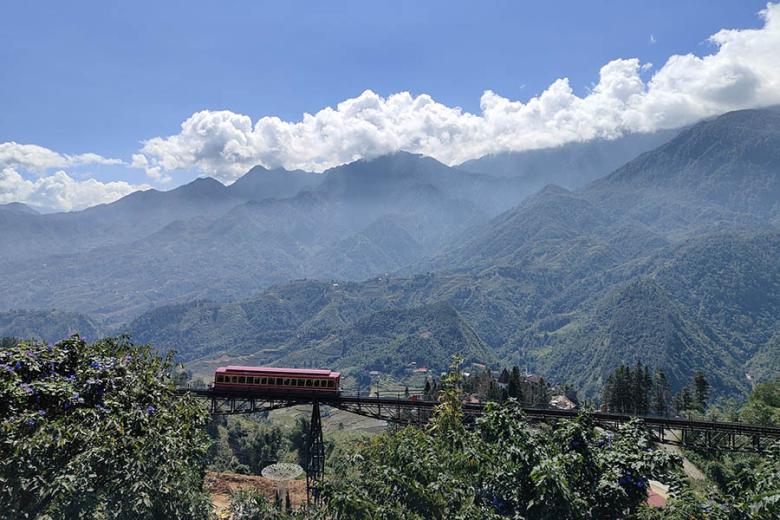
From Hanoi, I travelled north to Sapa, known for its remarkable rice terraces and Fansipan Mountain, often called “The Roof of Indochina.” The region offers countless scenic walking trails, visits to ethnic minority villages, peaceful forest waterfalls, and the spectacular Muong Hoa Valley.
If your schedule allows, I recommend spending at least 3–5 days in Sapa. There is plenty to see and do, and you can even enjoy a leisurely afternoon in a hammock, taking in the stunning mountain scenery.
Exploring Fansipan Mountain
Fansipan is the tallest mountain in both Vietnam and the Indochina region. It lies within Hoang Lien National Park, a UNESCO site with breathtaking landscapes—an ideal destination for keen hikers. For those seeking a real adventure, you can hike to the summit in 5 to 6 days.
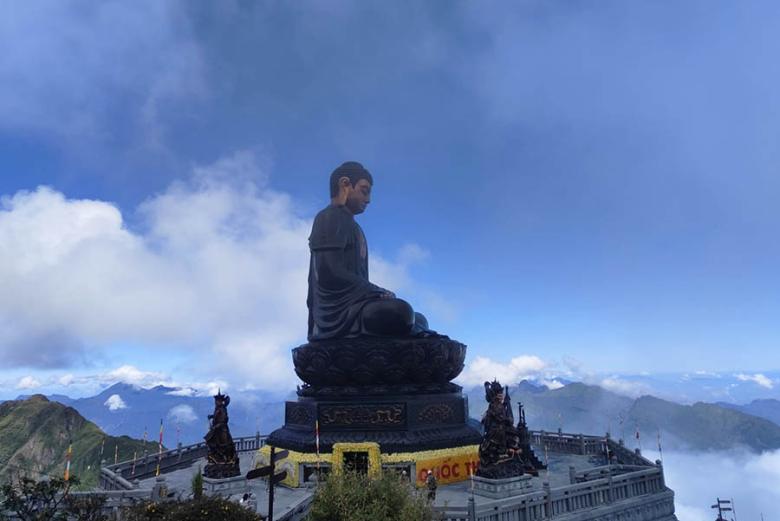
However, the most popular option is to take the cable car, which is the world’s longest non-stop cable car and features one of the greatest elevation differences from start to finish. The panoramic views from the top are extraordinary, enhanced by the presence of a dramatic giant Buddha statue.
Next stop: Ninh Binh
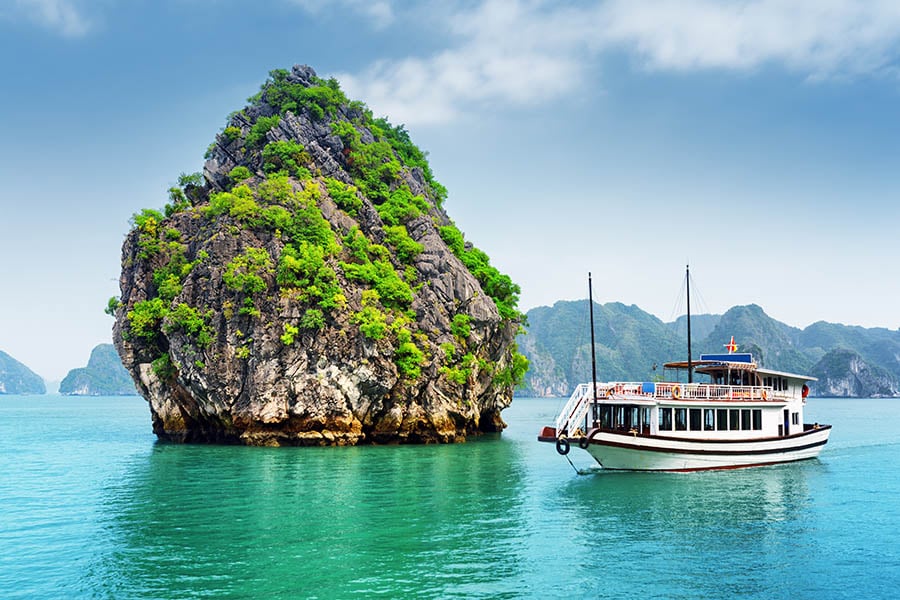
From Fansipan, you can head back toward Hanoi and continue to either Halong Bay or its quieter sister, Lan Ha Bay—both UNESCO World Heritage Sites known for their iconic limestone formations rising from the water.
If you prefer to explore Vietnam’s lush inland landscapes, Ninh Binh is a must-visit. Another UNESCO World Heritage Site, this region—often referred to as the “terrestrial Halong Bay”—is filled with emerald rice paddies and forested valleys. This was my next destination, and it exceeded every expectation.
Travelling through Tam Coc
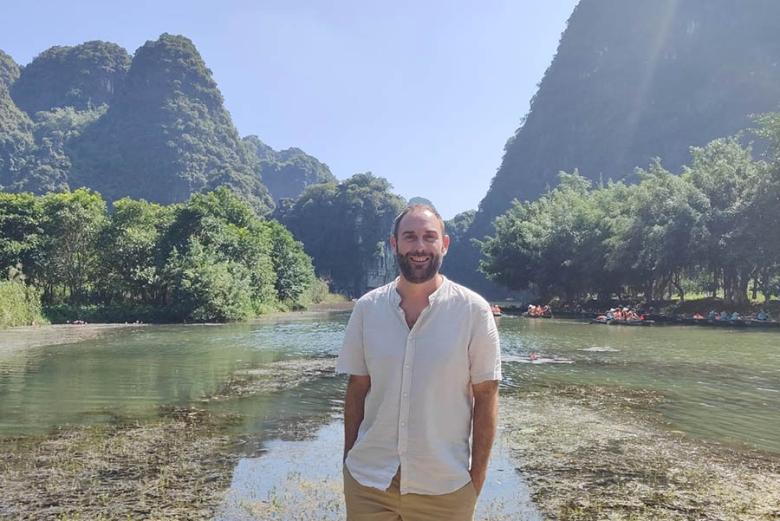
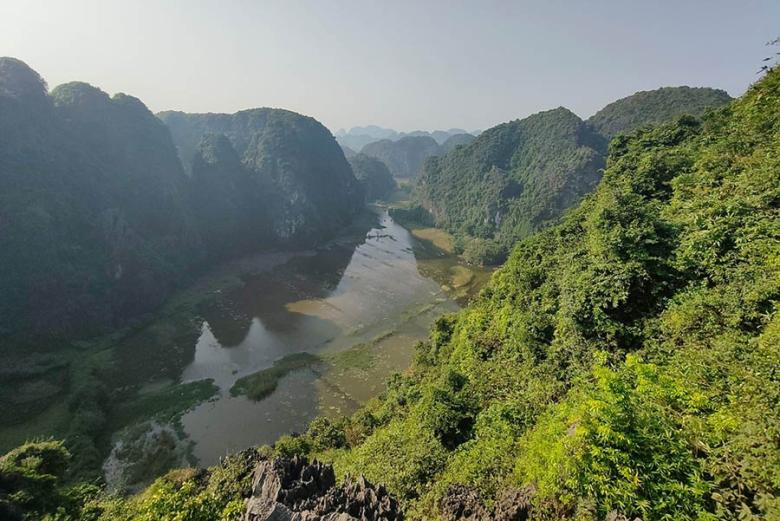
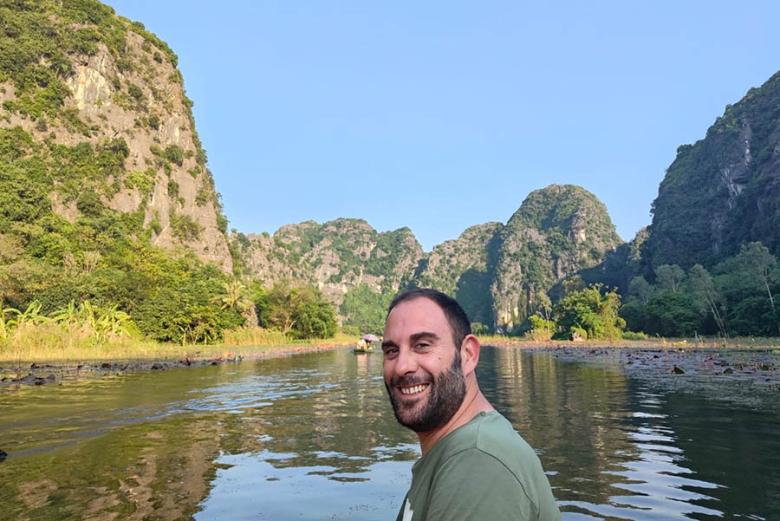
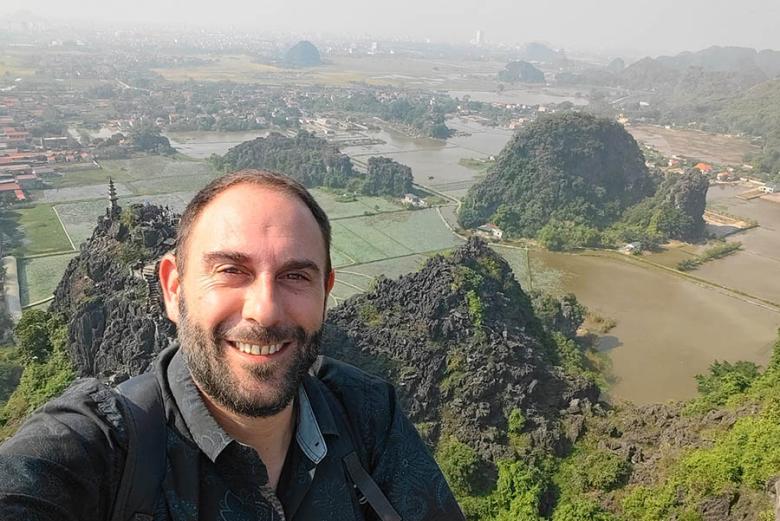
The most popular area in Ninh Binh is Tam Coc, and it truly is breathtaking. Towering limestone karsts emerge from vibrant rice paddies and winding rivers, creating scenery that feels almost otherworldly. Once considered a hidden gem, Tam Coc is now well-loved by active travellers looking for a peaceful break from Vietnam’s bustling cities.
Tam Coc stole my heart immediately. It’s beautiful, laid back, and filled with intriguing sights—pagodas, ancient temples, and countless scenic viewpoints. I rented a bicycle to explore the mostly flat terrain, which made getting around effortless.
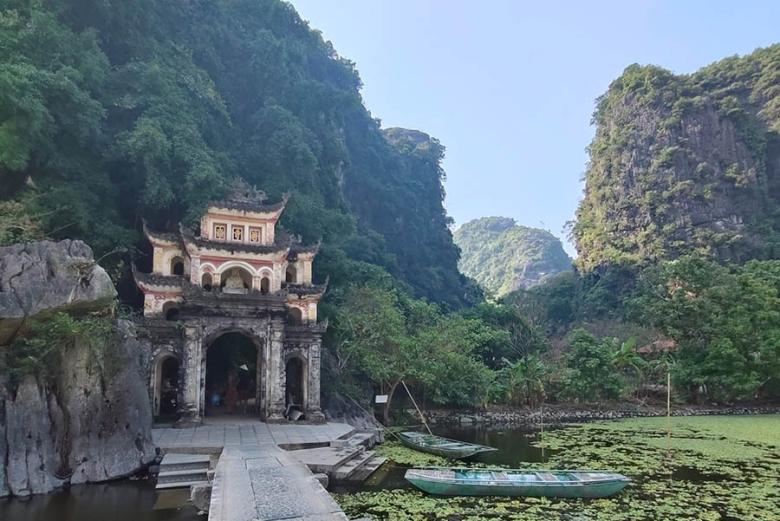
Don’t miss taking a traditional river cruise. The boats are powered not by motors but by the rower’s feet, allowing you to soak up the quiet charm of the waterways. You’ll float through water caves and learn about the people who lived in these caves for centuries.
Late August to early September is peak season, when the rice fields glow gold across the valleys. It’s a stunning time to visit but expect more visitors and book several months in advance.
Getting around Vietnam
Vietnam remains a very affordable country to explore, with numerous transport options. Domestic flights from Hanoi to central and southern cities are ideal if you’re short on time. Buses are the most economical way to travel, with routes that extend across the entire country. You can choose between regular buses or VIP sleeper cabins that allow you to lie flat. I used sleeper buses from Hanoi to Sapa and then to Ninh Binh, and they worked perfectly for my schedule.
Flying from Hanoi to Hue
After exploring the far north, I flew from Hanoi to Hue, the ancient capital of Vietnam for nearly 200 years. Hue is a graceful city filled with historic temples and atmospheric mausoleums, offering meaningful insight into Vietnam’s past. Two days is enough to get a good feel for the city, and it makes a great base for exploring central Vietnam.
Ending in Hoi An
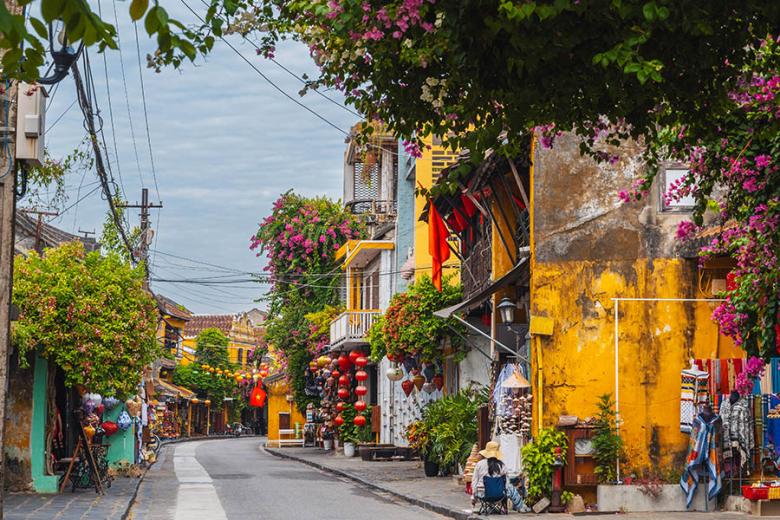
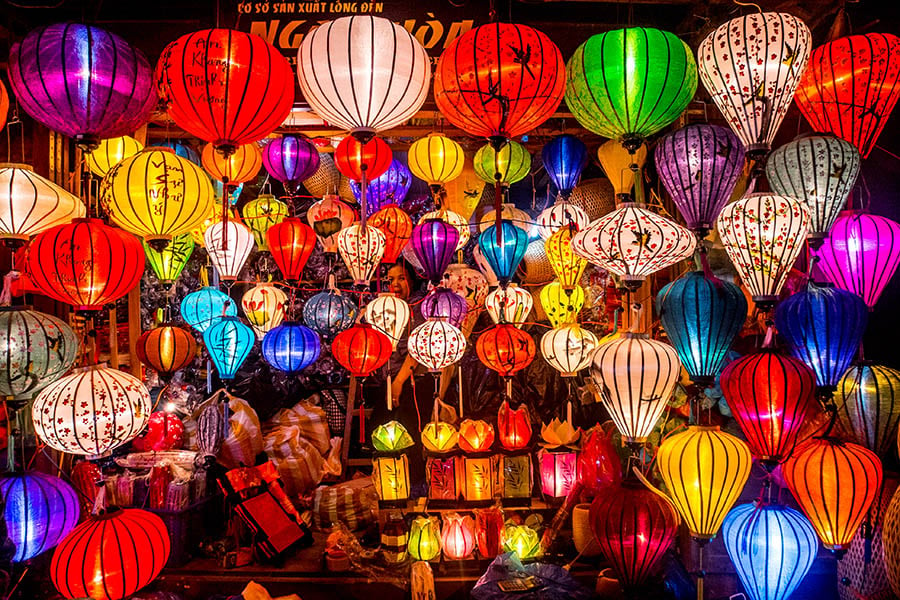
From Hue, I travelled to the final stop on my journey—Hoi An. This charming city is known for its colourful lanterns, talented tailors, and fascinating trading port history. It’s full of personality, with cosy coffee shops, incredible restaurants, and the beautiful beaches of An Bang are just minutes away.
Hoi An’s ancient town is wonderfully walkable, with narrow streets and riverside paths lined with museums, temples, craft shops, and skilled tailors. It’s a delightful place for travellers of all ages, and I recommend spending a few days here —or even a full week—soaking it all in.
My thoughts about northern Vietnam
I was touched by the warmth and kindness of the Vietnamese people, and the food was delicious everywhere I went. If I had to choose one favourite destination, it would be Tam Coc. The scenery took my breath away, the pace was calming, and it gave me a true sense of peace. If you’re travelling through the north of Vietnam, don’t miss the opportunity to go inland—the country’s green heart is spectacular.
Ready to explore Vietnam?
We’re specialists in creating tailor-made trips to Vietnam, complete with unforgettable personal touches. We’ll work with you to design a holiday of a lifetime, including flights, boutique accommodation, and authentic local experiences. To get started, simply call us on 1273 320 580 or request a personalised quote.
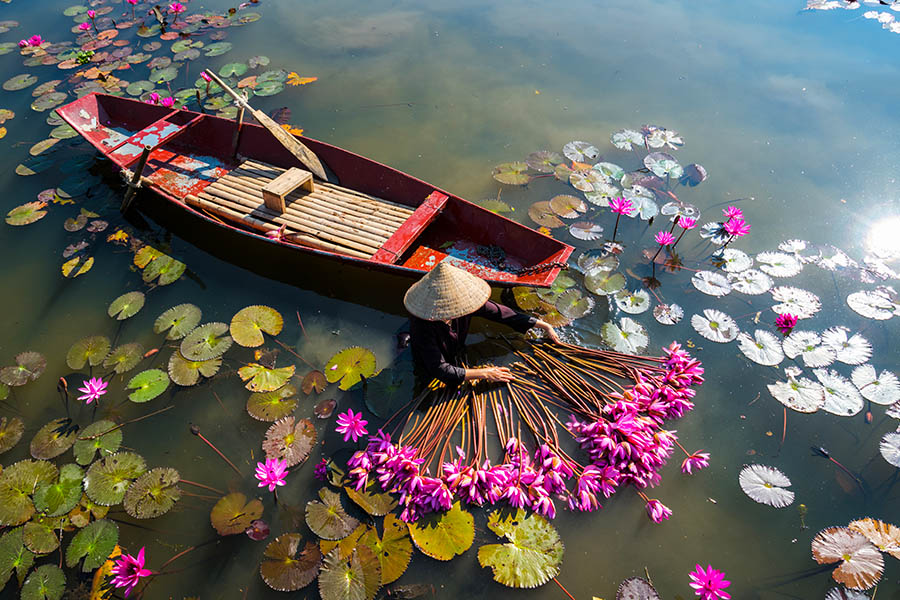

When is the best time to visit Vietnam?

Bryony Dunn
Marketing Manager
at Travel Nation
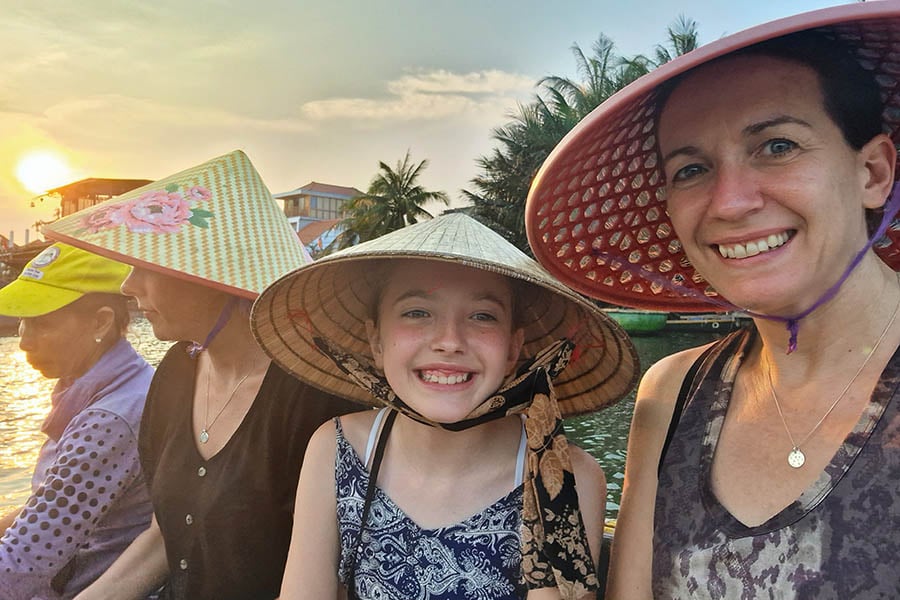
Our brilliant family holiday to Vietnam

Andrea Motta
Senior Travel Consultant
at Travel Nation

Why choose Vietnam Airlines business class?

Gray Baker
Senior Travel Consultant
at Travel Nation

More from
Audric...