When is the best time to visit Vietnam?

TripBlogs
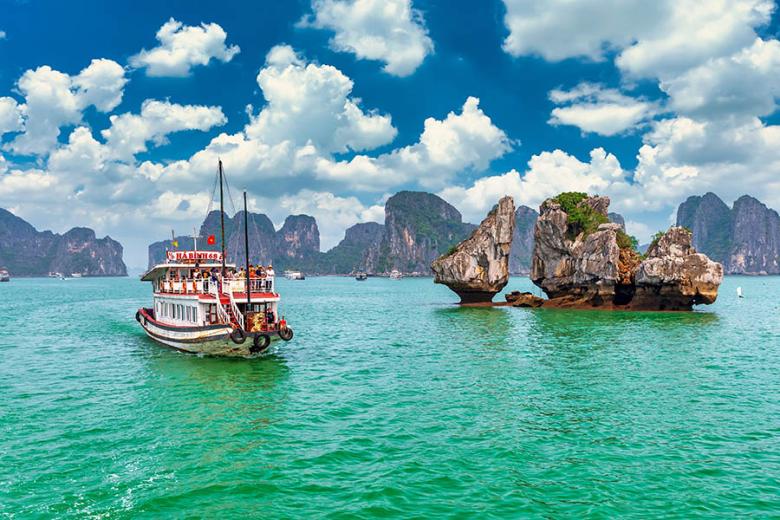
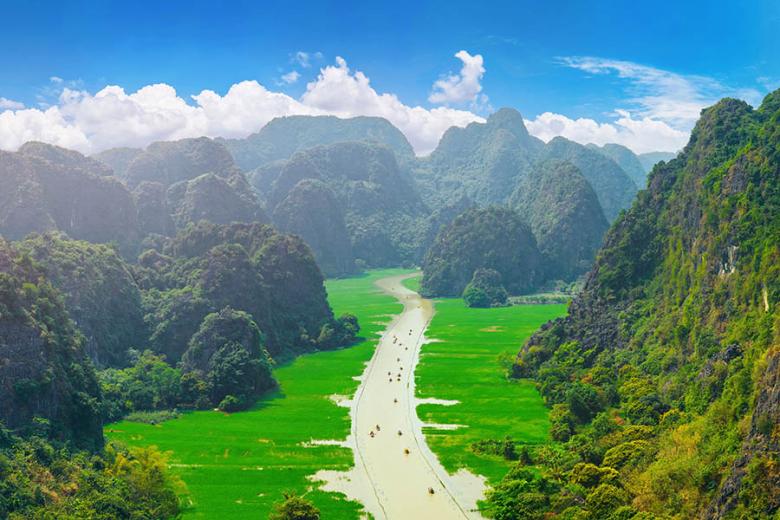
Home to ancient temples, buzzing cities, golden beaches and emerald rice terraces, Vietnam is a world-class destination with something for everyone. It’s brilliant for travellers of all ages, and its popularity keeps on growing. Sail between the limestone karsts of Halong Bay, zip through the streets of Hanoi on a scooter tour, and sip strong Vietnamese coffee beneath the colourful lanterns of Hoi An.
But when is the best time to visit Vietnam? It’s one of the questions we’re asked most often – and there’s no single right answer. Vietnam is a long, narrow country stretching over 1,600 kilometres, from tropical islands in the south to lush mountains in the north. Broadly speaking, there are three main weather regions – north, central and south – and they’re rarely in sync.
Think outside the seasonal box
The upside of these varied climates is that Vietnam is genuinely a year-round destination. It’s extremely unlikely that you’ll see a complete washout from north to south on one trip.
The peak tourist season runs from December to March, when conditions are generally driest overall. However, if you’re happy to embrace the odd shower, travelling outside this window can be hugely rewarding. We’re big fans of bucking the trend and visiting in late April and May – and here’s why.
A snapshot of Vietnam’s weather systems
In the mountainous north – a magnet for trekkers – the best conditions are usually in spring (March and April) and autumn (September to November), when it’s warm and dry. In the south, the dry season typically runs from December to May, while central Vietnam tends to be driest in July and August.
As a rule, it’s almost always sunny somewhere in Vietnam, but rarely sunny everywhere. Wherever you go, it’s wise to be prepared for a little rain. With so many regional variations, working out the “best” time to visit can feel complicated – but it doesn’t need to be, especially with a bit of expert guidance.

Vietnam’s rainy season
Vietnam’s rainy season is often described as running from May to November, but that’s a broad-brush definition. In northern Vietnam, the rains technically begin in May, but the heaviest downpours usually arrive in July and August. In Central Vietnam, the wettest months are September, October and November. Storms here can last several days and sometimes cause flooding in hotspots such as Hoi An.
In Vietnam's southern region, the monsoon typically peaks from June to September, bringing short, sharp afternoon showers rather than days of continuous rain. Even in the “rainy season”, you’re likely to see a mix of sunshine and showers, rather than endless grey skies.
The most popular time to visit Vietnam
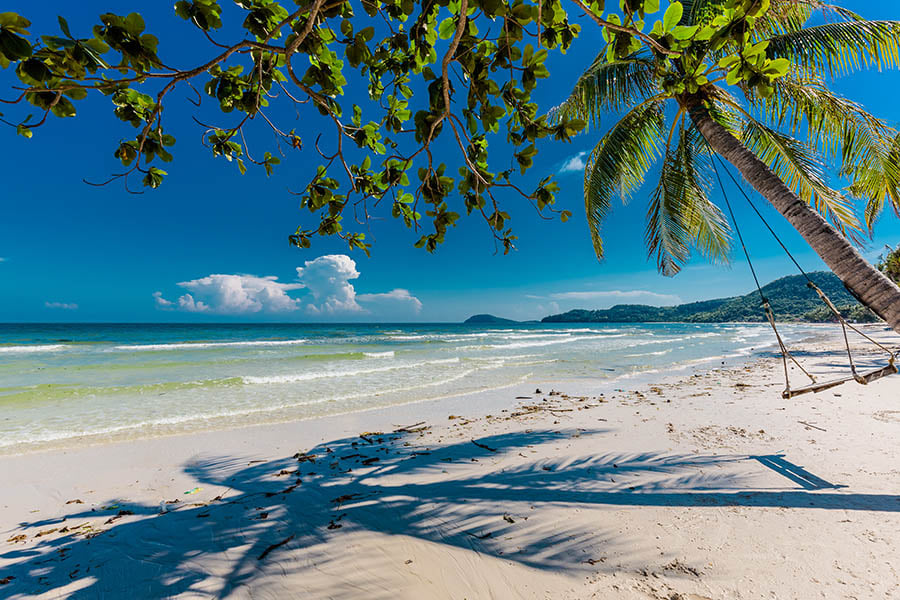
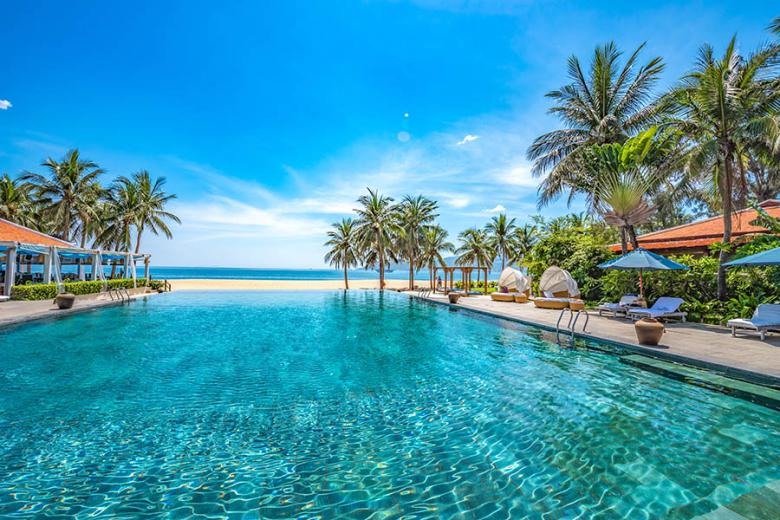
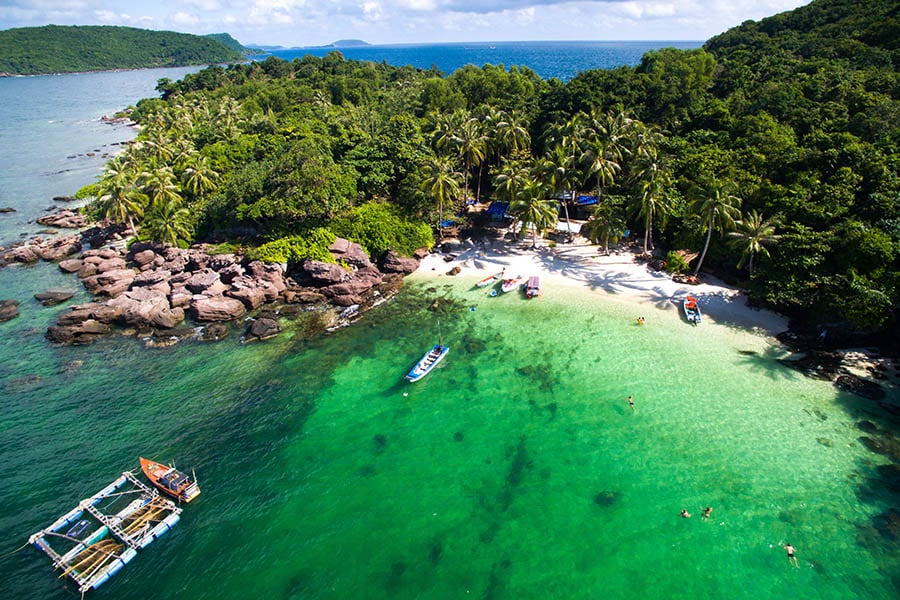
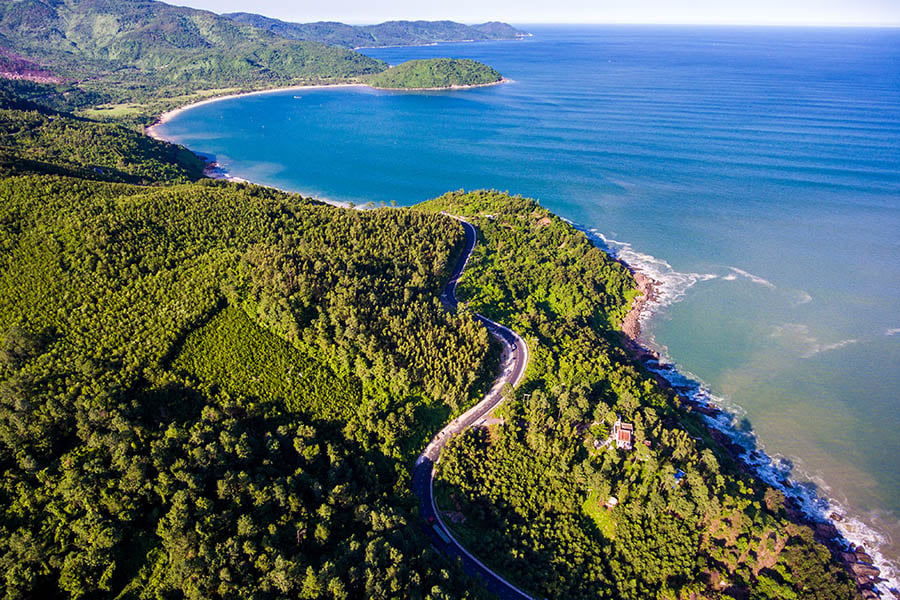
Most international visitors travel between December and March, widely considered the overall dry season. It’s a wonderful time for sightseeing, and ideal for catching the sunshine on Phu Quoc or along the beaches of central Vietnam.
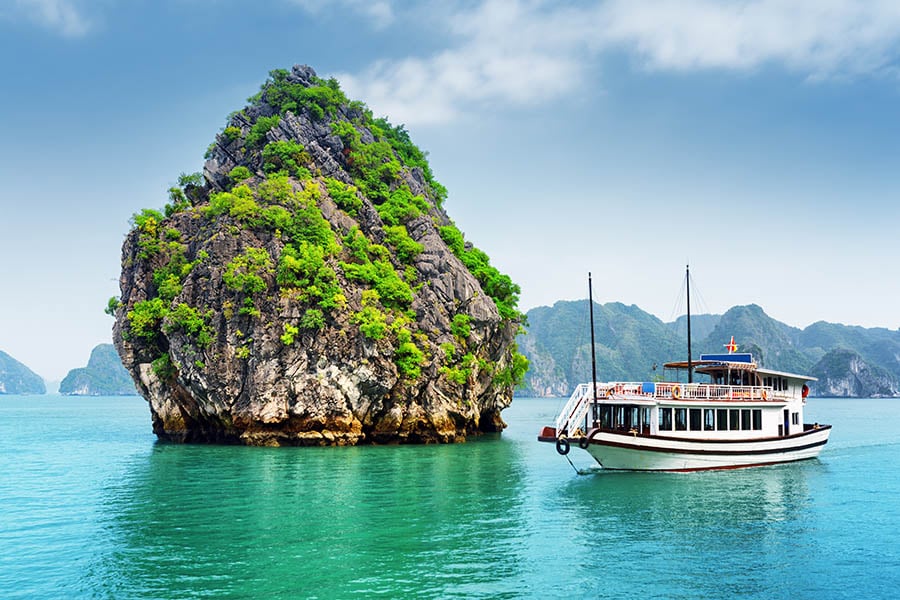
However, temperatures in the far north can drop sharply in December and January, especially around Sapa, so it’s worth packing a warm layer. It’s also important to note that Halong Bay can be foggy in January and February, which can limit views of the famous limestone peaks.
The reality of visiting Vietnam in peak season
There’s no doubt that December to March is a great time to travel the length of Vietnam – but it does come with a few trade-offs. You’ll need to book early to secure the best hotels, domestic flights, trains and tours, as they can sell out quickly. You should also expect peak prices for both international flights and accommodation. Key highlights such as Hoi An and Halong Bay can feel busy, and popular beaches are livelier than at other times of year.
Travelling during Tet
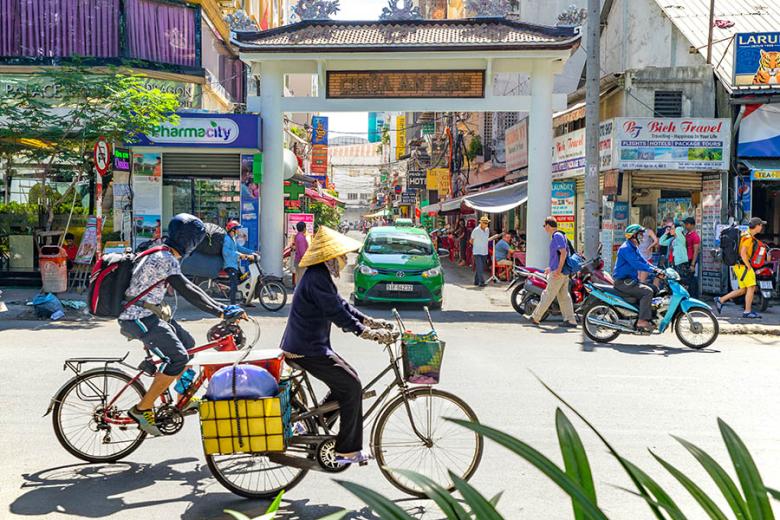
Tet (Lunar New Year) is Vietnam’s most important festival and usually falls in February. In 2026, Tet runs from 10 February to 3 March, with different celebrations on different days within this period.
Tet is very family-focused, so many Vietnamese people travel across the country to their hometowns. Trains, buses and flights fill up fast, and accommodation prices rise. Many museums, local restaurants and tourist attractions close for some (or all) of the festival, so it’s not the most convenient time for first-time visitors or intensive sightseeing.
Our favourite time to visit Vietnam
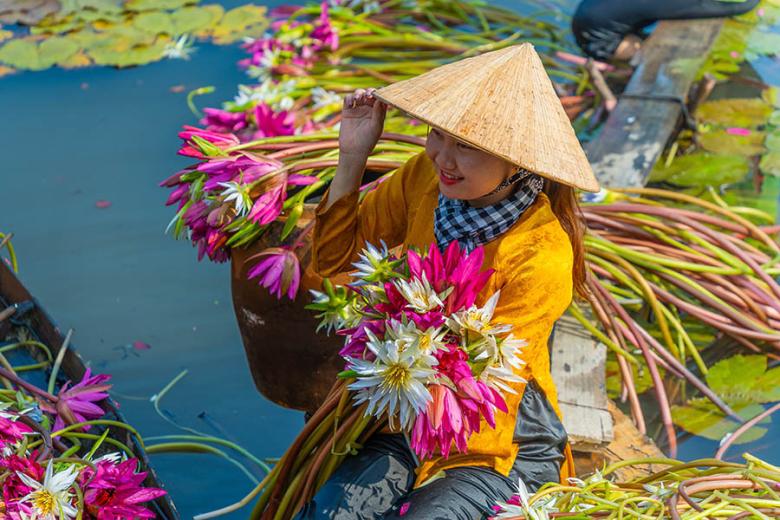
In our opinion, the very best time to visit Vietnam is late April and May. These shoulder season months tend to fly under the radar – and that’s exactly why we love them. By the second half of April, peak-season prices have eased off, trains and flights are less busy, the main sights feel less crowded, and the weather is usually every bit as good. It’s a brilliant time to experience a more relaxed side of Vietnam at a gentler pace.
Why we love Vietnam in late April
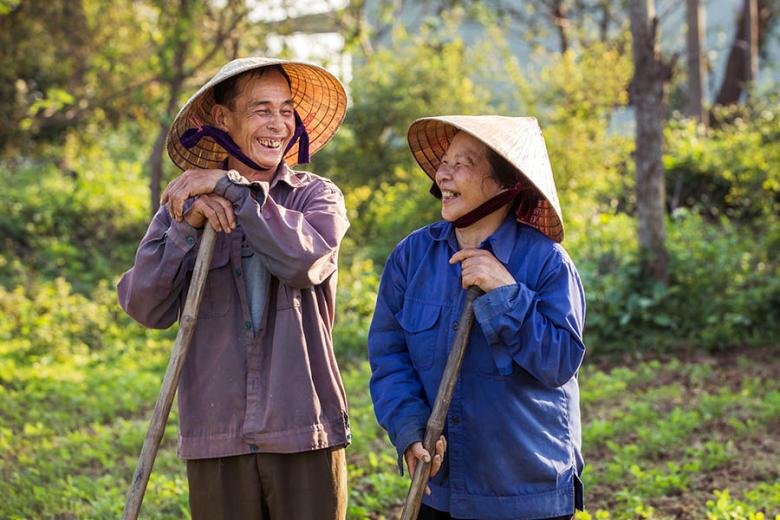
For us, late April is a real winner. High season usually winds down after Easter, but you’ll still enjoy beautiful weather. Across much of the country, you can expect dry, sunny days, moderate temperatures and relatively low humidity – an ideal combination for exploring.
You might encounter the odd isolated shower during the last two weeks of April, but these are typically short-lived and bring some real benefits. The countryside bursts into life, turning the rice terraces and northern mountains vivid green, and waterfalls are fuller and more dramatic. The haze often lifts over Halong Bay, revealing those picture-perfect views in all their glory.
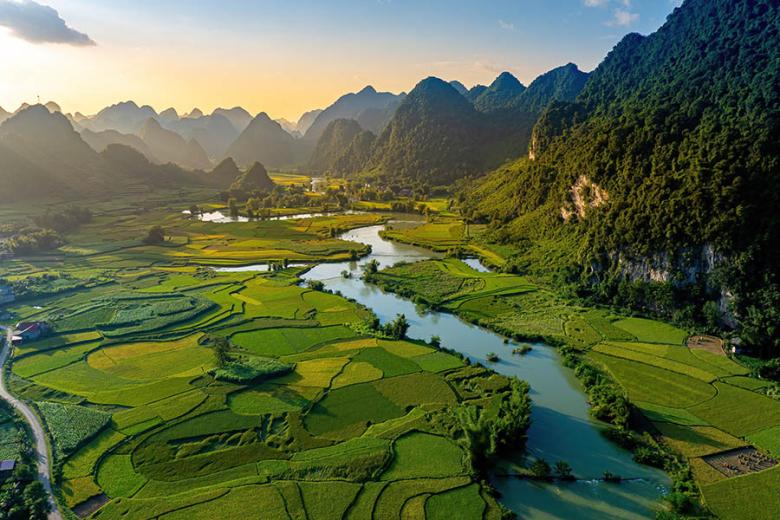
The magic of Vietnam in May
We think May is a real sweet spot – a fantastic time to visit Vietnam. May is often labelled the start of Vietnam’s “rainy season”, but in reality, rainfall is only just beginning to pick up. It’s not peak wet season in any of the three main regions, so while you may see occasional showers, they’re unlikely to affect your trip in any significant way.
The beaches in the south are generally sunny, with short afternoon thunderstorms that give you the perfect excuse for a siesta or a quiet hour with a cocktail and a good book. You can expect reliably sunny weather along the central coast, with only occasional showers in the cooler highlands around Dalat. Northern Vietnam is mostly dry, especially in the first half of the month, making it a great time for trekking around Sapa and cruising through Halong Bay.
What we love most about May is the slower pace and extra breathing space. Tourist numbers drop noticeably, so sightseeing feels calmer, trains and planes are less crowded, hotels have more availability, and prices are often significantly lower. Yes, you may get caught in the odd shower – but for us, the trade-off is more than worth it.
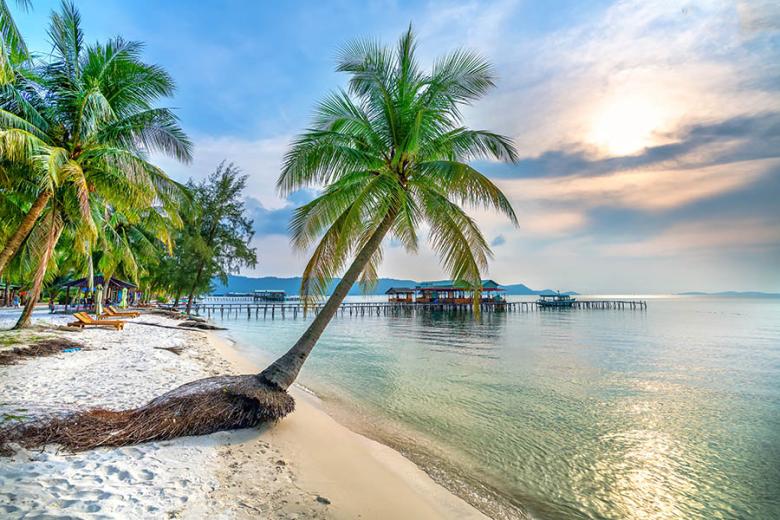
Vietnam is always a good idea
Whatever month you choose, Vietnam serves up warm hospitality, fascinating culture, mouth-watering cuisine and spectacular scenery. While we have a soft spot for April and May, every season has its own rewards – and a tropical downpour rarely dampens the magic for long. This is a country that will sweep you off your feet, rain or shine.
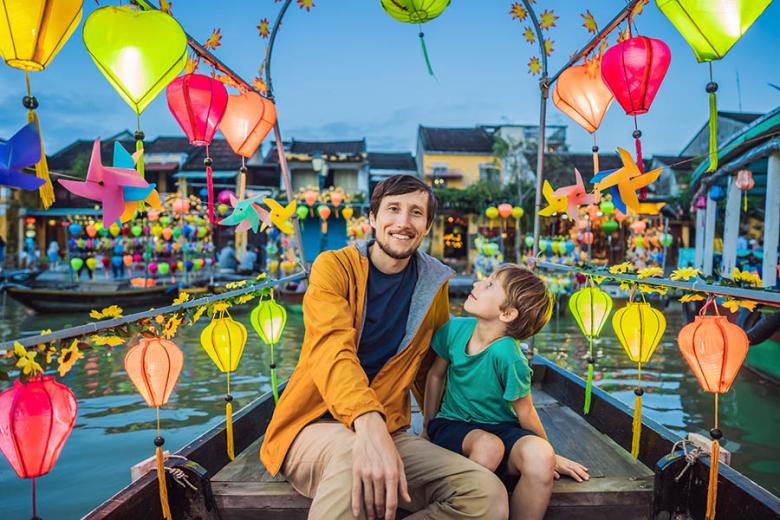
Exploring Vietnam with Vietnam Airlines
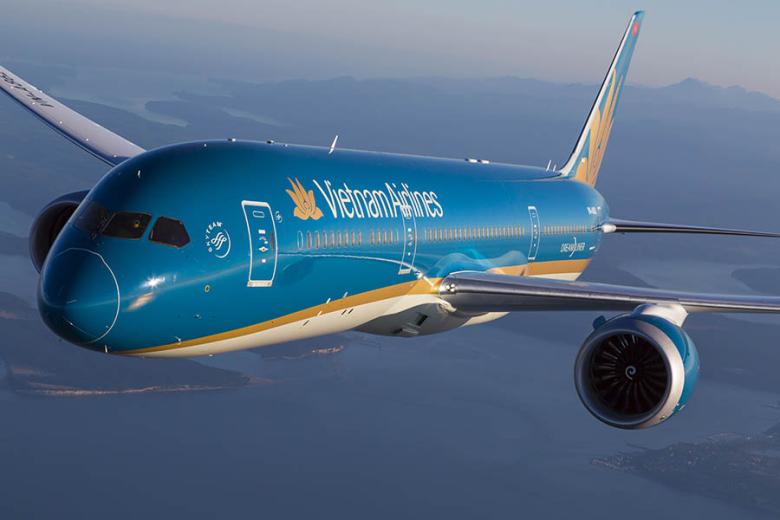
Vietnam Airlines is the only carrier offering direct flights from London to Vietnam, with non-stop services to both Ho Chi Minh City and Hanoi. This makes it easy to arrive in the south and depart from the north (or vice versa), which is ideal if you’re keen to travel the length of the country.
The airline also operates domestic routes to over 20 destinations within Vietnam, putting everything from island beaches to mountain towns within easy reach. If you’re planning a bigger adventure, Vietnam Airlines offers seamless onward connections across Asia and Australasia, making it simple to build a multi-country itinerary.
Ready to plan your trip to Vietnam?
We’ve been designing tailor-made holidays to Vietnam for over two decades, from family adventures and luxury honeymoons to unforgettable solo journeys. Our specialists have travelled extensively across the country, so we can offer honest, first-hand advice on where to stay and what to do.
We’ll help you put together a trip of a lifetime, with international flights, carefully chosen boutique hotels, local transport and authentic cultural experiences all taken care of. To start planning your Vietnam holiday, simply give us a call on 1273 320 580 or send us a quote request by email – we’ll take it from there.
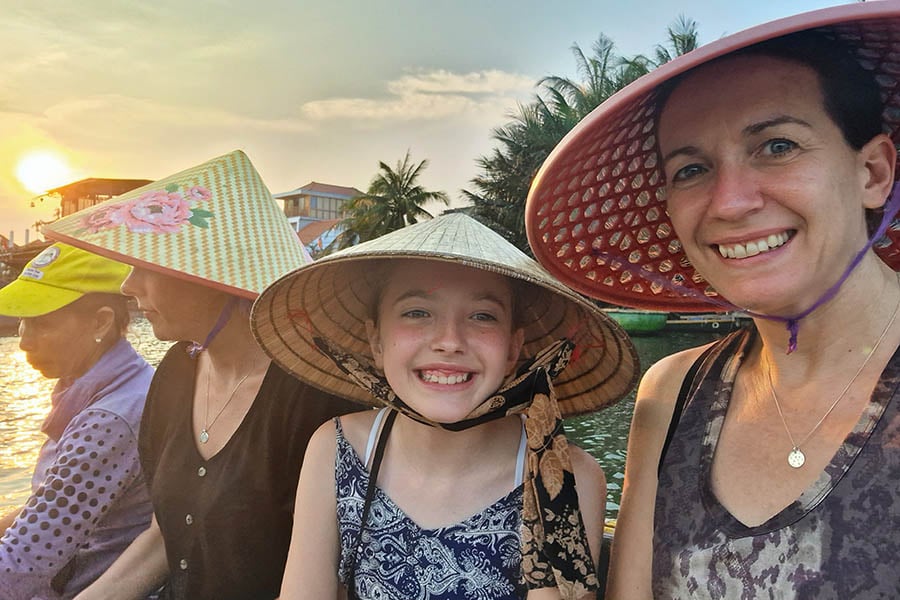
Our brilliant family holiday to Vietnam

Andrea Motta
Senior Travel Consultant
at Travel Nation
6 places to visit in Vietnam from north to south

Claire Parsons
Travelling friend
at Travel Nation
7 Asia honeymoons to inspire your romantic trip
Claire Parsons
Travelling friend
at Travel Nation
About the author Bryony Dunn
Marketing Manager
Bryony is an explorer in every sense of the meaning. In 2013 she took the plunge, quit her marketing job and decided to face down her lifelong panic disorder to begin life as a freelance digital nomad. Journeying all over Asia, for years she earned her keep writing for travel brands. Almost by accident, she ended up in Cali, Colombia where she discovered a remarkable (as yet latent) talent for Salsa dancing. After spending a year in sequins shimmying from dance show to dance show, she returned to the UK, tanned, toned and ready to settle down. Bryony joined Travel Nation as a round the world specialist in 2016 and is now the Marketing Manager, with a little salsa on the side.