India's golden triangle in a week
- Image
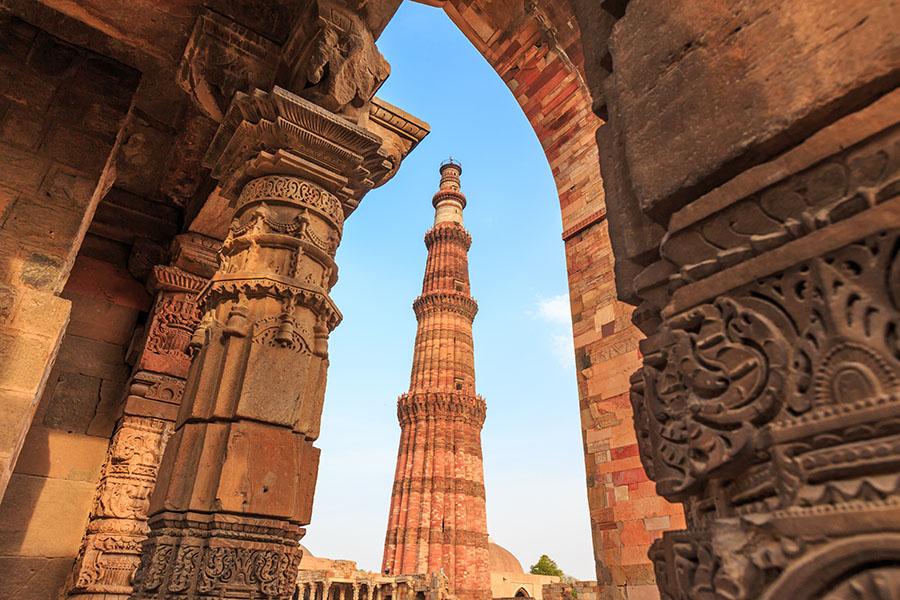 Admire the spectacular Qutub Minar in Delhi
 - Image
 Explore the Taj Mahal complex in Agra
 - Image
 Admire the pretty temple of Hawa Mahal in Jaipur
 - Image
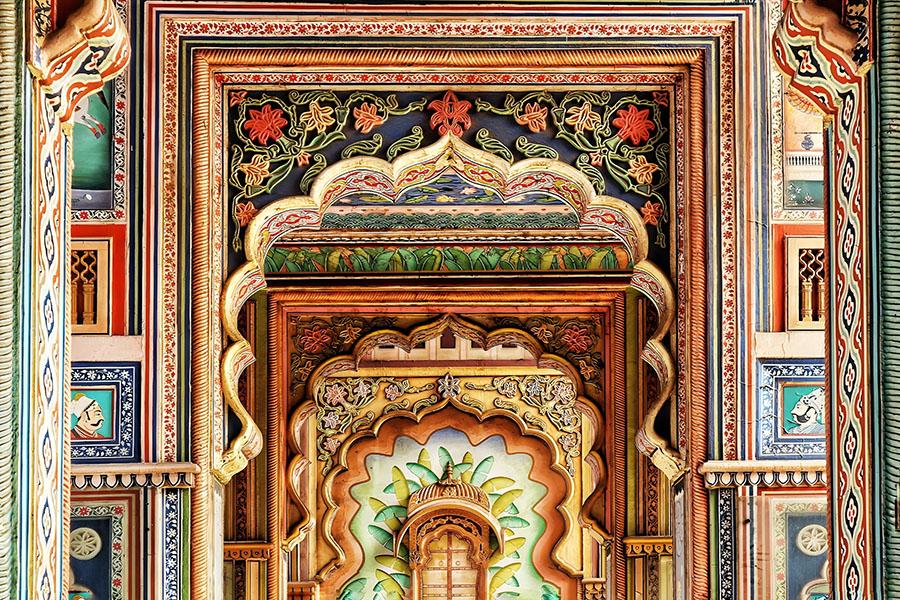 Admire the intricate beautify of the Patrika Gate in Jaipur | Travel Nation
 - Image
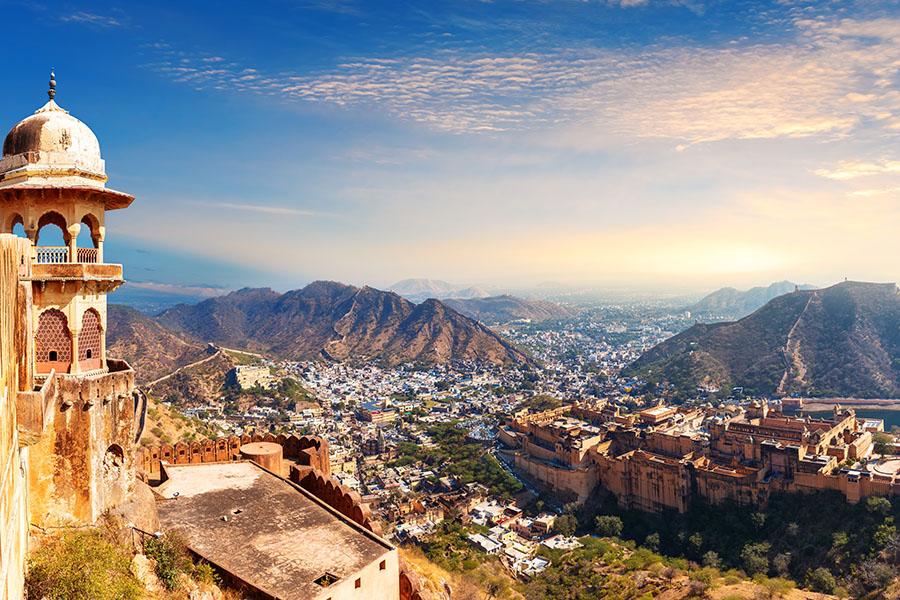 Enjoy scenic views from the Amber Fort in Jaipur
 - Image
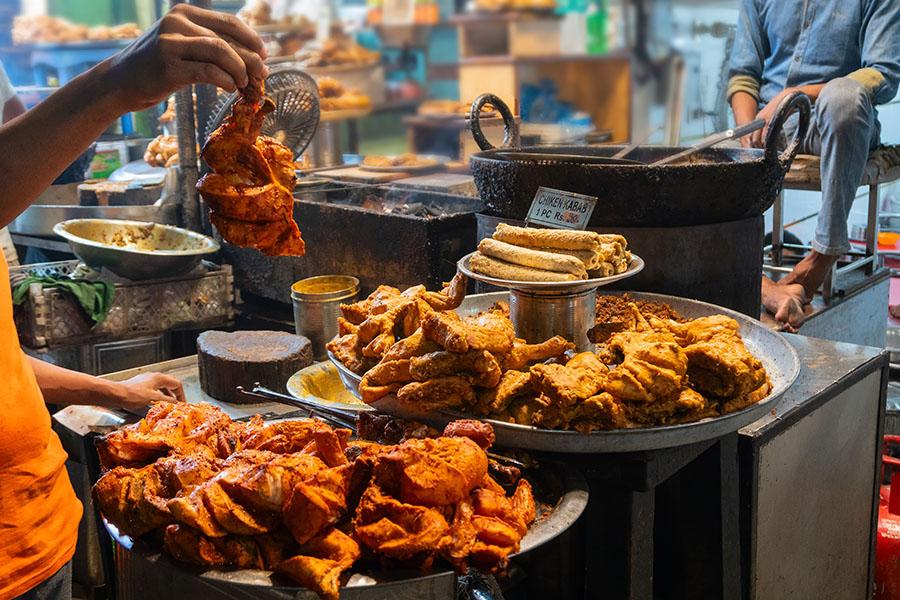 Taste the delicious street food in Delhi
 - Image
 Gaze up at the beautiful Taj Mahal in India
 - Image
 Admire the India Gate in Delhi


- Image Admire the spectacular Qutub Minar in Delhi
- Image Explore the Taj Mahal complex in Agra
- Image Admire the pretty temple of Hawa Mahal in Jaipur
- Image Admire the intricate beautify of the Patrika Gate in Jaipur | Travel Nation
- Image Enjoy scenic views from the Amber Fort in Jaipur
- Image Taste the delicious street food in Delhi
- Image Gaze up at the beautiful Taj Mahal in India
- Image Admire the India Gate in Delhi
Trip ideas
Duration(in days): 8
From: Delhi
To: Delhi
From
£1,220
Exc. International flights (per person, based on 2 sharing)
or Call 01273 320580
See more ideas for: India
Overview
Explore the iconic Golden Triangle in India on this week long adventure. Start in Delhi, where you’ll admire the incredible monuments of the Qutab Minar and Humayun’s Tomb, before heading to Agra. Watch the sun rise over the Taj Mahal and stop in at the abandoned imperial city of Fatehpur Sikri before continuing your journey to Jaipur. Here you'll wander through the spice markets, gaze up at the unique architecture and watch artisans at work in the creative hub of Rajasthan.
This itinerary is purely a suggestion, and can be tailor-made to your requirements, so please contact us with your dates and requests and we’ll put together a bespoke quotation for you.
You'll remember...
- Your first taste of delicious local street food in Delhi
- Gazing up at the incredible Qutub Minar and Humayun’s Tomb
- Watching the changing sunrise colours over Taj Mahal
- Admiring the spectacular architecture of Jaipur
- Strolling through vegetable and spice markets
Itinerary
Day 1: Arrive Delhi
On arrival in Delhi, you’ll be met at the airport and driven to your hotel, checking in for two nights.
Included: Transfers, 4* hotel
Day 2: Delhi
You’ll spend your first morning in India exploring Old Delhi, a maze of crowded markets and tiny shops, crammed with some of the oldest businesses in the city. You’ll explore with a renowned chef, visiting around 8 different food spots, tasting some of the city’s best street food and learning about the different cultures and traditions that have created such delicious cuisine.
Spend the afternoon in the contrasting New Delhi, an area designed by the British in the 1920s - it’s home to government buildings set along wide boulevards and green parks and gardens. Visit monuments including the Qutub Minar, and Humayun’s Tomb, and drive past the impressive India Gate, a popular hangout for locals.
Included: Breakfast, guiding, 4* hotel
Day 3: Delhi to Agra
After breakfast in Delhi, you’ll be driven to Agra where the Taj Mahal awaits. After the four hour drive, you can relax at your hotel in the afternoon. In the evening you’ll head off on a Mughal Heritage walk, followed by a visit to Mehtab Bagh. You’ll walk though the village and meet the locals who live in the shadow of the Taj Mahal. You’ll chat to one of the village boys, enjoying chai and a pakora on the rooftop of a nearby house overlooking in the monument and learn about how tourism has benefited the local community. The money from this tour all goes to the village, providing education for women, initiatives for children and sanitation for the whole community.
Included: Breakfast, guiding, transfers, 4* hotel
Day 4: Agra Fort & the Taj Mahal
An early start this morning will get you to the Taj Mahal for sunrise. Spend the morning exploring this mighty building. As you learnt a lot about the history of the mausoleum last night, today you’ll be free to wander through the complex alone and really soak up this awe-inspiring wonder of the world. Built by an emperor in memory of his beloved queen, it took 18 years to complete, with craftsmen working around the clock on the intricate and romantic design.
With perfect proportions and distinct femininity, legend says that once the construction was completed, Shan Jehan ordered the architect’s hands cut off, and blinded, so he would never be able to duplicate the structure.
In the afternoon you’ll visit Agra Fort, where you’ll wander through the chambers of this ancient royal residence. The country was once governed from here, as well as containing the largest treasury and mint. Dignitaries and ambassadors from far off lands would be brought here, each one participating in the history of India.
Included: Breakfast, guiding, transfers, 4* hotel
Day 5: Drive to Jaipur
Leaving Agra behind, you’ll be driven towards Jaipur, stopping to visit Fatehpur Sikri, an incredible imperial city built during the Mughal dynasty. The majestic building is made of red sandstone and is completely abandoned, but in amazing condition considering its age. After exploring, you’ll arrive in the Pink City, checking in for three nights.
Included: Breakfast, guiding, transfers, 4* hotel
Days 6 & 7: Jaipur
You’ll have two days to enjoy and explore beautiful Jaipur. On your first morning, you’ll head out to visit the Amber Fort -this marvellous example of Rajput architecture is made up of terraces and ramparts, all a rich terracotta colour that is reflected beautifully in the lake below. Each room within the royal halls is decorated with intricate ivory artwork and exquisite murals, really showing off the pomp and grandeur of a kingdom that was never conquered.
In the afternoon you’ll take a tour of the city – starting at the City Palace Complex, you’ll learn about the local styles of paintings as well as the royal family that still lives in parts of the palace. In the Maharaja Sawai Man Singh II Museum, you’ll find the Mubarak Mahal. Built in the nineteenth century, you’ll be able to view a huge range of textiles and costumes, including rare pashmina shawls, Benaras silk saris and folk embroidery. Across the road, you’ll look around the famous Jantar Mantar, one of the five observatories in India. Built to indulge the passionate hobby of astronomy by the king, they created complex astronomical instruments made of stone, which still provide accurate information on the heavens above, to this day. It’s a fascinating place to explore and learn about the twinkling skies above.
In the evening you’ll head to the spice market, exploring the narrow lanes and tiny shops, with colourful heaps of spices found round every corner. Stock up on spice mixes to make sure your curries at home are the best around.
On your second day you’ll explore Jaipur at dawn on an early morning tour, meeting locals as they start their day in the flower and vegetable markets. You’ll taste chai by the roadside, feast on tasty street food and visit a temple to enjoy a morning prayer ceremony, with hundreds of devotees from all walks of life. The rest of your day is yours to explore the city at leisure, or we can book in some extra experiences - you could enjoy dinner with a local family or head to a block printing class.
Included: Breakfast, guiding, 4* hotel
Day 7: Depart Delhi
Today you’ll head back to Delhi, arriving back at the airport in your afternoon, ready for your onwards flight.
Included: Breakfast, transfers
Info
The best time to visit India is generally between November and April, when the cooler season takes hold and the monsoon rains have ended. However, in such a large country, there are different microclimates within the other regions and each one can be vastly different. Read our blog, ‘When is the best time to visit India?’ to find out more.
This itinerary is purely a suggestion and can be tailor-made to your requirements, so please contact us with your dates and requests, and we’ll put together a bespoke quotation for you.
What's included
- Accommodation as mentioned in the itinerary
- Meals as mentioned in the itinerary
- Excursions as mentioned in the itinerary
- Return airport transfers
Not included
- Any meals not mentioned
- Personal expenses
- Tips & gratuities