Visit Mauritius, South Africa & India in 3 weeks
- Image
- Image
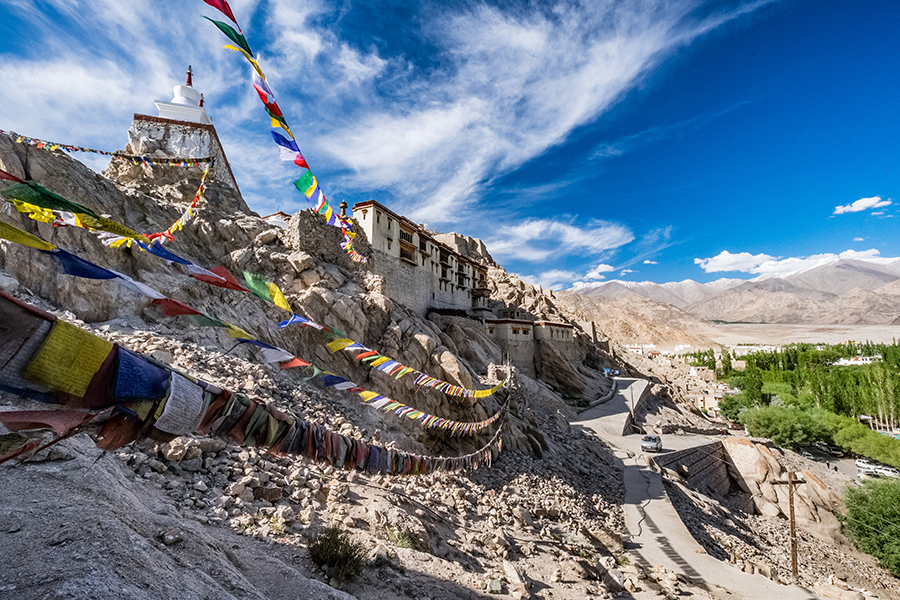
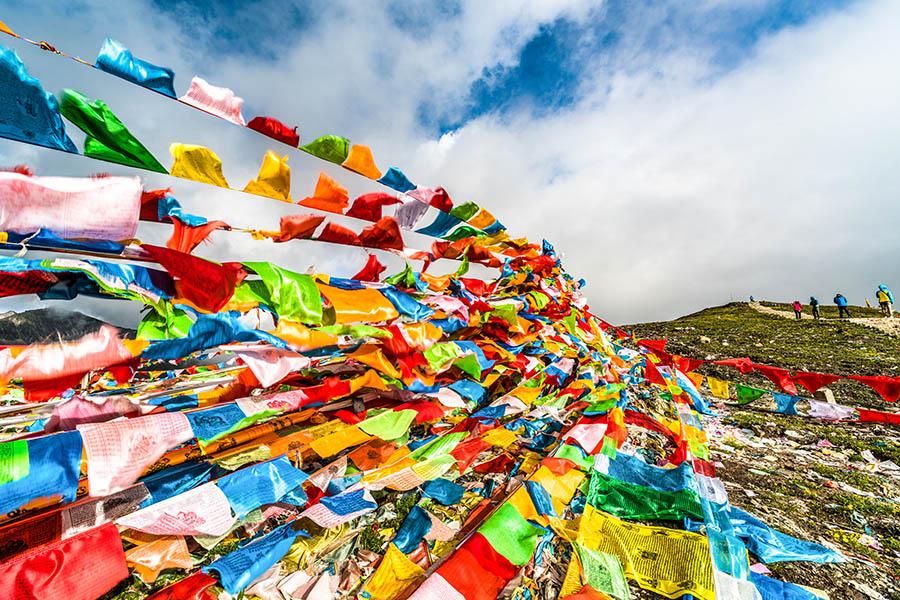 Explore Dharamsala, the spiritual home of the Dalai Lama
 - Image
- Image
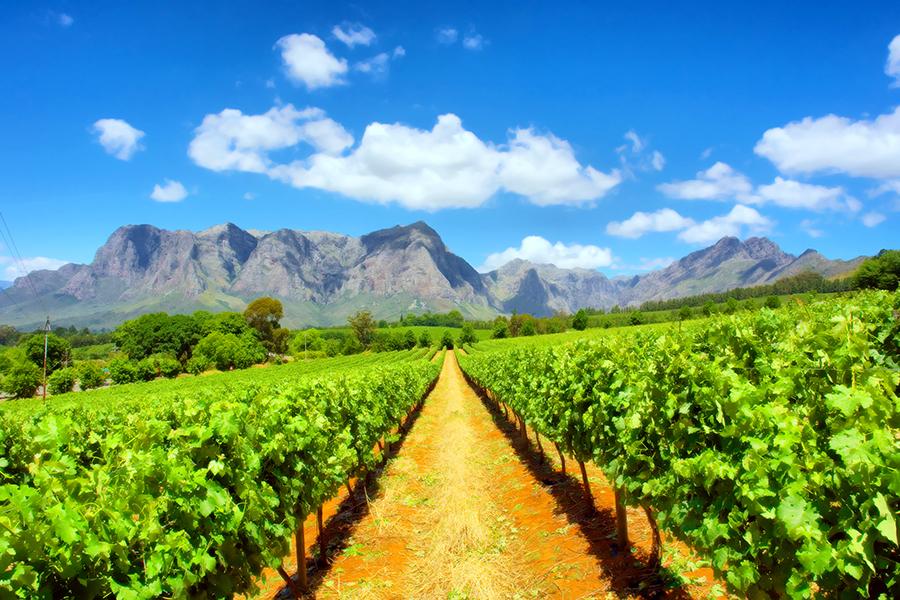 Winelands, Cape Town, South Africa
 - Image
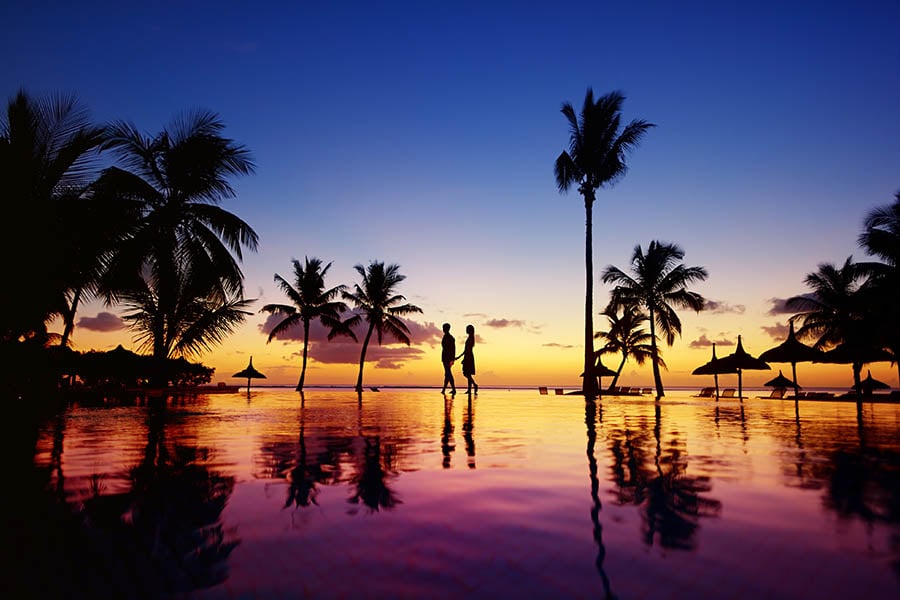
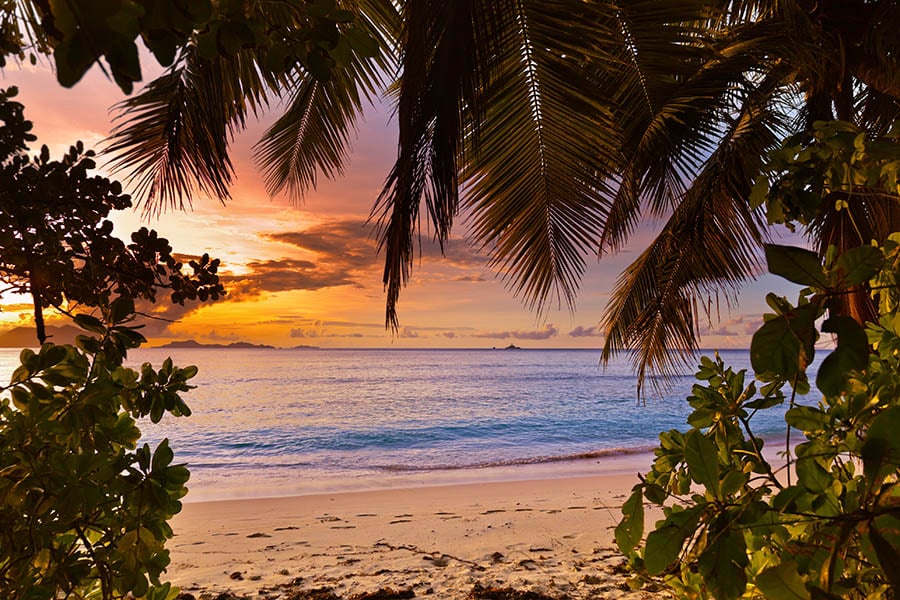
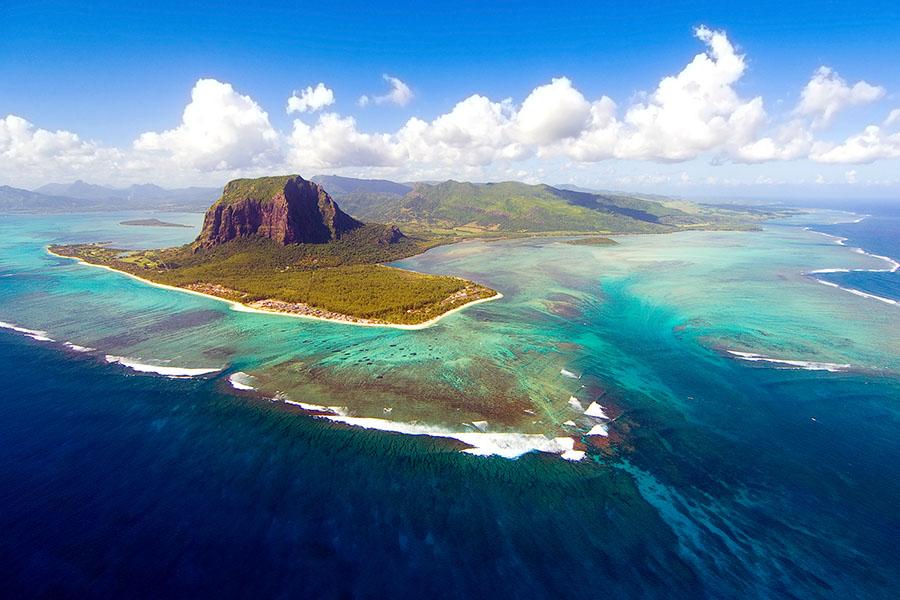
 Mauritius is rightly famed for its sapphire waters and powder-white beaches
 - Image
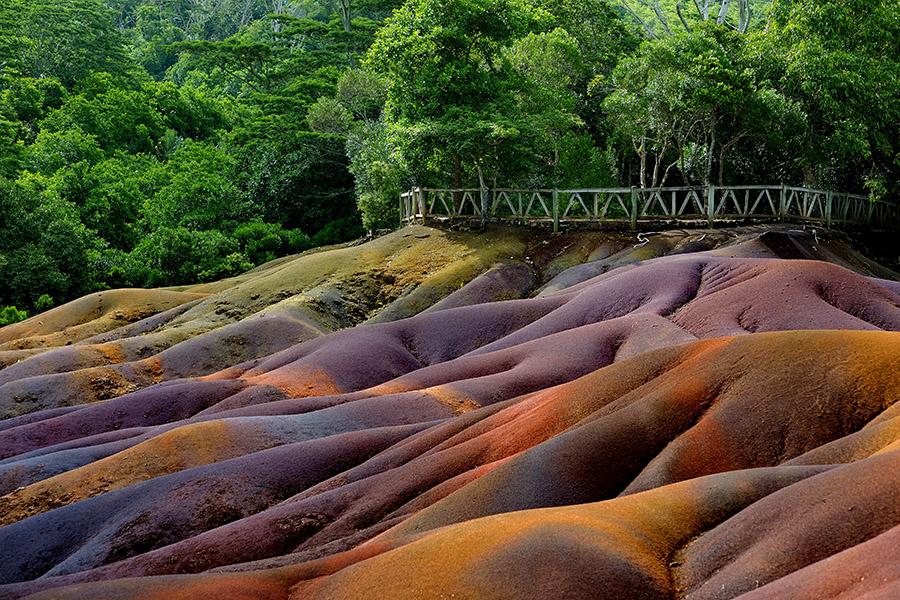 Discover the coloured molten rock of Chamarel
 - Image
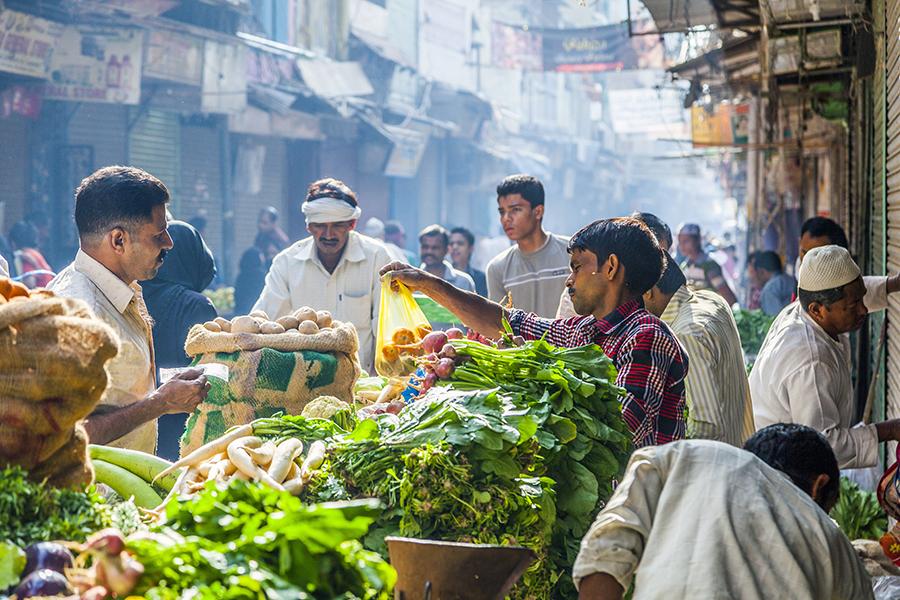 Local market, Delhi, India
 - Image
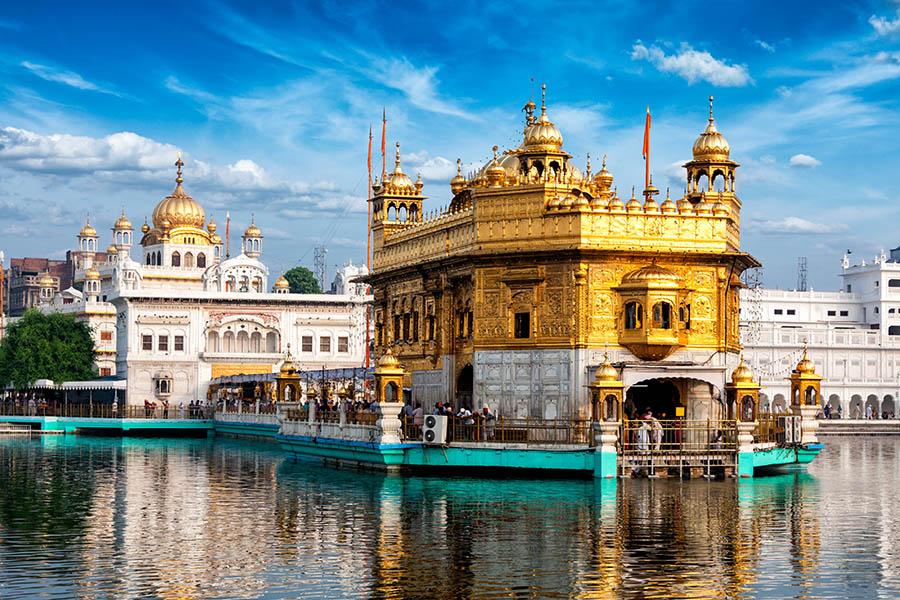 Visit the Golden Temple in Amritsar


- Image
- Image Explore Dharamsala, the spiritual home of the Dalai Lama
- Image
- Image Winelands, Cape Town, South Africa
- Image Mauritius is rightly famed for its sapphire waters and powder-white beaches
- Image Discover the coloured molten rock of Chamarel
- Image Local market, Delhi, India
- Image Visit the Golden Temple in Amritsar
Tailor-made holidays
Duration(in days): 25
From: UK – Delhi
To: Cape Town - UK
From
£6,475
Inc. International flights (Per person, based on 2 sharing)
or Call 01273 099433

See more ideas for: India | Mauritius | South Africa
Overview
Visit Mauritius, South Africa and India on this multi-centre holiday that combines Africa and Asia. Start in India, where you’ll take a train from Delhi into the cool northern mountains. Marvel at the Golden Temple in Amritsar, spot fluttering prayer flags above the mountains in Dharamasala and ride the famous toy train in Shimla. Next, fly to Mauritius, for a well-earned beach break. Think white sands, rum cocktails and lush peaks – this is paradise. Fly over to Johannesburg to finish your trip on a malaria-free safari; look for wild dogs in the vast bushland of Madikwe and watch giraffes graze on the treetops in Pilanesburg National Park. This is a fantastic trip across two continents.
This itinerary can be tailored to suit your requirements; please contact one of our consultants to start planning your dream trip.
This holiday includes
- International flights
- All transfers
- All accommodation in India, Mauritius and South Africa
- Excursions as mentioned in the itinerary
- Meals as mentioned in the itinerary
You’ll remember…
- the dawn light breaking over the Golden Temple
- Your journey on the toy train in Shimla
- tasting Mauritian rum in the sunshine
- the views over Cape Town from Table Mountain
- sipping a cold glass of wine in the vineyards
Itinerary
Itinerary in brief:
- 1 night Delhi
- 2 nights Amritsar
- 2 nights Dharamsala
- 2 nights Shimla
- 1 night Delhi
- 5 nights Mauritius
- 1 night Johannesburg
- 2 nights Cradle of Humankind
- 2 nights Pilanesburg National Park
- 2 nights Madikwe Game Reserve
- 1 night Johannesburg Airport
Day 1: Depart UK
Depart the UK from your chosen airport.
Included: International flights
Day 2: Arrive Delhi
On arrival in Delhi, you'll be met at the airport and driven to your hotel, checking in for one night. The rest of the day is yours to relax at the hotel and get ready for your adventure north.
Included: Transfers, 4* hotel
Day 3: Fly to Amritsar
After breakfast, you'll be taken to the airport for the short flight to Amritsar. The city has long been famous as a centre for the Sikh religion – according to legend, when the fourth Guru of the Sikhs Guru Ram Das heard about the healing powers of the pool, he ordered his son Guru Arjan Dev to erect a temple at the site. In 1588, the foundations of a city were laid which later became an emblem of Sikh culture and history.
Included: Breakfast, transfers, 4* hotel
Day 4: Amritsar
This morning you’ll start the day with a visit to the Golden Temple. You’ll walk through the old city and the bazaars, visiting the Jallianwala Bagh and the site of the 1919 civilian massacre, before arriving at Sri Harminder Sahib, also known as the Golden Temple. With gold leaf covering the entire structure, this is the Mecca of the Sikh religion. Unlike any religious structures, it is open from all sides and all religions are welcome to enter, meditate or just listen to the scriptures. Soaking up the atmosphere of such a special place is sure to be a highlight of your trip.
In the afternoon, you’ll visit the Wagah Border, the only crossing between India and Pakistan. The army outpost is around 30km from Amritsar and is a complex of buildings, roads and barriers separating the two countries. Here you’ll witness the ‘Beating the Retreat’ ceremony performed by the soldiers each evening. Soldiers from both India and Pakistan perform a flag march – the flags from both countries are brought down before the gates are opened and drills are performed.
Included: Breakfast, touring, 4* hotel
Day 5: Amritsar to Dharamsala
Today, you will set off with your driver across a spur of the mighty Dhauladar Mountain Range; through forests of pine, beautiful hills and tea gardens, this journey takes you north-east to Dharamsala, the residence of the Dalai Lama in exhile. The journey takes around 3 ½ hours and takes you through some stunning scenery – enjoy the ride into the foothills of the Himalayas.
Included: Breakfast, touring, 4* hotel
Day 6: Travel to Dharamshala
This morning you'll be driven to Dharamshala, across the fertile riverbeds of Punjab and into the rocky Himalayan foothills. Dharamshala is a hill station lying on the spur of the Dhauladhar range, surrounded by oak and conifer trees with snow-capped mountains enclosing three sides of the town and the Kangra valley stretching in front. The town is divided into two distinct areas – Lower Dharamshala and Upper Dharamshala is famous as the ‘Little Lhasa in India’ after Mcleodganj became the temporary headquarter of the Dalai Lama.
Included: Breakfast, touring, 4* hotel
Day 7: Dharamshala
Today you’ll head off to explore Dharamshala. You’ll start at McLeod Ganj – the home of the Dalai Lama since 1959 when he fled Tibet with thousands of other refugees. As Dharamshala became the headquarter of the Tibetan Government in exile, headed by Dalai Lama, it gained prominence all over the world & prominent personalities started arriving here. Mcleodganj emerged as a major Buddhist centre.
Afterwards you’ll visit the War Memorial, situated in Dharamshala town. The memorial is situated near the entry point to Dharamshala and commemorates the memory of those who fought valiantly in the war. The place is in a peaceful location in the pine forest and offers a very enjoyable walk-through the trees to get there. The rest of your day is yours to explore the town and enjoy the spectacular views of the Himalayas.
Included: Breakfast, touring, 4* hotel
Day 8: Travel to Shimla
After breakfast, you'll be driven out to Shimla. Shimla is the capital of Himachal Pradesh, discovered by the British in 1819 when it was part of the Nepalese Kingdom. The cool hills, snow-capped peaks and green pastures lead to it being declared the summer capital of India, with natural beauty and colonial heritage aplenty.
Included: Breakfast, touring, 4* hotel
Day 9: Shimla
This morning you’ll head out on a morning tour of Shimla to explore the town. Start on Mall Road, the heart of Shimla, where the streets are lined with shops, and you’ll find the Christ Church, one of the oldest in northern India. You’ll also visit Tara Devi Temple, where the goddess Tara is known as a prominent deity of Tibetan Buddhism. The history of this temple dates to more than 250 years. It is believed that Goddess Tara was brought here from eastern state of Bengal by a king from the Sen Dynasty and to honour this in later years Raja Bhupendra Sen established this temple with a wooden idol of Tara Devi in Vaishnav style and traditions.
A pleasant walk further west will lead you to the most imposing edifice of Shimla – the Vice Regal Lodge. Located on the Observatory Hill, it is a majestic, sprawling, grey-tinted structure surrounded by tall pines. Now called Rashtrapati Niwas, the Lodge houses the Indian Institute of Advanced Study and is the only building in Shimla that occupies a hill by itself.
The afternoon is yours to relax in the hotel or enjoy exploring more at your own leisure.
Included: Breakfast, touring, 4* hotel
Day 10: Train to Delhi
After breakfast, you'll be driven to Shimla Station, ready to catch the Toy Train to Kalka, enjoying spectacular views as you travel. From Kalka, you'll board the train to Delhi, before being driven to your hotel in the city for your final night in India.
Included: Breakfast, transfers, train tickets, 4* hotel
Day 11: Fly to Mauritius
After breakfast, you’ll be met and taken to the airport for your flight to Mauritius. On arrival, you will be met at the airport and driven to your hotel, where you will check in for five nights.
Included: Breakfast, transfers, international flights, 4* hotel
Days 12 & 13: Mauritius
Your first two days in Mauritius are yours to spend at leisure, from strolling along the dreamy Indian Ocean shores to enjoying some downtime by the pool. Finish each day with a bowl of fresh local seafood and a glass of wine as you watch the sunset - these few days are purely for relaxation before getting out and exploring the island later in your trip.
Included: Breakfast, 4* hotel
Day 14: Island tour
After breakfast, you’ll embark on a full-day tour of the island. First, you’ll climb to the Trou Aux Cerfs volcano crater, before visiting at the Grand Bassin; a place of worship for Mauritian Hindus, who consider the lake an extension of the Ganges.
Next, you’ll visit the pretty waterfalls and lush mountains of the Black River Gorges National Park where you’ll discover an amazing variety of indigenous plants and birds. After lunch at the Avalon Estate, you’ll visit the Rhumerie de Chamarel where you can see how rum is made from yellow and red Mauritian sugar cane that thrives in the hills. Nearby you’ll stop in to see the ‘Coloured Earth of Chamarel’, where basaltic lava has turned into red, violet, pink and purple dunes – a must-see for any visitor to Mauritius. In the afternoon, you’ll return to the hotel.
Included: Breakfast, 4* hotel, touring
Day 15: Frederica Nature Reserve hike
Today you’ll go on a half-day hike through the Frederica Nature Reserve. You’ll trek from the Frederica Old Chimney through the river reserve until you come to a waterfall where you can dive into the pool below and enjoy the cooling waters of this natural wonder! We’ve included lunch after your hike, then you’ll return to the hotel and the rest of the day at leisure.
Included: Breakfast, 4* hotel, touring
Day 16: Fly to South Africa
After breakfast, you will be driven back to the airport in time for your flight to Johannesburg. On arrival in South Africa, you will pick up your rental car before driving to your hotel in Johannesburg, where you will stay for one night.
Included: International flight, breakfast, 4* hotel
Day 17: Johannesburg to Cradle of Humankind
Spend the morning in Johannesburg where you can explore at your leisure or we can book a tour for you exploring the township of Soweto. Here you can see Africa’s largest hospital, the Hector Pieterson Memorial and the street where both Nelson Mandela and Desmond Tutu have lived.
In the afternoon you’ll drive an hour to the Cradle of Humankind, just north of Johannesburg, where you’ll check into your hotel for two nights.
Included: Breakfast, car hire, 4* hotel
Day 18: Cradle of Humankind
The Cradle of Humankind is an anthropological site, where the bones of ancient hominins have been found, from the famous skull, nicknamed “Mrs Ples” and the 15 skeletons found in the Rising Star Cave. The name is due to these fossils being some of the oldest hominin bones ever found, some over 3.5 million years old. Spend the day exploring the site – you can learn about the caves and their contents as well as learning about your early ancestors. It is a fascinating place to spend the day and will give you a glimpse into a time when apes and humans were starting to become individual species.
If you want to add a tour or a hot air balloon ride we can arrange this for you – just ask!
Included: Breakfast, car hire, 4* hotel
Day 19: Cradle of Humankind to Pilanesberg National Park
After breakfast, you’ll drive towards Pilanesberg National Park, where you’ll check into your lodge for two nights. The malaria-free Pilanesberg is home to the Big 5 and a great place to enjoy some of South Africa’s famous wildlife close to Johannesburg. This afternoon you’ll enjoy a game drive, looking out for elephants and antelope as they make their way to the waterholes for a drink in the heat. Enjoy dinner at the lodge in the evening before heading to bed, ready for the day looking for wildlife tomorrow.
Included: Breakfast, car hire, dinner, 1 x game drive, 4* lodge
Day 20: Pilanesberg National Park
Head off early for another drive through the bush, where you might spot nocturnal creatures like pangolins and porcupines returning home in the morning light as well as giraffes and zebras waking up to a new day. Spend a couple of hours enjoying the park before spending the rest of the morning at the lodge, enjoying the pool and relaxing in the beautiful surroundings. Embark on another game drive this afternoon where you can keep an eye out for hippos fighting in the river and cheetah cubs playing in the tall grasses.
Included: Breakfast, car hire, lunch, 2 x game drives, dinner, 4* lodge
Day 21: Pilanesberg National Park to Madikwe
Today you’ll drive even further north towards the Botswanan border to visit the Madikwe Game Reserve, a small area where a huge range of wildlife makes its home. Check into your lodge for two nights and enjoy an evening game drive through the bush as the sun sets before tucking into dinner underneath the treetops.
Included: Breakfast, car hire, 1 x game drive, dinner, 4* lodge
Day 22: Madikwe
Today, you’ll spend time exploring the reserve with a morning and evening game drives, looking out for zebras grazing in the bushveld and leopards lazing in the acacia trees. Madikwe is famous for its resident packs of wild dogs and you’ve got a good chance of spotting these endangered creatures on your drive, as well as hippos cooling off in the river and lions sunbathing on the huge rocks. In the evening each out for caracals as they wake up to go hunting and warthogs as they retreat to safety in their burrows.
Included: Breakfast, car hire, lunch, 2 x game drives, dinner, 4* lodge
Day 23: Madikwe to Johannesburg
After an early morning wakeup call you’ll take one final exciting game drive through the bush before driving back to Johannesburg, where you’ll check into your hotel for one night. Why not head to Wombles for a steak to enjoy your final night in South Africa.
Included: Breakfast, car hire, 1 x game drive, 4* hotel
Day 24: Depart South Africa
Today is your last day in South Africa, return your car hire to the airport in time to catch your onwards flight.
Included: Breakfast, car hire, international flights
Day 25: Arrive UK
Info
India’s summer kicks in from February onwards, often reaching and exceeding 40 degrees Celcius around April. This can be an ideal time to escape to the hill stations where you will find cooler air! The monsoon season arrives in the North around July to September/October time. November to February is considered ‘winter’ and this is often the best time to visit weather-wise – comfortable temperatures and clear skies. It will be cooler in the mountains of the North during this time so pack a jumper! This is peak tourist time though so beware that hotels and trains will be particularly busy, especially around holiday time when Indian’s travel domestically too.
Mauritius has a mild tropical climate all year round, with not much variation in temperature. November to April is generally a little more humid with June to September being slightly cooler. The higher you climb into the lush plateau of the island, the cooler it will become, but around the beaches, you can usually expect warm and sunny weather.
The climate is mild year round, however there are ‘seasons’ you may want consider when planning your trip along the Garden Route. They tend to experience rainfall during the winter months (June to August) when it tends to be greener all round. The rains come in with a cooler air, last maybe a day or two and are then usually followed by champagne days’ of crystal clear air, blue skies and brilliant colours!
The summer months (November to February) are usually warm or hot, and during December to January the surf is often at its best due to the south easterly winds.
What's included
- International flights
- Return airport transfers
- Accommodation as mentioned in the itinerary
- Meals as mentioned in the itinerary
- Excursions as mentioned in the itinerary
Not included
- Any meals not mentioned
- Personal expenses
- Tips & gratuities
- Fuel