Visit Papua New Guinea for a truly remote adventure
TripBlogs
Do you ever feel that the world is becoming homogenised, and all your previous trips are starting to blur into one? If so, maybe it’s time to consider somewhere completely different and visit somewhere seriously off the beaten track, somewhere like Papua New Guinea.
I recently returned from a trip to Papua New Guinea, and it felt like a true adventure. Of course, it took a little more effort and money, but the rewards were great. It’s a fascinating, friendly mix of ancient tribal cultures and untouched wilderness that refuses to be moulded by the modern world. I’ve never been anywhere like it.
Getting to Papua New Guinea
Air Niugini (Papua New Guinea’s national carrier) flies internationally to Singapore, Hong Kong, Manila, Brisbane, and Sydney. This means that Papua New Guinea is easy to combine with other stopovers, making it perfect for a fascinating multi-stop trip.
My outbound journey began with an early-morning departure from Gatwick, arriving countless hours later on the volcanic island of New Britain. I chose to fly to Papua New Guinea via Singapore, because if I have to pick one airport for an extended transit, it will always be Changi, where you can recharge at a transit hotel with a sleep and a swim.
Conveniently, Air Niugini has agreements with several other airlines, so I was able to check my baggage straight through to Papua New Guinea, without collecting and rechecking it in Singapore. However, I also took the precaution of planning a lengthy connection in Singapore, just to maximise my chances of being reunited with my baggage at the other end.
Exploring East New Britain
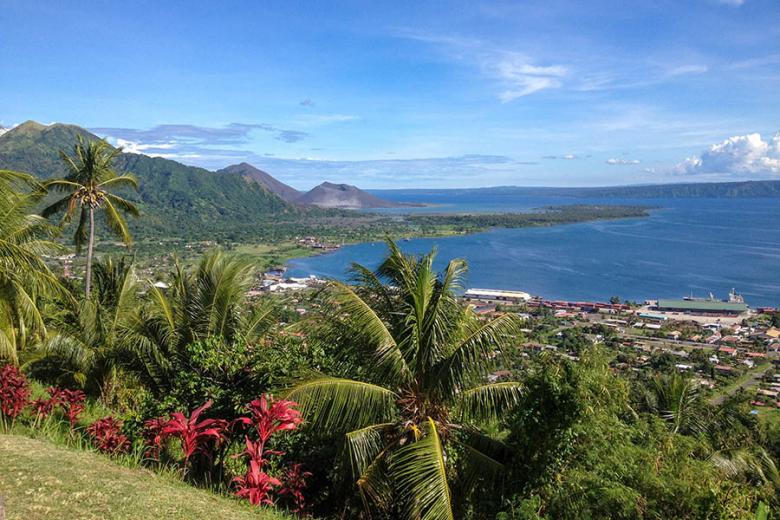
My first stop was the Walindi Resort in East New Britain, about an hour’s drive along the coast from Hoskins Airport, passing mainly palm oil plantations with the odd village. The family-run Walindi resort is a medley of bungalows and rooms, which has been open for 40 years.
We were treated to a relaxed welcome from the friendly local staff and instantly felt a real community spirit. There are no restaurants, shops, or commerce anywhere near the Walindi Resort, but the food served is very hearty, as the volcanic soil and the sea provide ample local produce.
Snorkelling in Kimbe Bay
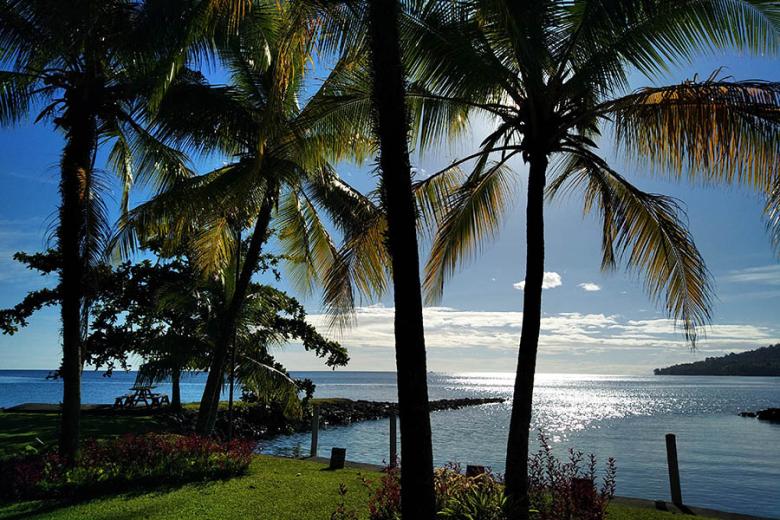
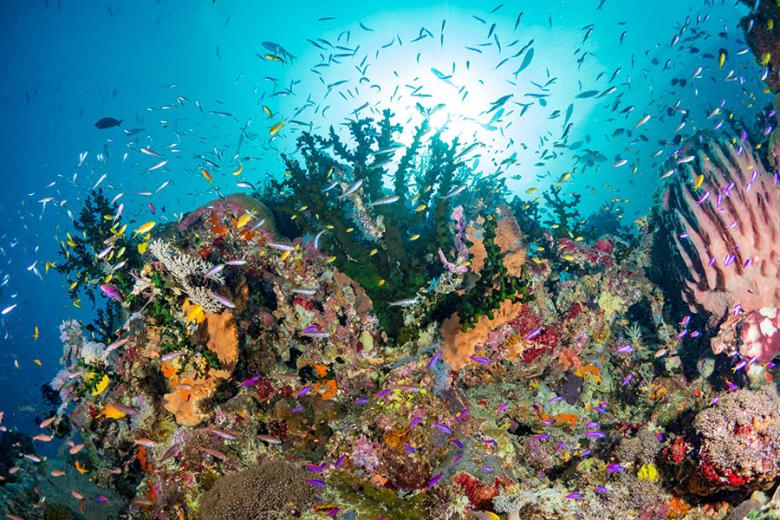
After such a long journey, I took the first opportunity to slip off the end of the dock and snorkel in Kimbe Bay. I was rewarded immediately with a river of silver fish passing right by me, with hundreds of them swirling into a mesmerising ball. The resort can arrange plenty of excursions, from diving and snorkelling day trips to visiting hot springs and climbing active volcanoes.
Visiting the local village
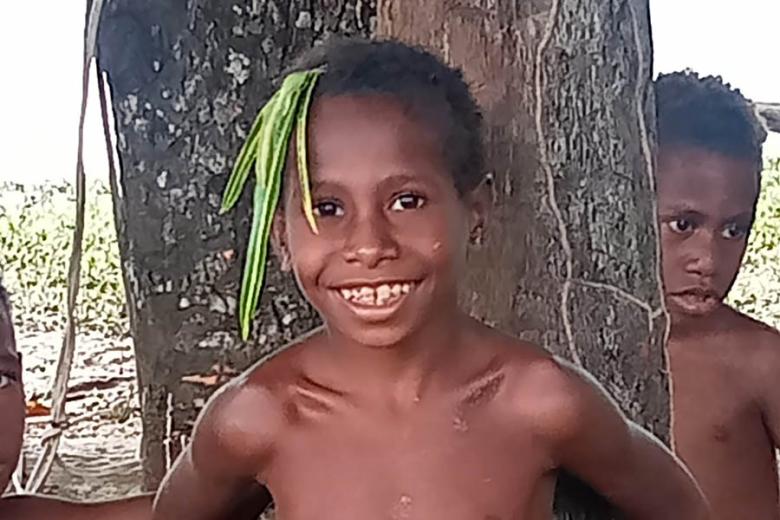
Walindi arranged several excellent tours for us. First, we visited a local village, gaining an insight into local life and giving us the chance to play football with the kids. We also visited the local primary school (if you go, please donate some books for their library) and saw the work of Mahonia Na Dari (Guardians of the Sea), which welcomes international scientists and helps conserve marine biodiversity in Kimbe Bay.
The journey to Sepik Rainforest
Next, we set off on a journey into the very remote and unspoilt Sepik region, a tropical lowland rainforest with an abundance of wildlife. To get there, we needed to take a couple of internal flights, back via Port Moresby to Mount Hagen. Here, we met up with a friendly Kiwi bush pilot, Sam, who took us on a short hop on his 10-seater PAC750.
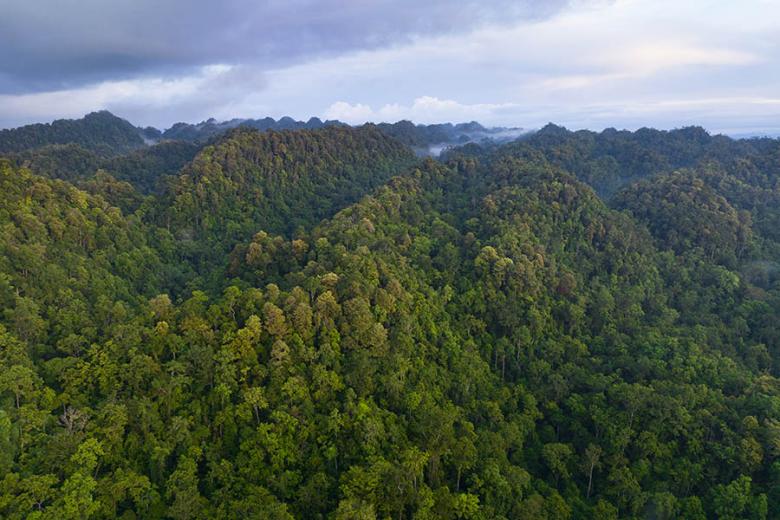
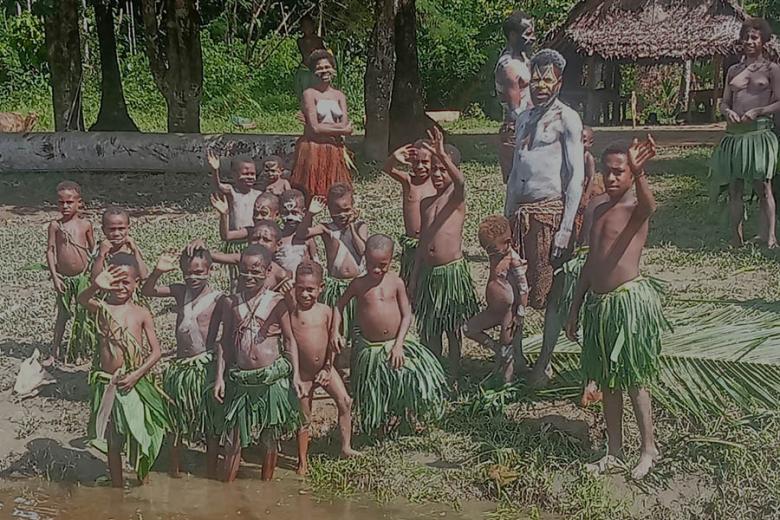
Landing at a grass airstrip next to the Karawari River, we were greeted by most of the local village kids. The only way to reach this region is by light aircraft or by a 2-day boat trip, so tourists are still something of a novelty. In fact, while we were visiting the villages in both the lowlands and highlands, the locals seemed equally interested in the cultural differences as we tourists.
Exploring the Sepik Rainforest
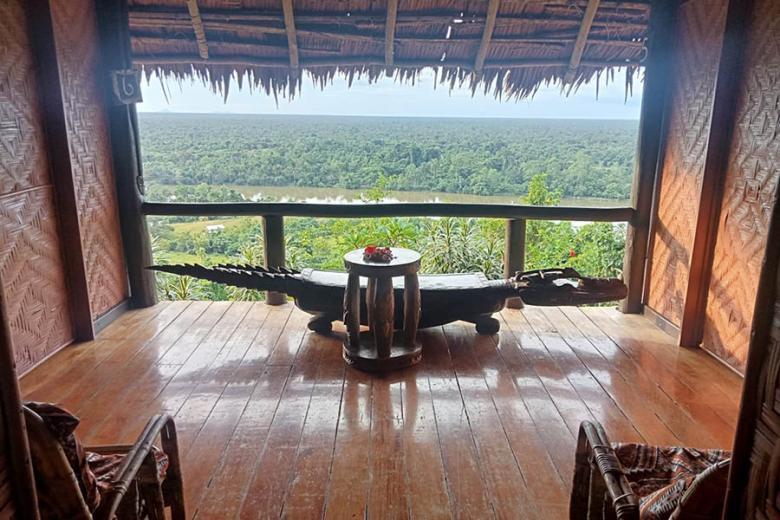
We were staying at the lovely Karawari Lodge, perched atop a low ridge, with stunning views overlooking the Karawari River. From the lodge, there are uninterrupted views across the pool-table flat Sepik rainforest basin stretching as far as the horizon. The dining room is built to resemble a traditional Spirit House, and its dark wood interior is crammed with slightly creepy Sepik artefacts that you would expect to find in a museum. It was certainly atmospheric!
Spotting Birds of Paradise
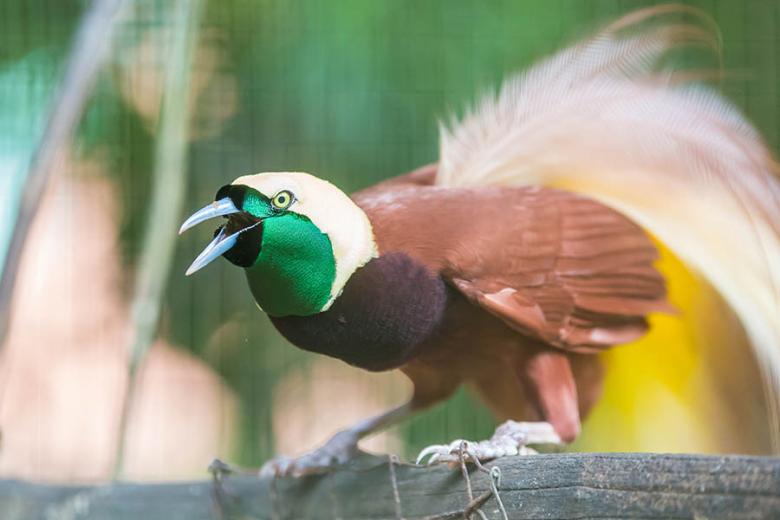
Bird watching in this remote area is incredible, and the dawn chorus is amazing. Over 200 species of birds have been spotted and recorded here, including Birds of Paradise. Home to over 730 bird species and nearly 40 different types of Bird of Paradise, Papua New Guinea is one of the world’s top destinations for birding. If you visit this area, be sure to bring your binoculars!
Visiting the local villages
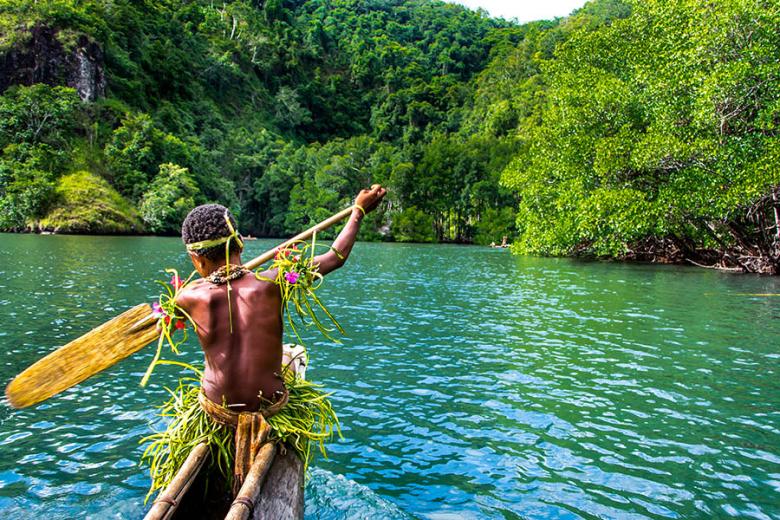
Boats are the only way to travel in the rainforest basin, so we used one to visit a few nearby settlements. At the first village, we were shown the thousand-year-old process of stripping the bark off sago palms and then using water to extract the starch, which can be used for pancakes and as a base for soup. Local fish, meat, or vegetables are added to the base to make a filling meal. It’s the epitome of subsistence living, and an ingenious way to use everything that the forest can offer.
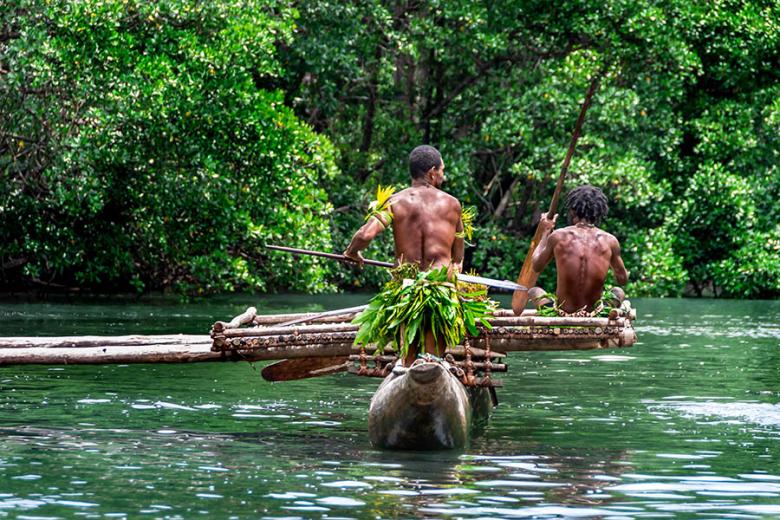
Traditional song and dance ceremonies
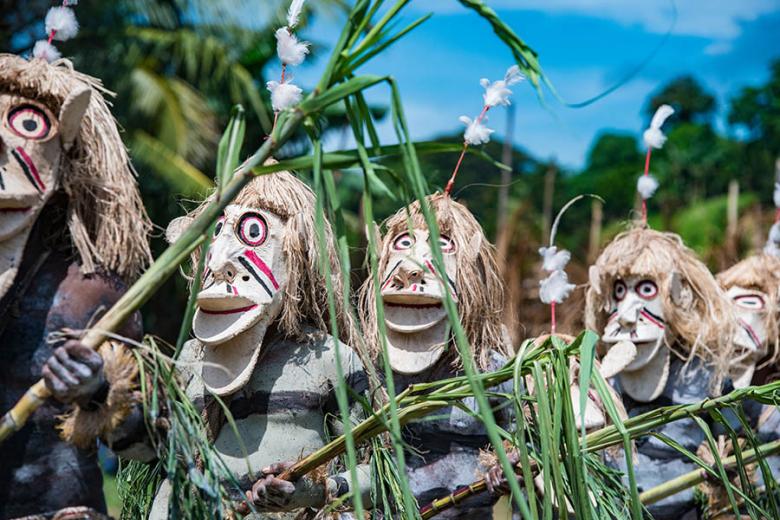
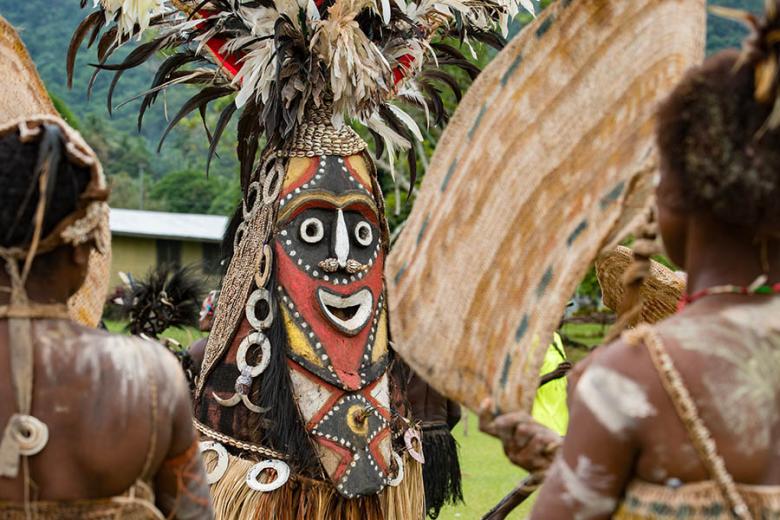
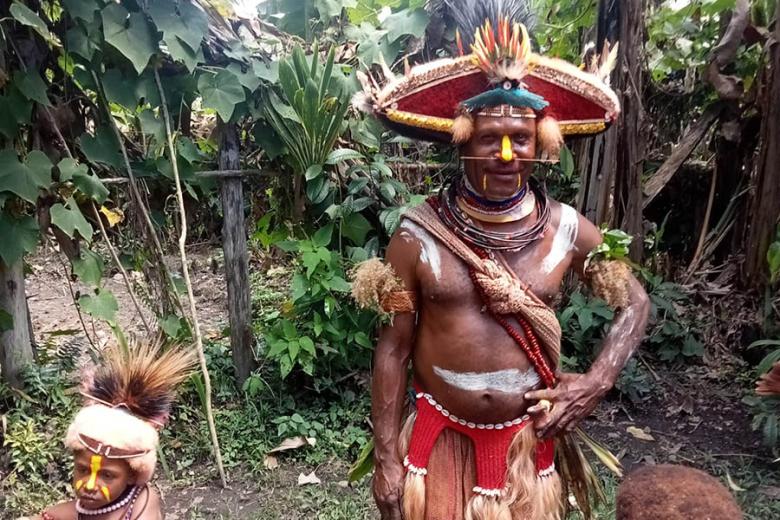
We were also treated to some song and dance, complete with time-honoured ceremonial costumes made of grasses, feathers, and shells. While the performance was obviously staged for tourists, it also seemed like the local people were proudly displaying a part of their culture.
Sing-Sings, where different tribes gather to share their unique traditions, still take place across Papua New Guinea. These beautiful events involve the whole village, with the young observing and learning so that they can continue the tradition for the next generation.
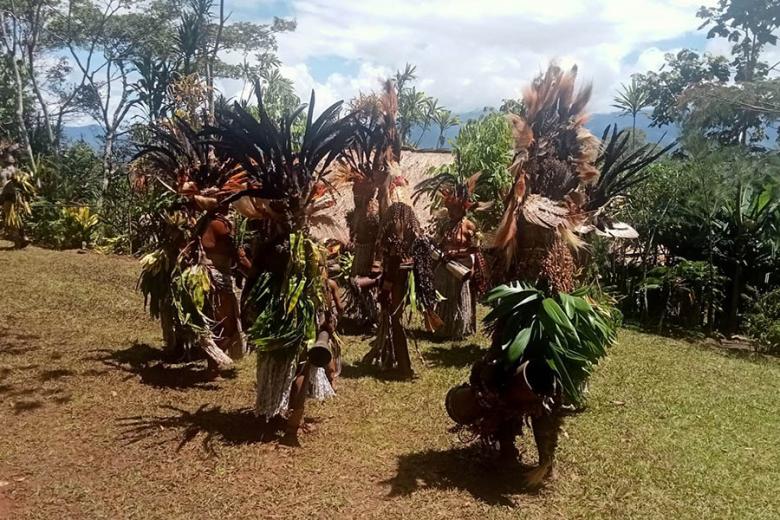
Low-intensity tourism at its best
At every stop, there was an opportunity to buy souvenirs, but we were not pressured in any way. The quality of the local handicrafts and woven bags is excellent. You can watch the items being made and be 100% assured that the money you spend goes directly to the maker.
Later in the day, we visited another village where one of the elders was constructing a new spirit house (Haus Tambaran) using the income from low-intensity tourism. This really brought home the idea that low-level tourism can help keep local traditions alive. I found it very inspiring.
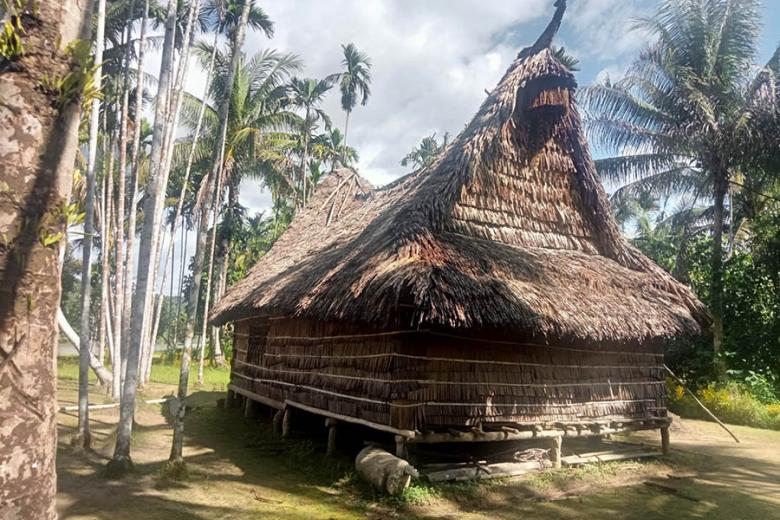
Learning about crocodile scarification
Across Papua New Guinea, you can see evidence that age-old traditions are still thriving. For example, you can see the crocodile scarification from a teenage initiation ritual across many local communities. The ritual is inspired by the crocodiles hidden in the river, which are considered symbols of strength and wisdom.
Using razors, the village elders create hundreds of scars on the chest, back, and buttocks of adolescent boys, symbolising their transition to strong, wise men. The scarification tradition passes through the generations, and teenagers here couldn’t be further from Western adolescents glued to their social media screens.
Staying at beautiful Rondon Ridge
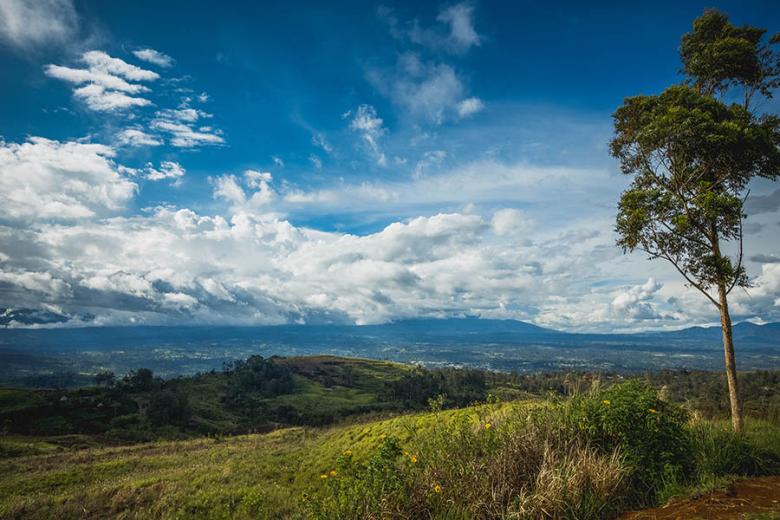
Soon, we headed back to the grass airstrip for the flight back up to Mount Hagen, Papua New Guinea’s third-largest city. Our hotel was the luxurious Rondon Ridge, perched at over two thousand metres above sea level, with panoramic views of the valley and across the western highlands. We immediately set off for some more bird watching and saw the aptly named Superb Bird of Paradise in the woods just above the hotel.
Learning from the local tribes
We then dived back into the world of roads and shops with a bus tour to some local villages. Roads are a relatively recent addition to Papua New Guinea, which partly explains why it’s home to over 800 distinct languages. The tribes have remained self-contained, with tribal boundaries observed, as transgressions can quickly lead to conflict. Nowadays, it’s striking how a very quick car journey can bring you into regions with totally different traditions.
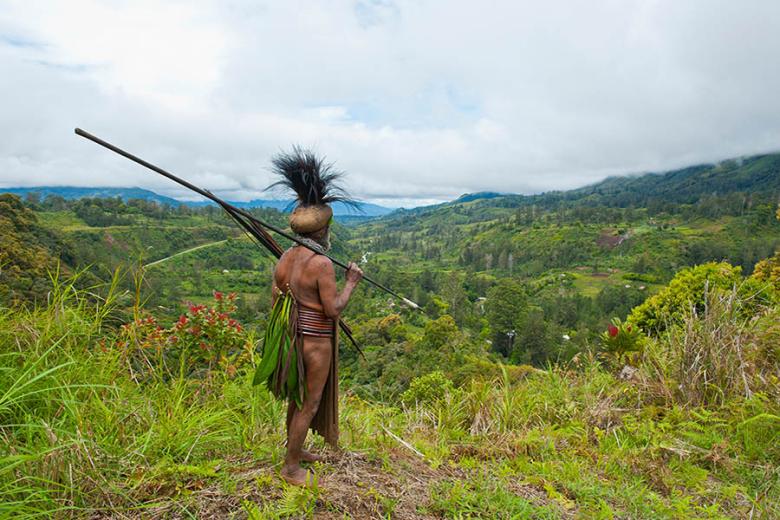
At each village, we were greeted by the Big Man, generally of small stature but fierce authority. Most notable was the head of the Melpa tribe, who gave us a full and courteous welcome and was keen to explain the unique ways of his village. The way his eyes fixed on me left me in no doubt that his tribe’s traditions would continue irrespective of any influence from the “modern” world.
My thoughts about Papua New Guinea
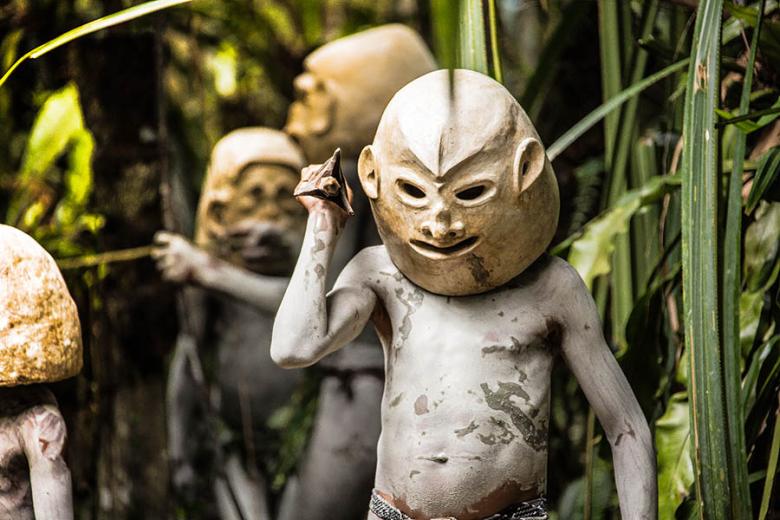
I found my visit to Papua New Guinea hugely inspiring. Despite the encroachment of the modern world, the arrival of tourists, and souvenir stalls in the villages, the old ways of Papua New Guinea will continue. Tribal gatherings, such as the world-famous Goroka, will continue. The people of Papua New Guinea will continue to celebrate their differences, and, for now, they will remain resilient to change.
So, if you want to see somewhere different, unfollow the crowd and go where few other travellers venture, visit Papua New Guinea. The untouched natural landscapes, amazing wildlife and tribal traditions make this destination simply extraordinary. This is a window into a life totally different to your own, and it is guaranteed to knock your socks off.
Ready to explore Papua New Guinea?
We’re experts at creating unique and personal trips for our customers. We can build you an unforgettable itinerary that includes Papua New Guinea and support you every step of the way. To get started, simply give us a call on 1273 320 580 or send us a quote request by email.
Why Rwanda travel is on the rise: gorillas are just the beginning

Jonny Goodall
Managing Director
at Travel Nation
Untouched beauty: my unforgettable Pakistan trip

David Taylor
Senior Travel Consultant
at Travel Nation
15 Reasons to visit Uganda
Bryony Dunn
Marketing Manager
at Travel Nation
About the author Sean Dunford
Operations Manager
Sean has been travelling for more than 20 years and has notched up an enviable list of countries visited on 6 continents, from the jungles of South America to the mountains of Nepal and the plains of Africa. Since starting a family he now enjoys introducing his kids to travel in some of the most incredible destinations like Java, Egypt, the Philippines or the beautiful Okinawa Islands in Japan. He is forever in search of a brilliant beach with Bwejuu in Zanzibar and Ilha Grande in Brazil high on his list of favourites. Sean joined Travel Nation in 2010 as a round the world specialist and is now one of our UK team leaders.