The perfect 2-week Ecuador and Galapagos tour
TripBlogs
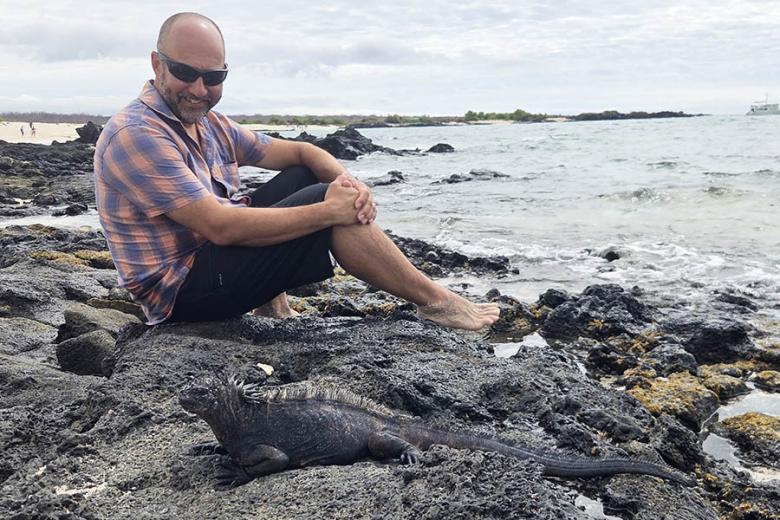
I’ve worked in travel for 30 years, and the Galapagos Islands have always been a slightly mythical destination that I’d hoped to visit one day. When the opportunity to visit mainland Ecuador and the Galapagos came up through work, I jumped at the chance!
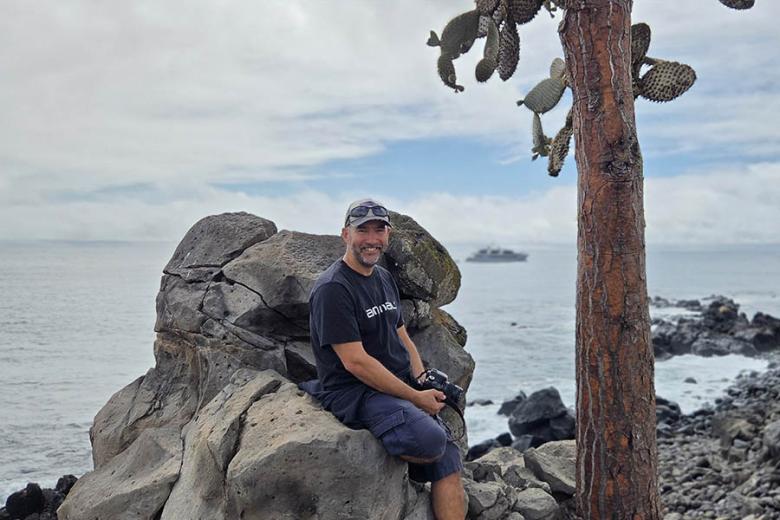
It was a trip of two distinct halves, with half of my time spent on the mainland of Ecuador and the other half in the Galapagos Islands. This two-centre split made a 2-week trip feel like a far longer adventure.
If you have a fortnight available and you’re eager to experience authentic South American culture and truly unparalleled wildlife encounters, this is the perfect destination for you.
Getting to Ecuador
There are currently no direct flights from the UK to Quito, so I flew from Heathrow, via Bogota, with Avianca Airlines. They are Star Alliance members, and the long-haul flight from London aboard a brand-new Dreamliner was very comfortable. The evening departure from London also meant that I went straight to sleep after take-off, and I didn’t seem to suffer from jet lag on arrival.

When to visit Ecuador and the Galapagos
Before my trip, I didn’t know that Ecuador gets its name from its location on the Equator, which passes through the centre of the country. Because of this, average temperatures are quite stable throughout the year.
The mainland and the Galapagos have two distinct seasons: one cool and dry (June to November), and the other warm and wet (December to May). The Amazon region of Eastern Ecuador is tropical (hot and wet) and stays at a very similar temperature all year.
The peak seasons for international travel to Ecuador run from mid-June to early September and from late December to early January, coinciding with North American and European school holidays.
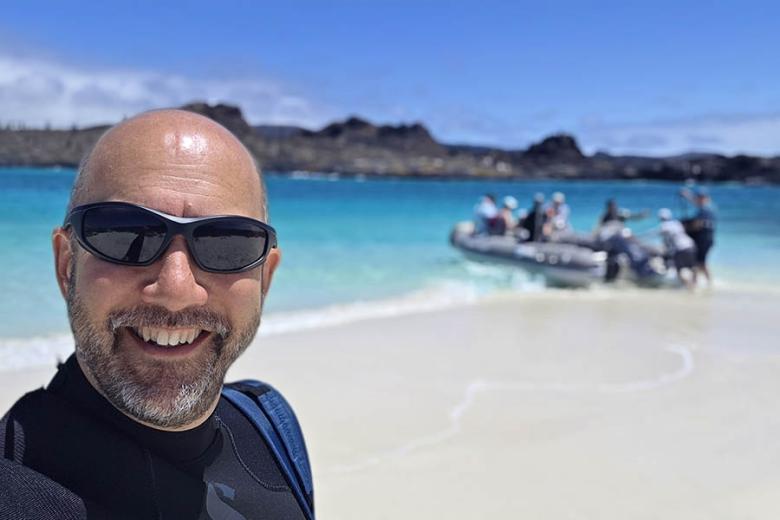
I visited Ecuador in late August and early September. The weather in Quito was perfect: warm and sunny during the day and cool enough in the evenings to need a hoodie. In the Galápagos, the weather was overcast early in the morning, then clear until mid-afternoon. We also had some clear sunny days, and almost no rain at all.
Exploring Quito
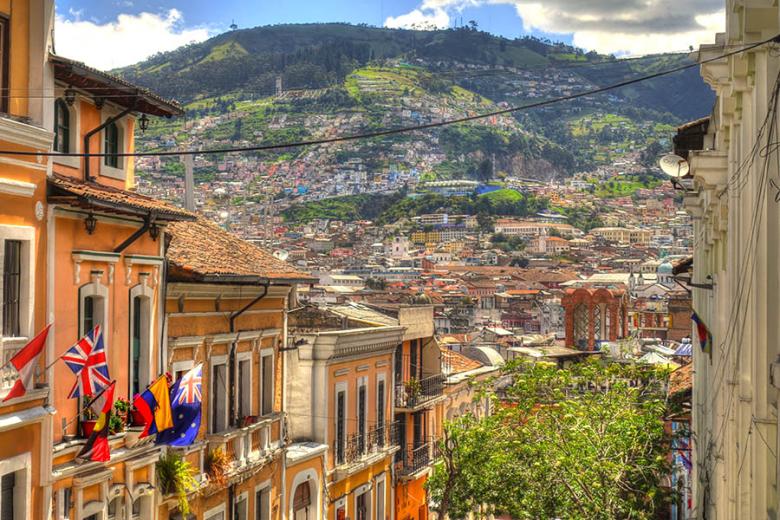
Ecuador’s capital, Quito, is set in a picturesque valley surrounded by volcanoes, and the charming old town feels like stepping into a living history book. Quito was one of the first cities in South America to be granted UNESCO status for its well-preserved architecture, which blends indigenous and Spanish influences. It was a great place to start the trip, and exactly what I’d hoped for from a South American city.
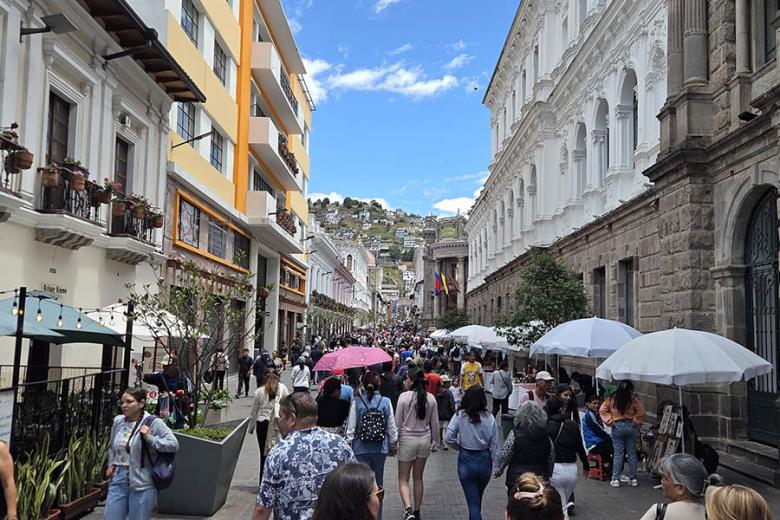
Quito’s main historical centre felt very safe, and I was able to walk around without any worry at all. The buildings are extremely well-preserved, and the streets surrounding the Plaza Grande are full of grand Spanish colonial architecture. It’s home to the Metropolitan Cathedral, the Presidential Palace, and the stunningly beautiful La Compañía de Jesús church, famous for its golden interiors.
I enjoyed lunch in the main square, observing local people go about their everyday business and soaking up the atmosphere. Local families were playing with their children, couples were sitting and enjoying the sunshine, and older groups of men were playing chess. It all felt very tranquil.

Staying at Hotel Casona de la Ronda
I stayed in the lovely Hotel Casona de la Ronda, a boutique hotel with a stunning central atrium and a traditional Ecuadorian feel. It has an enviable location on the popular cobbled strolling street of Calle La Ronda, one of Quito’s oldest streets. La Ronda is full of restaurants, bars and shops, and makes a great base in Quito because it’s just a short stroll to the historical centre.
Visiting the Virgin of El Panecillo
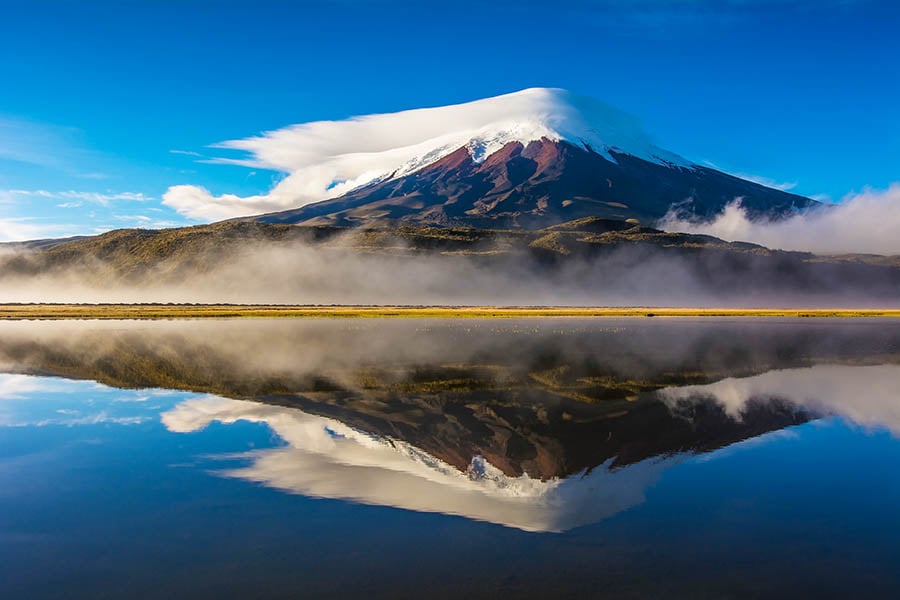
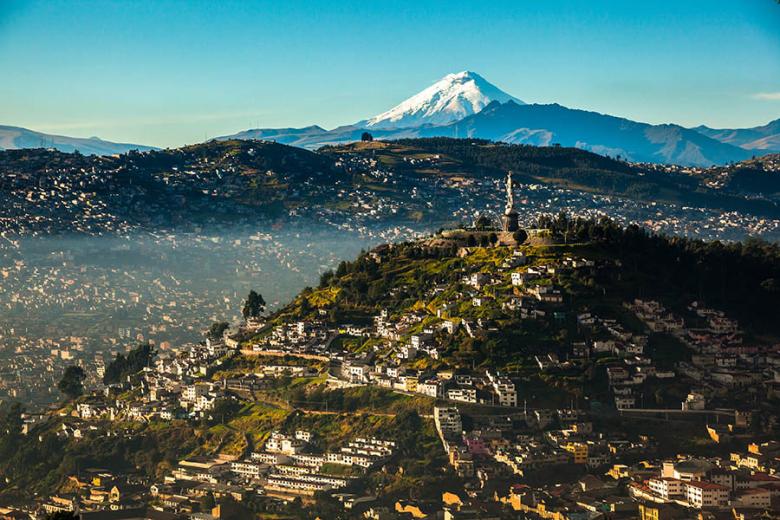
While in Quito, I also visited the 40-metre-tall Virgin of El Panecillo, a stunning sculpture of the Virgin Mary that sits atop El Panecillo Hill, overlooking Quito. Erected in 1975, it’s Quito’s version of Rio’s Christ the Redeemer, but it’s actually taller than its more famous Brazilian counterpart. You can easily visit the statue by taxi, and there are a few cafes near the summit. On a clear day, you’ll get great views of Cotopaxi volcano in the distance.
Standing on the Equator
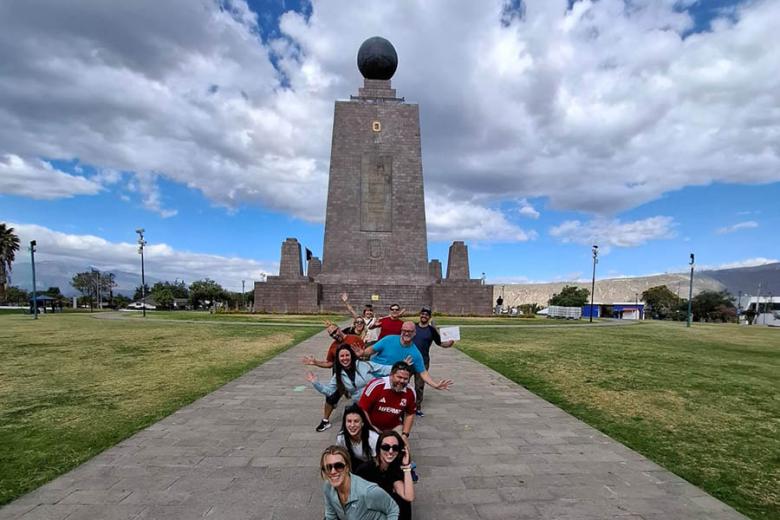
Just a 30-minute drive north of Quito, there are two sites dedicated to Ecuador’s unique position on the equator. There are two sites because the original one, defined in 1736 by French scientists, was proven to be out by 240 metres (but not bad for 1736 technology, I think!).
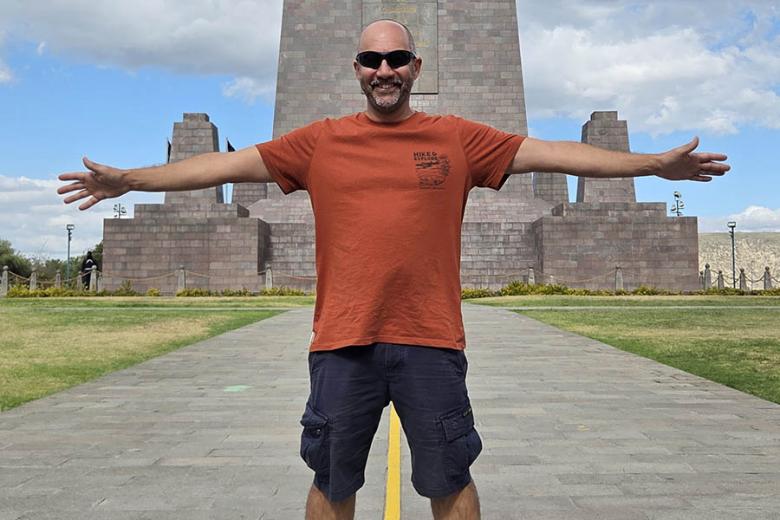
The original site is home to the large 30-metre monument, complete with big yellow lines so you can get your Instagram snap straddling two hemispheres. The second site is called the Intiñan Solar Museum. We were guided around here by one of the most flamboyant and memorable guides I’ve had in years, the marvellous Brandon.
Exploring the Intiñan Solar Museum
In the museum, there are various exhibits about Ecuador, documenting everything from the indigenous people of the Amazon and their intriguing head-shrinking history to the terrifying ‘Amazon Urine Fish’. Brandon explained everything about the Equator, and we enjoyed some demonstrations about its force. I’m not sure of their scientific legitimacy, but it was fun all the same.
The vibrant markets of Otavalo
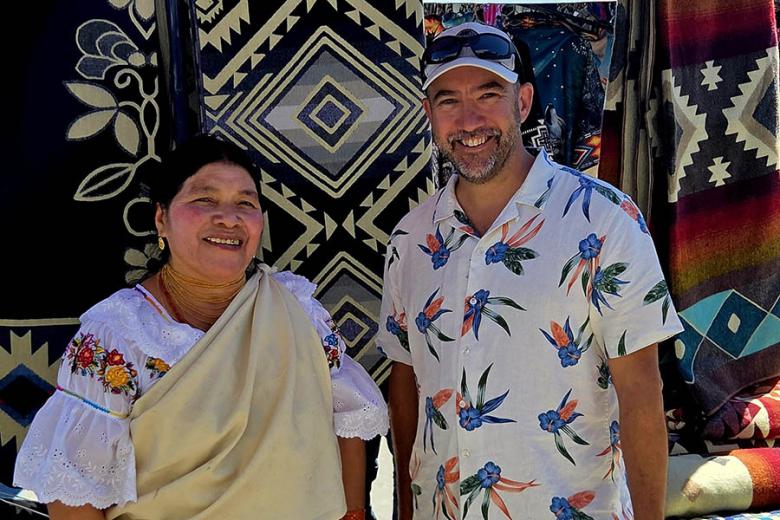
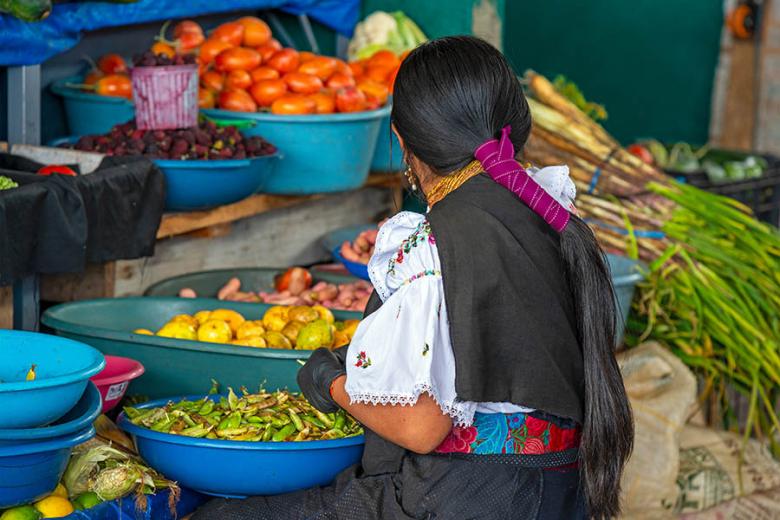
After a few nights in Quito, we drove 2 hours north to the vibrant town of Otavalo, famous for its large indigenous population and colourful markets. The main market is open every day, but the busiest days are Wednesday and Saturday, when it’s twice its normal size. It’s a sprawling labyrinth of market stalls where you can find everything from hand-woven textiles to bright jewellery, traditional cosmetics, and artworks.
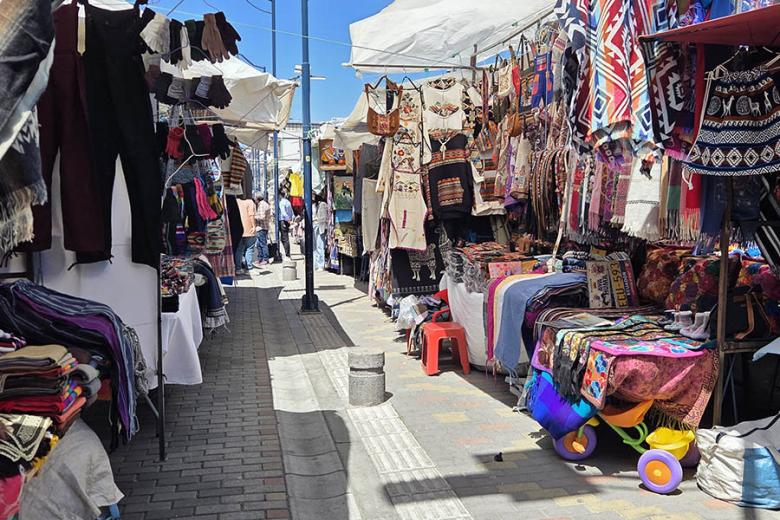
I spent several hours wandering through the market and wished this had been the last stop on our trip, as it was a great spot to buy souvenirs. I even had to buy an extra colourful local bag! I could happily have spent the whole day here, exploring the stalls and trying local street food.
Where to stay in Otavalo
I stayed at two different hotels in Otavalo, one in the centre of town and one on the outskirts, amidst beautiful rural scenery. Mixing these properties gave me two totally different experiences in Otavalo, and I highly recommend both of them.
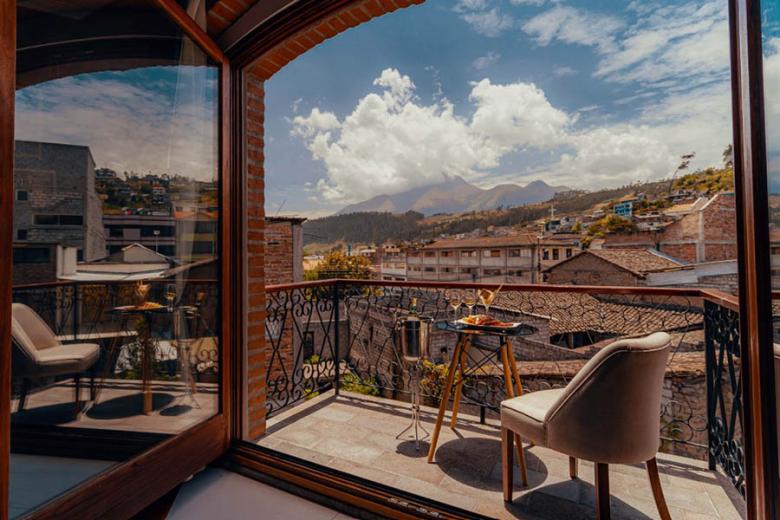
First, I stayed at Hotel Otavalo (Art Hotel), a gorgeous hotel right in the centre of town, full of interesting art and sculptures. I would say that it’s a high-end four-star property, and it’s certainly packed with character. The rooms are fairly small, but they’re finished to an extremely high standard.
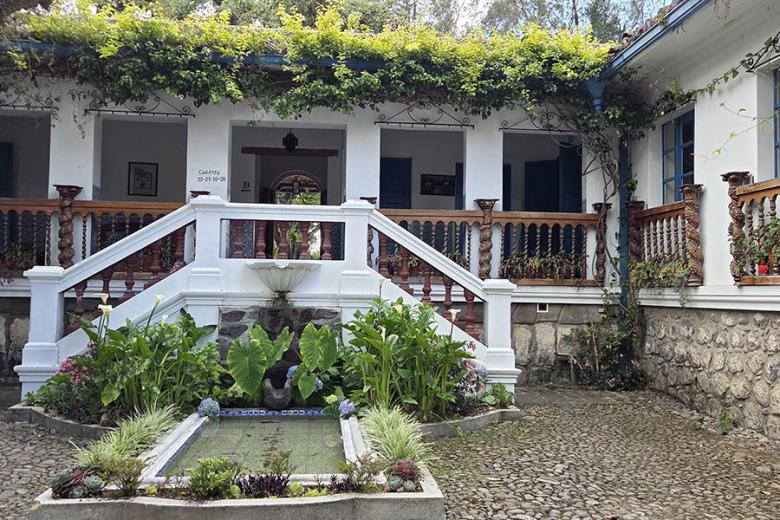
Next, I stayed at Hacienda Cusin, a stunning country house on the outskirts of Otavalo. Set on a beautiful colonial farm, with lovely gardens and rustic-feeling hacienda rooms. If you’re looking for a real taste of local hospitality and a semi-rural escape, it’s the perfect choice for you.
Visiting the Laguna de Cuicocha
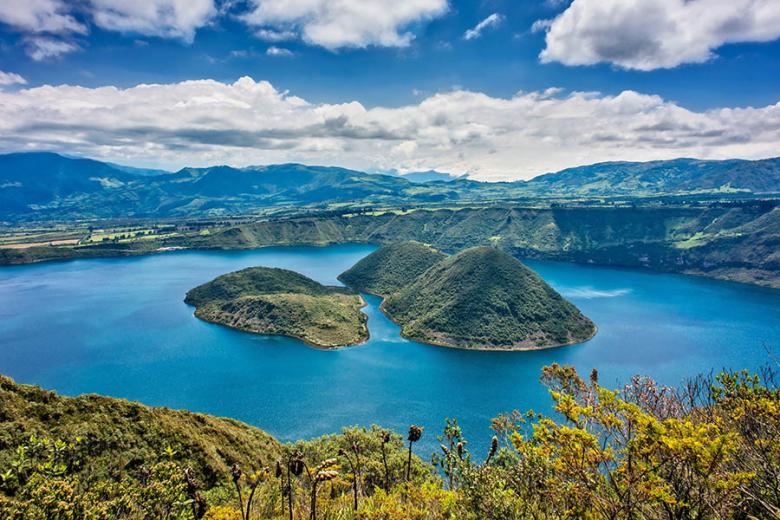
During our stay in Otavalo, we took a trip to Laguna de Cuicocha, a lake formed from ancient volcanic eruptions of Cotacachi Volcano. It’s a beautiful, peaceful place for a quick visit with fabulous views. However, if you have more time, there’s a 9-mile hiking trail around the volcano’s rim that overlooks the lake. It’s well marked and not too difficult, so it would take most people around 4 hours.
Jetting off to the Galapagos Islands
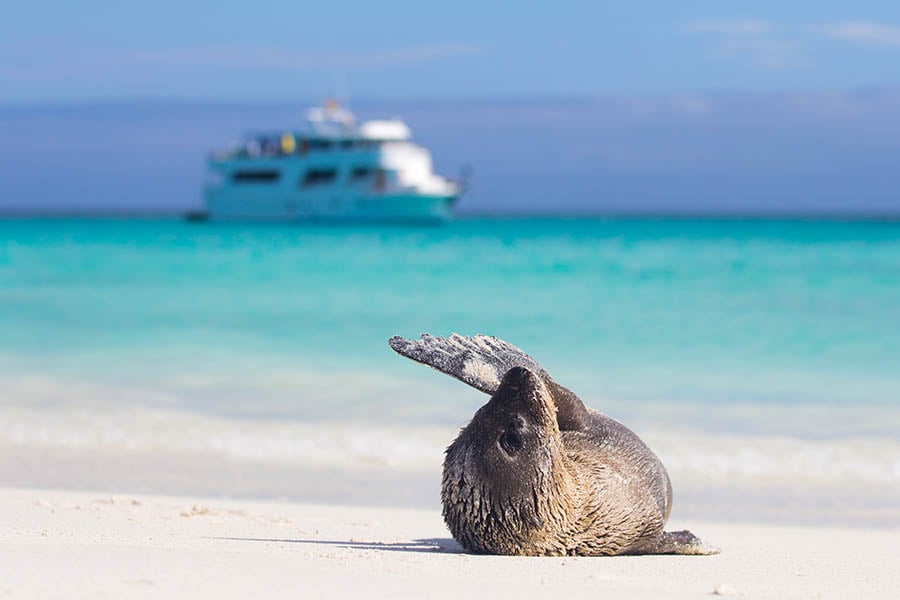
After a week exploring Ecuador’s mainland, I flew to the Galapagos Islands to begin a 5-day wildlife cruise aboard the Tribute luxury yacht. This had been on my bucket list for decades, and it blew my expectations out of the water. I couldn’t possibly fit all of my Ecuadorian experiences into one blog, so keep reading to find out all about my once-in-a-lifetime Galapagos cruise.
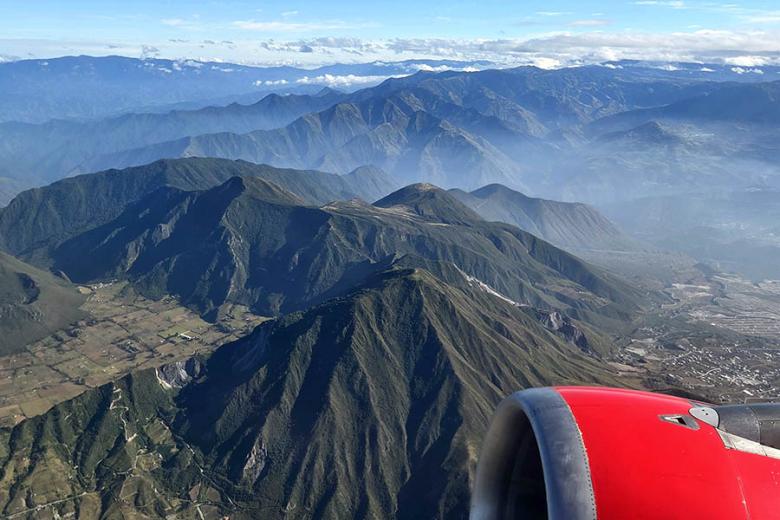
Ready to plan your own Ecuador adventure?
We’re experts at planning thoughtful tailor-made trips for our customers. We can build you an Ecuador and Galapagos adventure based on your own personal travel style, with plenty of local character and boutique properties along the way. To get started, give us a call on 1273 320 580 or send us an online quote request.


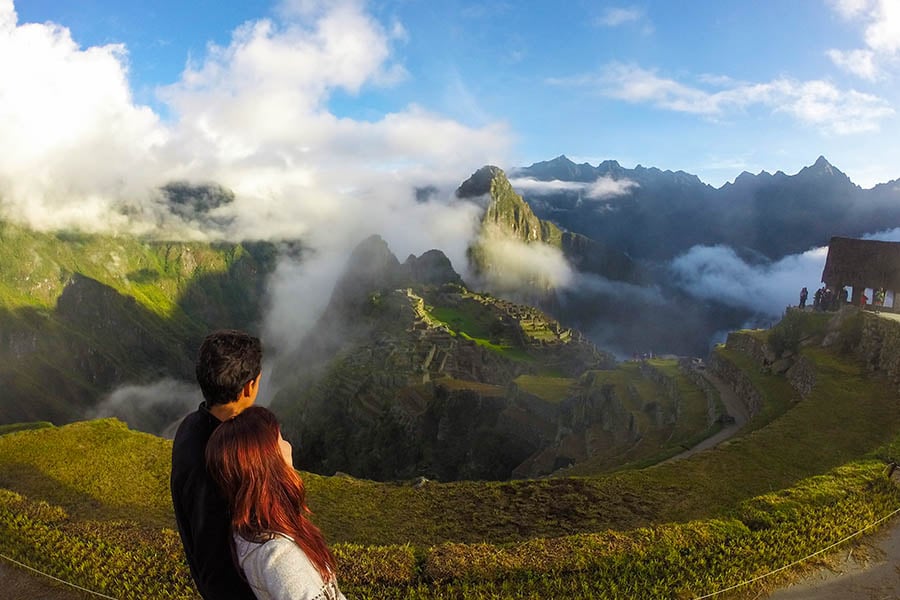
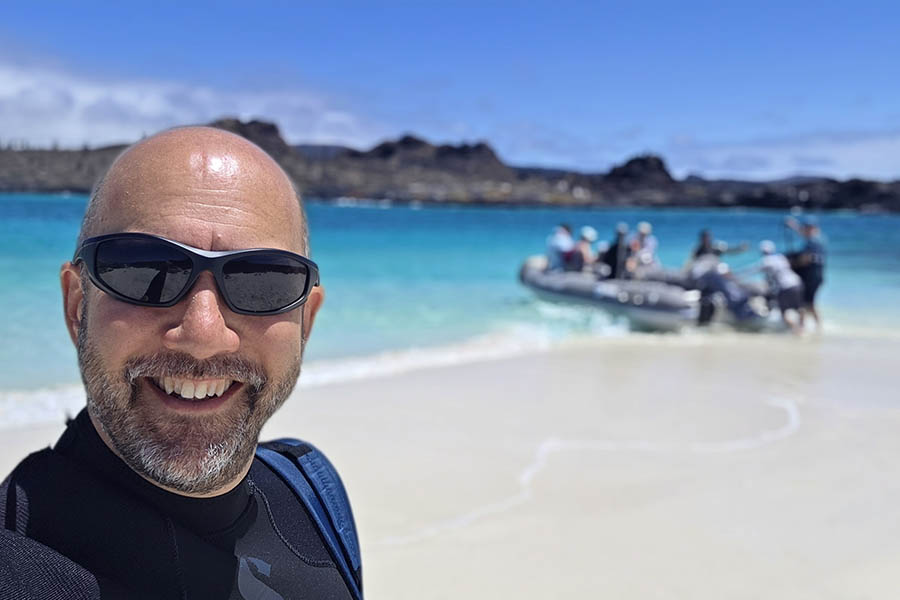
My luxury cruise in the Galapagos Islands
Jim Faulkner
Senior Travel Consultant
at Travel Nation
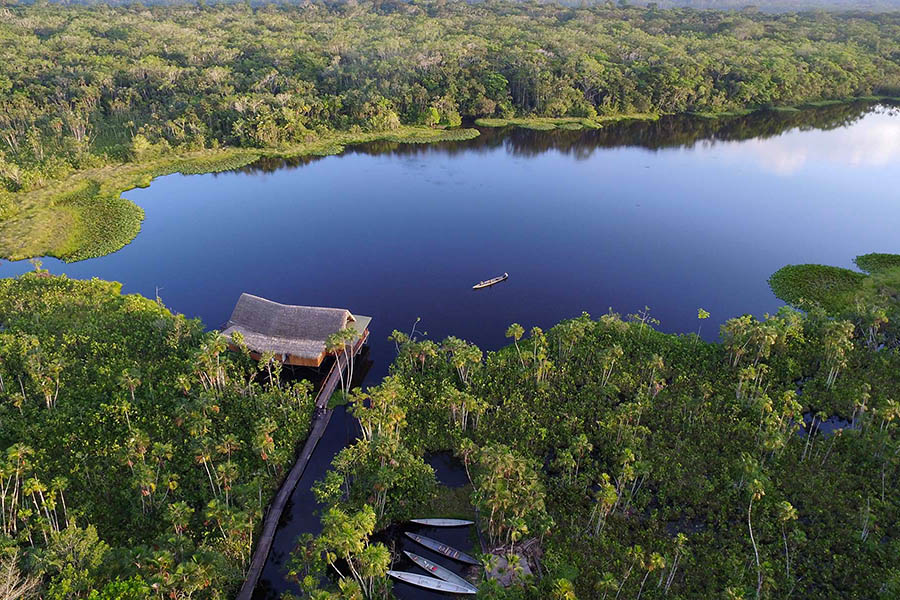
My Amazon experience at Sacha Lodge Ecuador

Milly Gill
Product Manager
at Travel Nation
5 South America honeymoons that will blow you away

Chris West
Senior Travel Consultant
at Travel Nation
About the author Jim Faulkner
Senior Travel Consultant
Jim started exploring at just 19 years old, and he has travelled around the world several times. However, since having a family, his travel plans have become a little shorter and more organised. Jim has worked in the travel industry for thirty years, and his knowledge is second to none. He is very familiar with the loveable chaos of family life and knows how difficult it can be to plan a trip, so he loves planning family-friendly holidays all over the world.